







Contents:
- The Quick Answer: How Many Carnation Varieties Are There?
- Carnations 101: Where Varieties Come From
- The Three Main Carnation Types
- What Makes a Carnation Variety Different?
- The Most Popular Carnation Cultivars in the U.S. Right Now
- Specialty and Novelty Carnations: Beyond the Classics
- A Few Striking Modern Carnations
- Why So Many Carnation Varieties?
- U.S. Market Focus: What’s Available and Affordable?
- Where to Buy Distinct Carnation Varieties:
- Which Varieties Are Rarest (and Why)?
- Pull-Quote
- FAQ: Carnation Varieties
- How many carnations are there in the world?
- What is the rarest carnation color?
- Are there scented carnation varieties?
- Can you grow different carnation varieties at home?
- Why are there so many carnation varieties in the U.S. market?
- Try Exploring a New Carnation This Year
How Many Varieties of Carnations Actually Exist?
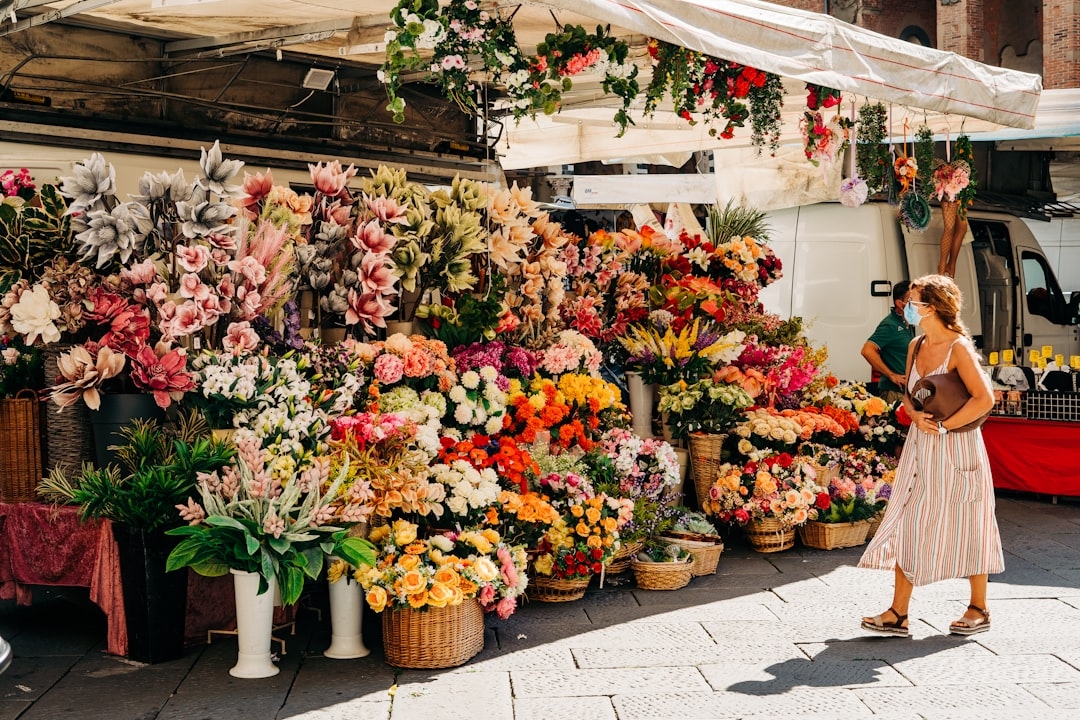
Picture walking into a flower shop on a spring morning in Portland, Oregon. The air smells sweet, and the display buckets are overflowing with ruffled blooms–reds, pinks, yellows, even deep purples. In the middle of it all, carnations catch your eye: some the size of a small apple, some blushing with subtle stripes, others bright as a summer cocktail. You might wonder, just how many kinds of carnations are there really? Is it dozens? Hundreds? The answer is more surprising than most casual flower fans expect.
The Quick Answer: How Many Carnation Varieties Are There?
Current horticultural records estimate over 300 distinct carnation varieties are actively cultivated, though botanists have documented more than 2,000 named cultivars in history. These figures include both the classic Dianthus caryophyllus (the “florist’s carnation”) and a sprawling collection of hybrids, miniatures, and novelty types grown worldwide, with about 150-200 commonly available in the U.S. floral market in 2026.
- Approximate number worldwide: 2,000+ named cultivars
- Actively grown today: 300 major varieties
- Commercially available in the U.S.: 150-200 types
Carnations 101: Where Varieties Come From
Florists call carnations “Dianthus,” after their Latin genus name, which means “divine flower.” These perennials are native to the Mediterranean but have been hand-selected, bred, and hybridized for centuries. The commercial carnation industry really took off in the late 19th century, with U.S. growers like John Simms of Pennsylvania pioneering large-scale production.
The Three Main Carnation Types
Experts divide carnations into three main groups:
- Standard (Large-flowered) Carnations: Big, single blooms per stem. The ones most people associate with proms or weddings.
- Spray (Mini) Carnations: Multiple, smaller blooms per stem. Popular for mixed bouquets and arrangements.
- Dwarf Carnations: Compact, bushy forms. Mostly used in gardens or pots, rarely in cut-flower trade.
“A single carnation type can have dozens of cultivars, each with unique color patterns and bloom forms,” says Lydia Trent, PhD, horticulturist at Colorado State University.
What Makes a Carnation Variety Different?
“Variety” in the carnation world doesn’t just mean color. Flower form, stem length, fragrance, vase life, even resistance to disease–all these factors define a named cultivar.
Key Features That Define a Variety:
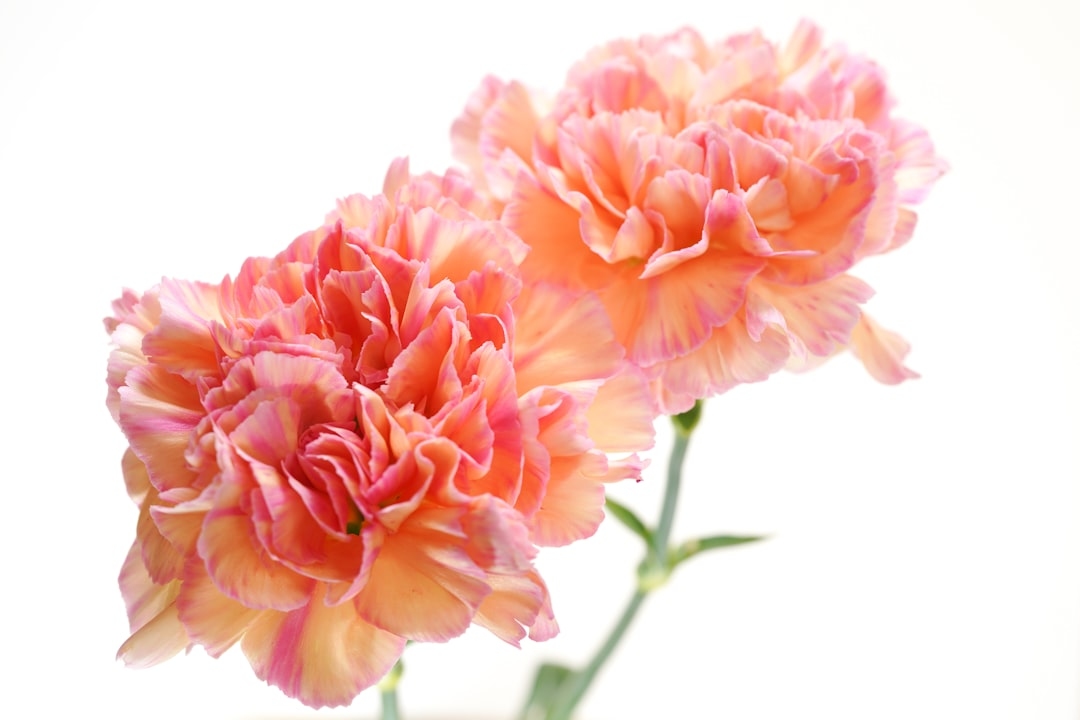
- Color: From classic red and white to bi-color, striping, even green and near-blue shades.
- Fragrance: Spicy-clove scents, or sometimes almost none at all.
- Petal Fringes: Some petals are deeply serrated, others lightly ruffled.
- Vase Life: Top varieties last up to three weeks in water–longer than most cut flowers.
- Size: Standard carnation blooms can be 2-3 inches wide; mini-carnations are about 1 inch.
- Disease Resistance: Modern hybrids are bred to resist Fusarium wilt and bacterial blight.
The Most Popular Carnation Cultivars in the U.S. Right Now
Great varieties have staying power, but the carnation market is always innovating. U.S. florists in 2026 report these as top sellers:
| Variety Name | Type | Color(s) | Key Feature |
|---|---|---|---|
| ‘Red Sim’ | Standard | Bright, true red | Classic long-stemmed |
| ‘White Sim’ | Standard | Crisp white | Popular for weddings |
| ‘Chabaud Orange’ | Dwarf | Coral-orange | Fragrant, garden use |
| ‘Purple Moon’ | Spray | Deep purple | Long vase life |
| ‘Romeo’ | Standard | Pale pink | Old-fashioned look |
| ‘Green Trick’ | Novelty (Spray) | Vibrant green pompom | Mossy texture |
“In the last five years, we’ve seen growing demand for unusual carnation colors like ‘Green Trick’ and deep burgundies for modern bouquets,” notes Angela Cortez, lead buyer at BloomsyBox, a major U.S. flower subscription service.
Specialty and Novelty Carnations: Beyond the Classics
Today’s carnation palette is wilder than ever. Biotechnology and traditional breeding have exploded the range since 2000. For example, Japanese breeders introduced the first genetically engineered blue-violet carnation in 2016, and by 2026, American florists can source blue, lime, and even black-tinted carnations for event work.
A Few Striking Modern Carnations
- ‘Moonshadow’: Genetically engineered for a cool blue hue; looks stunning in contemporary arrangements.
- ‘Candy Stripe’: Pink petals edged with white.
- ‘Black Cherry’: Very dark red, almost black.
- ‘Lime Green’: Shockingly bright green, popular for St. Patrick’s Day.
- ‘Pastel Rainbow’ series: Multiple pastel shades blended in a single bloom.
Why So Many Carnation Varieties?
This incredible range comes from:
- Long human cultivation: Continuous selection since the ancient Greeks.
- Easy hybridization: Carnations crossbreed readily, allowing for new colors and forms.
- Global demand: Major exporters like Colombia, Ecuador, and the Netherlands each develop signature lines for the U.S. market–adapting varieties for long transport or unique color trends.
“Carnations outlast most other cut flowers–up to three weeks. That reliability is why breeders keep innovating,” says Erica Mendez, owner of FreshPetals Florist in Chicago.
U.S. Market Focus: What’s Available and Affordable?
American consumers in 2026 can buy a greater carnation variety than ever before. ProFlowers, Teleflora, and local florists nationwide now offer year-round access to both standards and rare cultivars. Costs range from $1-$2.50 per stem for common colors, up to $4-$6 each for imported, specialty, or genetically engineered types.
Where to Buy Distinct Carnation Varieties:
- Local Florists: Often carry 10-30 color/cultivar options, especially in spring.
- Wholesale Clubs: Costco and Sam’s Club offer bulk bunches in up to 7 colors.
- Online Flower Retailers: UrbanStems, The Bouqs Co., and Farmgirl Flowers feature exclusive novelty strains, custom dyes, and seasonal collections.
- Specialty Growers: Mail-order nurseries like Select Seeds and American Meadows ship heirloom carnation plants for home gardens.
Which Varieties Are Rarest (and Why)?
Some carnation types are nearly impossible to find unless you’re a collector, breeder, or specialty florist.
- Heirloom Varieties: ‘Grenadin Scarlet’ and ‘Enfant de Nice’ are old French cultivars, mostly found in seed catalogs.
- Miniature/Alpine Carnations: True wild species or rock-garden selections, only at botanical collections.
- Limited-Release Imports: Every year, Dutch breeders like Hilverda De Boer debut new cultivars that may have a short U.S. run.
- Patent-Restricted Hybrids: Some genetically modified shades–especially blue/purple–are only licensed to select floral distributors.
Pull-Quote
“With hundreds of carnation varieties, you could send a different arrangement every week for three years and never repeat yourself.”
– Angela Cortez, BloomsyBox lead buyer
FAQ: Carnation Varieties
How many carnations are there in the world?
There are more than 2,000 named carnation cultivars globally, but around 300 are actively grown and recognized as distinct varieties in the flower trade today. In the U.S., about 150-200 carnation types are commonly stocked by florists.
What is the rarest carnation color?
Blue and true black carnations are the rarest, as these shades do not occur naturally. Blue carnation types (like ‘Moonshadow’) are genetically engineered and licensed to a handful of distributors worldwide.
Are there scented carnation varieties?
Yes. Many older garden types, such as ‘Chabaud’ and ‘Picotee’, are prized for their spicy, clove-like fragrance. Some modern florist carnations have little or no scent due to breeding for vase life and color intensity.
Can you grow different carnation varieties at home?
Absolutely. Many U.S. nurseries and online seed sellers offer dwarf and heirloom carnation varieties suited for gardens. Look for open-pollinated types if you want strong fragrance and traditional forms.
Why are there so many carnation varieties in the U.S. market?
Thanks to global breeding programs, rapid hybridization, and American demand for unique colors, florists in the U.S. can source an extraordinary range of carnation types from domestic and international growers nearly year-round.
Try Exploring a New Carnation This Year
Seasoned florists say the best way to appreciate the wealth of carnation varieties is to experiment beyond the basics. Next time you order flowers, ask for an unusual shade or variety–maybe ‘Green Trick’ for a mossy accent, or a blue-tinged ‘Moonshadow’ if you spot it. Or, plant a patch of old-fashioned clove-scented carnations in your own yard for homegrown bouquets. The options really are as many and varied as the number of carnations themselves–more than enough to keep any flower lover inspired.