








Contents:
- Why Flowers Became the Language of Love
- The Classic Romantic Flowers and What They Mean
- Red Roses — Passionate, Declared Love
- Peonies — Deep Affection and a Happy Marriage
- Tulips — Young Love and New Beginnings
- Gardenias — Secret Love and Pure Joy
- Lilies — Devotion and Commitment
- Ranunculus — Radiant Charm and Being Dazzled
- What the Pros Know
- When Romantic Symbolism Applies — and When It Doesn’t
- A Real-Life Example
- How to Choose the Right Romantic Flower
- Frequently Asked Questions
- What is the most romantic flower besides roses?
- Do different rose colors mean different things romantically?
- Are there flowers I should avoid giving someone I’m romantically interested in?
- How many flowers should a romantic bouquet include?
- When are peonies in season for romantic gifting?
- The Bottom Line
You’re standing in front of a flower display — or scrolling through an online shop at midnight — trying to figure out which blooms will actually say what you feel. A quick search tells you “red roses mean love,” but that feels too obvious, maybe even a little cliché. You want something that lands with meaning, not something that looks like a last-minute gas station purchase dressed up in cellophane. That tension between the classic and the personal is exactly what this guide addresses.
The short answer: red roses are the universally recognized symbol of romantic love, but they are far from the only option. Peonies, tulips, gardenias, and several other flowers carry deep romantic associations — and depending on the story you want to tell, one of those might speak louder than a rose ever could.
Why Flowers Became the Language of Love
Flowers have carried emotional meaning across virtually every culture in recorded history. The ancient Greeks associated roses with Aphrodite, goddess of love. In Victorian England, entire conversations were conducted through floriography — the coded language of flowers — because openly declaring affection was considered improper. A suitor who sent red roses was declaring passionate love; one who sent yellow ones was (accidentally or deliberately) signaling jealousy or friendship, not romance.
That tradition never really died. It evolved. Today, when someone receives a carefully chosen bouquet, the flowers still communicate intent — warmth, desire, commitment, admiration — in a way that a text message simply cannot replicate. There’s something about a physical bloom, fragrant and fleeting, that signals effort and emotion at the same time.
The Classic Romantic Flowers and What They Mean
Red Roses — Passionate, Declared Love
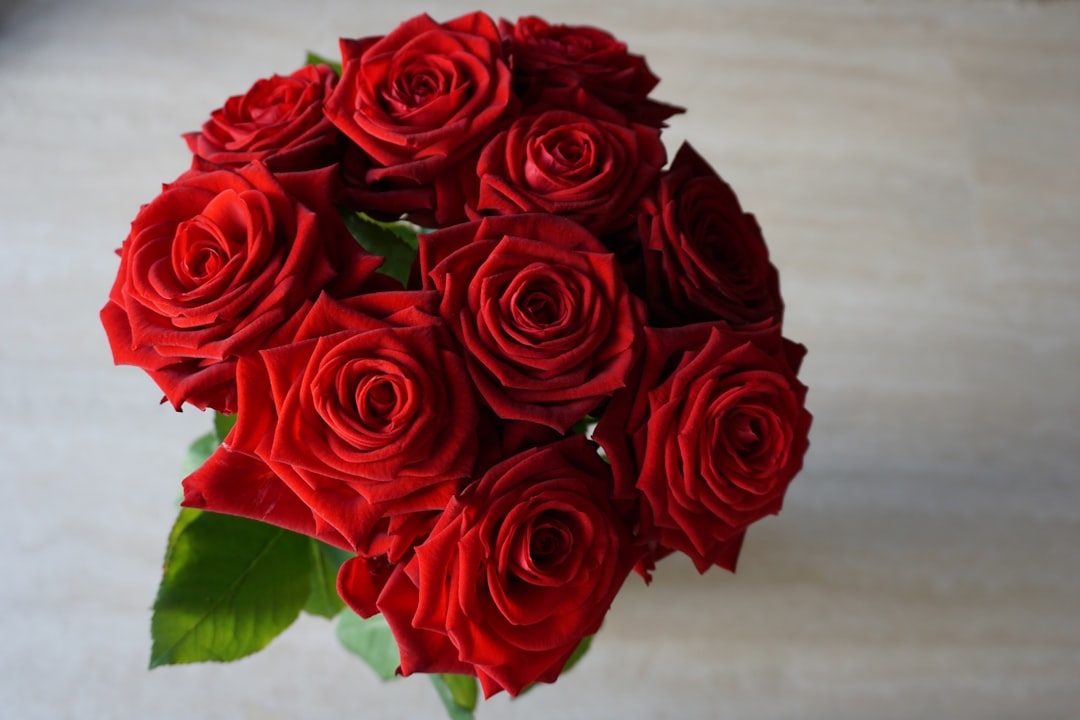
Red roses are the gold standard for a reason. The color red triggers physiological arousal across cultures, and the rose itself has centuries of romantic symbolism baked in. A dozen red roses says “I love you” without requiring a single word. If you’re marking a milestone — Valentine’s Day, an anniversary, a first serious declaration — red roses remain the clearest, most universally understood choice. For a curated selection delivered fresh, romantic flower delivery makes it simple to get them to the right person at the right moment.
Peonies — Deep Affection and a Happy Marriage
In Chinese culture, the peony is called the “king of flowers” and has been a symbol of love, good fortune, and romance for over a thousand years. In Western floriography, peonies represent bashfulness, romance, and a prosperous union. Their lush, layered petals feel inherently luxurious — more intimate than roses, somehow, and less expected. A bouquet of blush or coral peonies carries enormous emotional weight while still feeling personal rather than generic.
Tulips — Young Love and New Beginnings
Red tulips specifically mean “believe me” in the Victorian flower language — a declaration of true love. More broadly, tulips signal the arrival of something new and hopeful. They’re a strong choice early in a relationship, for a first date, or when you want to express affection without the full formal weight of roses. Pink tulips lean toward caring and affection; purple tulips suggest royalty and admiration.
Gardenias — Secret Love and Pure Joy
Gardenias are for the person who finds roses too common. Their ivory blossoms and heavy, almost intoxicating fragrance signal secret admiration and pure, undeclared love. Giving gardenias says, in effect, “I find you extraordinary.” They’re a sophisticated choice for someone with refined taste — or for a relationship that feels private and precious rather than public and announced.
Lilies — Devotion and Commitment
White stargazer lilies and Casablanca lilies appear constantly in wedding arrangements for good reason: they symbolize purity, devotion, and the transition into a committed partnership. Stargazer lilies in deep pink suggest ambition and prosperity alongside love. Lilies work beautifully when you want to communicate something lasting, not just something passionate.
Ranunculus — Radiant Charm and Being Dazzled
Ranunculus has become a modern favorite in romantic bouquets, and its traditional meaning fits perfectly: “I am dazzled by your charms.” These layered, rose-like blooms in shades of blush, peach, and deep red say that the person receiving them has left a genuine impression — not just a physical one, but a lasting one.
What the Pros Know
Sidebar tip from experienced florists: Color matters as much as flower species. A white rose signals reverence and new beginnings — not passion. A yellow rose, despite being a rose, still reads as friendship in most contexts. When you’re ordering for a romantic occasion, anchor your palette in reds, deep pinks, blush, and burgundy. Those hues signal love and desire regardless of which specific flower carries them. When in doubt, ask your florist: “Does this read romantic?” A good florist will tell you the truth.

When Romantic Symbolism Applies — and When It Doesn’t
Flower symbolism is strongest when the recipient shares your cultural framework. In the United States, red roses universally read as romantic. But in some Eastern European and Middle Eastern traditions, the number of flowers matters more than the species — even numbers are for funerals, odd numbers for celebrations. If you’re giving flowers across cultural lines, it’s worth a quick check.
Flower choice also depends heavily on the relationship stage. Early-stage affection calls for lighter signals — tulips, ranunculus, a single gardenia — rather than the full dramatic weight of two dozen red roses, which can feel overwhelming before a relationship has a shared history to support it.
For family occasions, the romantic symbolism of certain flowers should be set aside entirely. A Father’s Day arrangement, for instance, is better built around bold sunflowers, tropical blooms, or sturdy greenery. https://mypeonika.com/collections/father-s-day-flowers offers arrangements designed specifically for that kind of celebration — warm and celebratory rather than romantic.
A Real-Life Example
A friend of mine spent weeks agonizing over what to bring to a dinner where he planned to tell someone he loved her for the first time. He almost defaulted to roses, then second-guessed himself — “too cliché,” he said. He ended up with a mixed bouquet of blush peonies, white ranunculus, and two deep red garden roses as accents. She kept them for nearly two weeks, pressing one of the ranunculus petals in a book. The flowers worked not because they were expensive or elaborate, but because they were clearly considered. That’s the thing about romantic blooms: the thought behind the choice comes through.
How to Choose the Right Romantic Flower
- For a first declaration of love: Red roses or a mixed bouquet anchored in deep red and blush
- For an anniversary: Peonies (if in season), roses, or lilies — blooms that signal lasting commitment
- For early courtship: Tulips, ranunculus, or a single gardenia for understated elegance
- For a proposal or wedding gesture: White and blush arrangements with lilies, gardenias, or garden roses
- For long-distance love: Choose flowers with long vase life — roses and lilies hold up better than peonies in transit
Everything My Peonika offers for romantic occasions is available through https://mypeonika.com/, with arrangements designed to land with intention, not just decoration.
Frequently Asked Questions
What is the most romantic flower besides roses?
Peonies are widely considered the most romantic alternative to roses. Their full, layered blooms and association with happy marriages and deep affection make them a meaningful choice for any romantic gesture.
Do different rose colors mean different things romantically?
Yes. Red roses signal passionate love; deep pink suggests gratitude and admiration; light pink conveys gentleness and new romance; white roses mean purity or new beginnings — not passion. For a clearly romantic message, stay with red, deep pink, or burgundy.
Are there flowers I should avoid giving someone I’m romantically interested in?
Yellow roses traditionally signal friendship or jealousy rather than romantic love, which can send the wrong message. Chrysanthemums, while beautiful, are associated with grief or mourning in several cultures. When the intent is romantic, it’s safer to stick with flowers whose symbolism clearly aligns with affection.
How many flowers should a romantic bouquet include?
In American culture, bouquet size matters more than an exact count. A dozen roses is the classic romantic standard. For mixed bouquets, 12 to 18 stems feels generous without being overwhelming. Avoid even numbers if the recipient has Eastern European roots, where even-numbered bouquets are reserved for funerals.
When are peonies in season for romantic gifting?
Peonies bloom naturally from late April through June in the United States, making them a beautiful spring and early summer choice. Outside of that window, premium florists and specialty delivery services can source peonies year-round, though pricing is higher off-season.
The Bottom Line
Choosing flowers for someone you love is one of the few gestures that is simultaneously ancient and immediate — people have been doing it for thousands of years, and it still works. Red roses remain the strongest universal signal of romantic love, but peonies, tulips, gardenias, lilies, and ranunculus all carry genuine romantic weight when chosen with intention. The best bouquet isn’t necessarily the most expensive or the most traditional — it’s the one that tells your specific story in a way the person receiving it will actually feel.