





Contents:
- Quick Picks: The Best Non-stain Flowers for White Weddings
- Why Do Some Flowers Stain–And Others Don’t?
- The Science Behind Staining Flowers
- American Context
- Flower Selection Tips for Pristine White Installs
- Beyond Pollen: What Else to Watch For
- Cleaning and Prep
- Top 7 Non-stain Flowers for White Wedding Installations
- Roses (and Spray Roses)
- Hydrangeas
- Phalaenopsis Orchids
- Calla Lilies
- Lisianthus
- Ranunculus
- Tulips (with Stamen Removed)
- Best Practices for Stain-Free Wedding Installs
- Placement and Handling
- Time Considerations
- Cleaning Up Mishaps
- What to Avoid: Risky Flowers for White Installations
- Real Wedding Examples: US Florists’ Favorite Combos
- FAQ: Non-stain Flowers for White Wedding Installations
- What are the best flowers that won’t stain a white wedding dress?
- Can I use lilies in a white wedding without staining?
- How do florists remove pollen from flowers before using them in installations?
- Are dyed flowers safe for white wedding backdrops?
- Do non-staining flowers cost more?
- Looking Ahead: The New Standard for Mess-Free Wedding Florals
Non-stain Flowers for White Wedding Installations
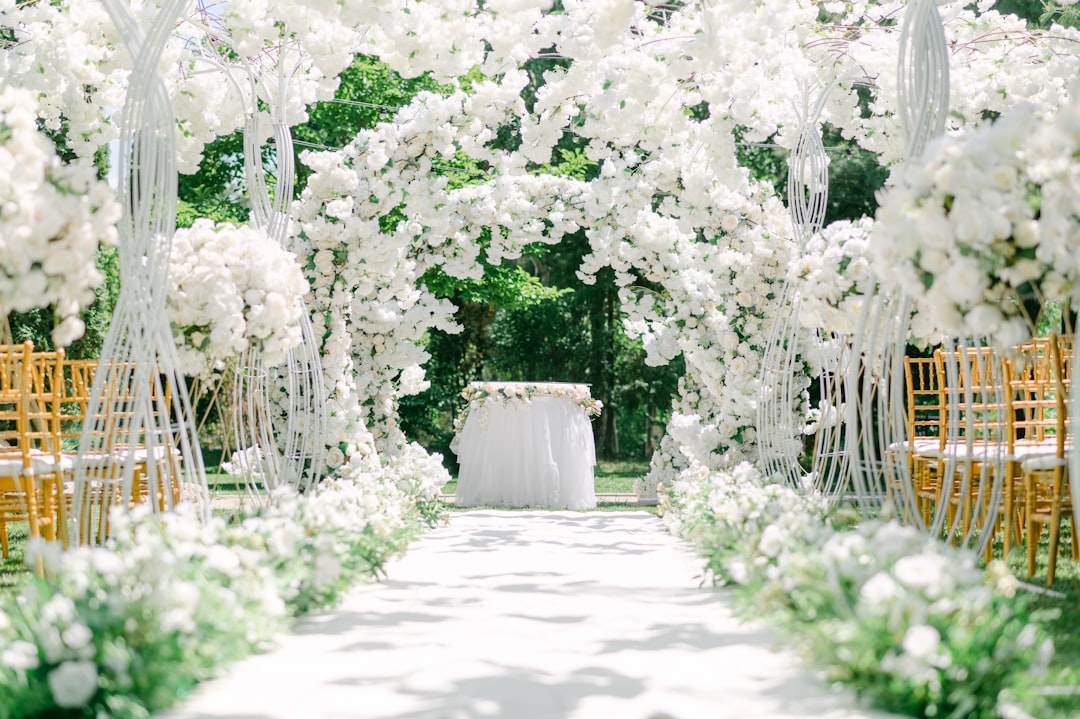
One errant pollen stain can turn a flawless white wedding arch into a headache for both planner and couple. A single nudge from a guest or a gusty breeze is all it takes for yellow dust to ruin the pristine look–and sometimes, even professional cleaning can’t fully erase the memory. For American florists and event designers, picking stain-resistant or non-staining flowers for white wedding backdrops is as much about peace of mind as it is about aesthetics.
Designers in New York, Dallas, and LA share the same worry: How can you guarantee a picture-perfect, drama-free ceremony space without risking ugly marks on expensive drapes, tablecloths, or the train of the bride’s Vera Wang gown?
Quick Picks: The Best Non-stain Flowers for White Weddings
Looking for a fast reference? Here are the top non-staining flowers that American florists trust most for white wedding installations in 2026:
- Roses (without exposed stamens)
- Hydrangeas
- Phalaenopsis (moth) orchids
- Calla lilies
- Lisianthus
- Ranunculus
- Spray roses
- Tulips (carefully cleaned/pollen removed)
These blooms release little to no pollen, have minimal color bleed, and won’t leave marks on white fabric or dresses–making them ideal for chuppahs, arbors, aisle arrangements, and reception backdrops.
Why Do Some Flowers Stain–And Others Don’t?
The Science Behind Staining Flowers
A flower’s staining potential comes from two culprits: pollen and petal pigments. Pollen particles from lilies, alstroemeria, and sunflowers cling to fabrics like static-charged confetti, and colored petals (especially reds, purples, and deep yellows) can bleed through condensation or wilt, leaving faint streaks.
According to Dr. Kara Edmunds, horticulturist and botanical consultant, “Stamens with exposed, powdery pollen–think Oriental lilies–are the worst offenders. In contrast, double-petaled varieties or flowers bred for pollenlessness are safe choices.”
American Context
In the US, an average wedding backdrop installation can cost $800-$2,500, depending on location (The Knot, 2026). With higher budgets come higher expectations–there’s no room for cleaning mishaps just before the photos. At least 45% of US wedding florists (Florist Trends Report, 2026) say they’ve seen clients specifically ask for “stain-free” installations in the past 12 months.
Flower Selection Tips for Pristine White Installs
Beyond Pollen: What Else to Watch For
Not all non-staining flowers are created equal. Here’s how to choose, according to Brooklyn-based floral designer Mia Tran (AIFD):
- Pollen placement: Choose flowers with hidden or absent stamens.
- Dye stability: Watch for dyed or tinted blooms, which often “bleed” when hydrated for hours or in humid summer venues.
- Petal firmness: Sturdy petals (e.g., orchids, callas) are less likely to bruise or ooze pigment.
Cleaning and Prep
- Remove stamens: For certain flowers (like lilies or tulips), carefully snip out stamens with fine scissors before arranging.
- Test hydration: Soak a test bloom for six hours. If the water colors, the petal may bleed onto fabric.
- Avoid off-brand dyes: Stick to reputable wholesale suppliers (e.g., Mayesh, FiftyFlowers) when ordering.
Table: Common Flowers and Staining Risk
| Flower Type | Staining Risk | Pollen Issues | Recommended for White Installations? |
|---|---|---|---|
| Oriental Lilies | High | Yes | No |
| Roses | Low | Rarely | Yes |
| Hydrangea | Low | No | Yes |
| Phalaenopsis Orchid | Very Low | No | Yes |
| Carnation | Low (unless dyed) | No | Yes |
| Alstroemeria | Medium | Yes | No |
| Calla Lily | Very Low | No | Yes |
| Peony | Medium | Some | Yes, with care |
| Tulip | Low (if cleaned) | Yes | Yes, with stamen removal |
Top 7 Non-stain Flowers for White Wedding Installations
1. Roses (and Spray Roses)
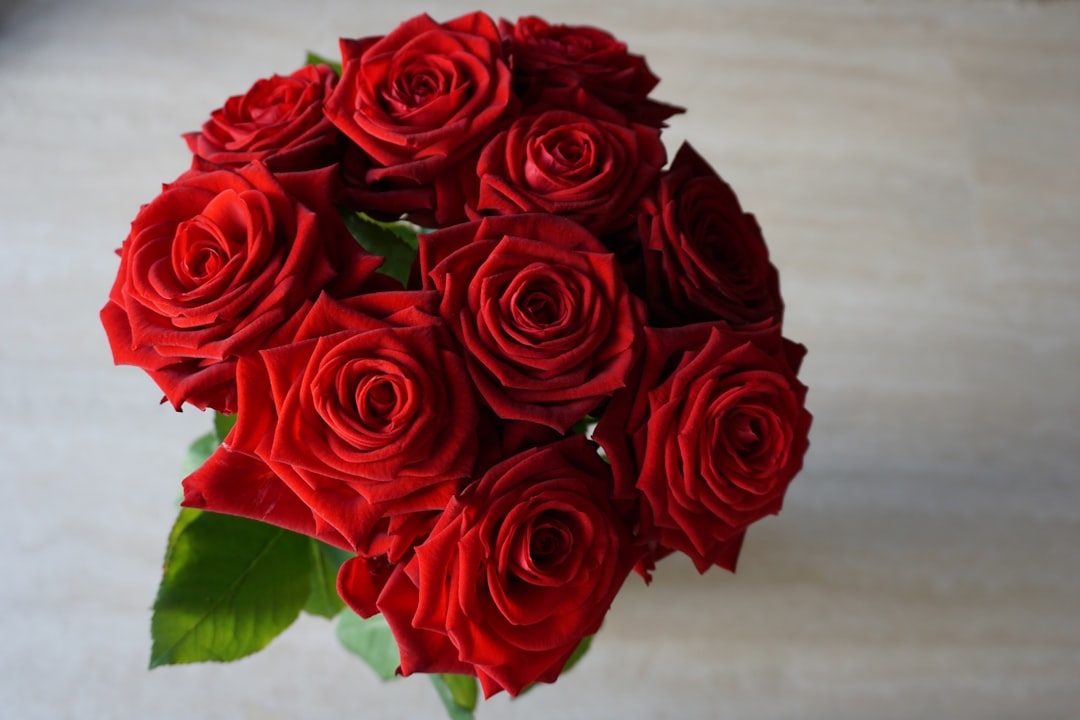
Still a classic. Modern rose hybrids–especially white and blush ‘Playa Blanca’, ‘White O’Hara’, and ‘Quicksand’–have minimal exposed pollen. Spray roses are even safer, with smaller, tightly bundled heads.
2. Hydrangeas
Voluminous, lush, and mostly stain-proof. Hydrangeas have no visible pollen and are prized for their ability to fill large spaces economically, with price averages around $3-$6 per stem wholesale in 2026.
3. Phalaenopsis Orchids
Sleek, architectural, and allergy-friendly. Phalaenopsis are specifically bred for long wear and minimal mess. A must-have for high-end, South Florida and West Coast weddings.
4. Calla Lilies
No exposed stamens, no drama. Calla lilies never drop pollen, and their smooth, waxy petals are almost impossible to stain. White and blush varieties dominate in minimalist installations.
5. Lisianthus
Lisianthus, sometimes called “Texas Bluebell” (though white and cream are wedding favorites), have no pollen and long vase life–up to two weeks. Popular in rustic and garden-inspired ceremonies.
6. Ranunculus
Known for their tightly packed petals, ranunculus is both photogenic and low-mess. They hold up well in both air-conditioned ballrooms and warm outdoor settings.
7. Tulips (with Stamen Removed)
Classic spring wedding flower. Tulip stains stem from their pollen, so if you gently remove the anthers as soon as the buds open, you have a non-staining beauty for bouquets and installations.
Best Practices for Stain-Free Wedding Installs
Placement and Handling
- Install flowers above delicate fabrics: Place arrangements to minimize contact with linens, dresses, or seating.
- Use fiber-backed drapes: The latest trend is using specialty drapes with “pollen shield” fabrics–renting from companies like BBJ La Tavola or Nuage Designs.
Time Considerations
- Set up close to event time: The shorter the exposure, the less risk of drooping petals and stains.
- Monitor humidity: High humidity increases the chance of petal bleed (especially for colored petals), so schedule installs in the last few hours before guests arrive.
Cleaning Up Mishaps
Even with the best planning, accidents happen. Keep a wedding day emergency kit with:
- White cotton cloths
- Tape (for lifting pollen grains)
- OxiClean™ stick pens (for non-delicate linens)
- Baby wipes (for quick blotting)
<blockquote>
Stain prevention isn’t just about flower choice–it’s about smart, thoughtful prep, says Mia Tran, AIFD. “You can save a lot of stress–and a lot of laundry–by planning your installs with non-stain flowers from the start.”
</blockquote>
What to Avoid: Risky Flowers for White Installations
While lilies might be Insta-famous, they’re notorious for orange pollen stains that are nearly impossible to remove from white tulle or silk. Likewise, avoid:
- Alstroemeria (Peruvian lily): Sneaky pollen and can bruise easily.
- Sunflowers: Heavy pollen and dark centers.
- Asiatic/Oriental lilies: High, visible pollen, even with stamen removal.
- Poppies: Delicate, but they drop both pollen and petal pigment.
- Red or blue anemones: Petal pigment bleeds with humidity.
Beware of any dyed or tinted flowers–especially imported hydrangeas or carnations–since the artificial color can transfer when wet, even if the bloom itself is “pollen-free.”
Real Wedding Examples: US Florists’ Favorite Combos
In 2026, the trend in US white wedding installations combines “safe” blooms for drama and volume. Boston florist Jorge Martinez (CFD) shares three go-to combos:
- Sculptural Modern: Phalaenopsis orchids + white calla lilies + hydrangea clouds
- Romantic Classic: Playa Blanca roses + lisianthus + trailing jasmine vine (real or high-end artificial)
- Garden Lush: Spray roses + ranunculus + queen anne’s lace + ruscus for greenery
Average budget for a full ceremony arch, using these combos: $1,400-$4,200 in major US metro areas (According to the Wedding Report, 2026).
FAQ: Non-stain Flowers for White Wedding Installations
What are the best flowers that won’t stain a white wedding dress?
Top choices include hydrangeas, phalaenopsis orchids, calla lilies, lisianthus, and most modern rose varieties. These flowers produce little to no visible pollen or pigment, minimizing the risk of stains on fabrics.
Can I use lilies in a white wedding without staining?
Traditional lilies (like Oriental and Asiatic) are risky due to their heavy pollen, which stains easily. If you want a similar look, consider using calla lilies, which are virtually stain-proof.
How do florists remove pollen from flowers before using them in installations?
Florists often use fine scissors or tweezers to carefully snip away stamens from flowers like lilies or tulips. It’s best done as soon as flowers open, to prevent any pollen from falling.
Are dyed flowers safe for white wedding backdrops?
Dyed or tinted flowers can bleed color, especially when hydrated for long periods or in humid environments. It’s safest to stick with naturally white flowers from reputable suppliers.
Do non-staining flowers cost more?
Not necessarily. Staples like hydrangeas, spray roses, and lisianthus are widely available and affordable. Orchids and calla lilies may be higher in price, but they add luxury and reliability.
Looking Ahead: The New Standard for Mess-Free Wedding Florals
With over 2.3 million weddings expected in the US in 2026 (WeddingPro Insights), and social media scrutinizing every detail, flawless white installations are more than a trend–they’re a standard. Want those crisp ceremony photos minus the worry? Start with the right blooms, plan your install with care, and don’t compromise on quality. Share this list with your wedding florist or rental provider–you’ll save major stress, and your whites will stay camera-ready until the last guest leaves.