




Contents:
- What Does a Monthly Flower Subscription Cost in 2026?
- Flower Subscription Value: What Are You Paying For?
- Stem Count, Sourcing, and Selection
- Regional & Seasonal Fluctuations
- Subscription Types: Comparing Plans and Perks
- Frequency, Customization, and Gifts
- Hidden Costs: Delivery, Service Fees, and Add-Ons
- Shipping and Surcharges
- The Case for Local Florists and Indie Subscription Boxes
- Quick List: Key Questions to Compare
- Pull-Quote
- Subscription Cost vs. Buying Bouquets A La Carte
- How to Maximize Value: Expert Tips
- Time Your Start
- Be Smart About Frequency
- Consider Local
- FAQ: Flower Subscription Costs in 2026
- How much does a typical monthly flower subscription cost in 2026?
- Are shipping and delivery always free with flower subscriptions?
- Do flower subscriptions save money compared to buying single bouquets?
- Can I skip a month or customize what I get?
- Are local florist subscriptions cheaper?
- Ready for Petal Power? Try a Local or National Service Side-by-Side
Monthly Flower Subscription Cost Comparison 2026
A vase of fresh blooms transforms a Monday morning into a small celebration. Americans have caught on: in 2026, more than 1.8 million US households subscribe to monthly flower delivery (American Floral Trends Report, 2025). But which service actually gives you the best value – and what are you really paying for? The price tag of a flower subscription can hide a lot behind the petals.
What Does a Monthly Flower Subscription Cost in 2026?
For most US consumers in 2026, a monthly flower subscription costs between $38 and $90 per delivery for standard-sized arrangements. Here’s a comparison snapshot of major brands’ starting prices for monthly plans:
| Brand | Monthly Price (Standard) | Arrangement Size | Shipping Fees | Customization | Notable Perks |
|---|---|---|---|---|---|
| The Bouqs Co. | $44-$89 | 16-24 stems | Free ($65+) | Some | Eco-friendly, farm-direct |
| UrbanStems | $60-$110 | 18-26 stems | Free | High | Designer collabs, gifts |
| BloomsyBox | $45-$89 | 18-22 stems | Free | None | Global flower sourcing |
| 1-800-Flowers | $39-$75 | 14-20 stems | $12-$20 | Some | Add-ons (chocolates, etc.) |
| Farmgirl Flowers | $65-$115 | 22-32 stems | Free | Some | Signature burlap wrap |
| H.Bloom | $80-$150 | 20-34 stems | $8-$15 | Full (premium) | Business/office options |
Prices reflect standard monthly plans as of Spring 2026.
Flower Subscription Value: What Are You Paying For?
Stem Count, Sourcing, and Selection
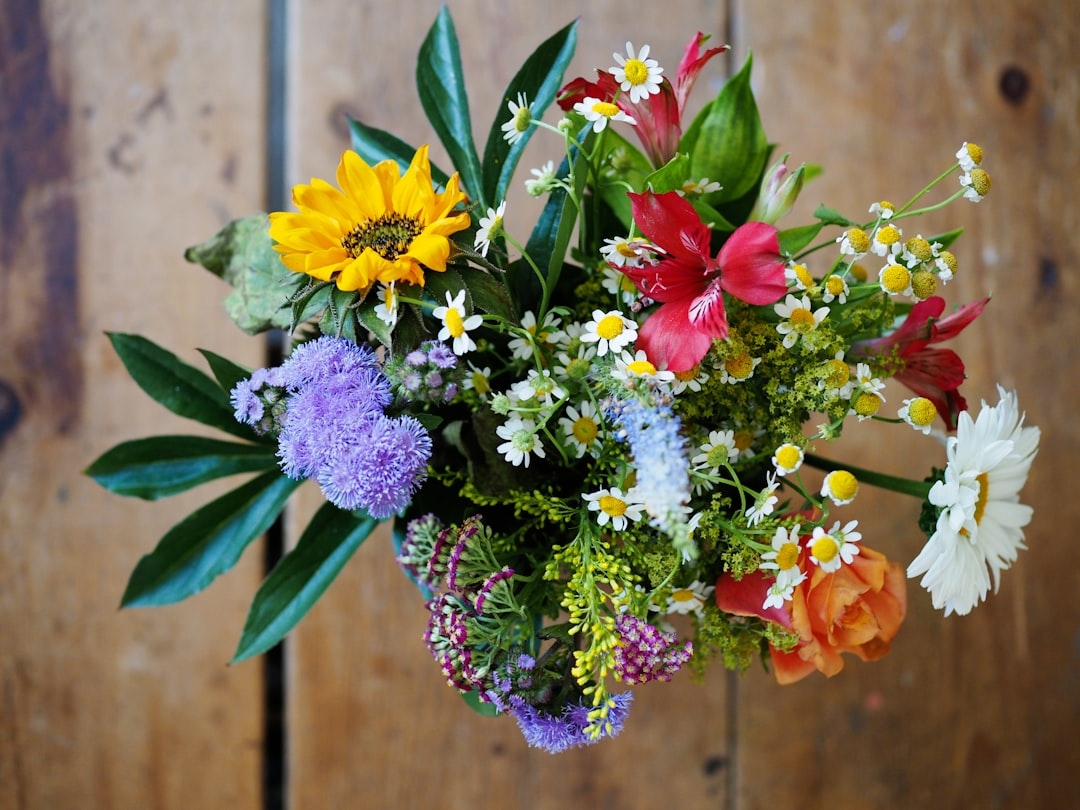
Not all bouquets are created equal. $45 might get you a petite handful, while $70 can mean lush, premium stems. Dr. Emily Carter, horticulture PhD and lead designer at GreenSpace Florals, points out:
“A $40 monthly flower subscription often means seasonal, farm-sourced stems. For $80+, expect specialty blooms like ranunculus, orchids, or long-stem roses–sometimes with unique vases or local add-ons.”
Stem count is the easiest way to measure value. Here’s a cheat sheet:
- 14-18 stems: Small bouquet, perfect for a side table
- 19-26 stems: Medium “wow” arrangement for a centerpiece
- 27+ stems: Large, showy pieces for open spaces
Regional & Seasonal Fluctuations
US subscribers in cities like New York or San Francisco may see higher costs than in smaller metro areas. Shipping costs (especially same-day) push prices up by $10-$20 per order in 2026.
Flower subscriptions with a regional focus, like Farmgirl Flowers, sometimes offer better value (more stems for the price) if you live in their shipping sweet spot.
Subscription Types: Comparing Plans and Perks
Frequency, Customization, and Gifts
Monthly subscriptions dominate the market, but most services now let you choose every week, biweekly, or even quarterly shipments. The more frequent, the bigger the discount.
Customization options can change both price and experience:
- The Bouqs Co.: Lets you skip, swap, or pause at no extra cost.
- UrbanStems: High customization–select designers, color palettes, even stem types for $10-$20/month more.
- BloomsyBox: No bouquet swaps, but a “pet-safe” monthly box option for $4 extra.
Giftability: Adding chocolates, plush toys, or vases can tack on $7-$30 per month.
A personal card is usually free; upgraded packaging (e.g., Farmgirl’s signature burlap) adds $5-$10.
Fun fact: In 2026, 64% of US flower subscription customers bought at least one as a gift last year (Floral Insights USA Survey, 2025).
Hidden Costs: Delivery, Service Fees, and Add-Ons
Shipping and Surcharges
Free shipping isn’t universal. Check the fine print:
- 1-800-Flowers: $12-$20 delivery fee, even for monthly plans, unless you pay for their Premier Pass ($29/year).
- Farmgirl Flowers: True free shipping, but Alaska/Hawaii orders cost extra.
- H.Bloom: $8-$15 per delivery, with white-glove service for large arrangements.
Service fees may pop up at checkout. These vary by state, but often add 3-10% to your total.
Holiday surcharges (Valentine’s, Mother’s Day) are common: expect price bumps of $10-$25 per order in February and May.
The Case for Local Florists and Indie Subscription Boxes
National brands deliver volume, but local shops are catching up. In 2026, more than 800 US independent florists offer hyper-local monthly flower subscriptions.
Benefits of local subscriptions:
- Often $5-$15 cheaper per month for similar stems
- More flexibility and direct contact with designers
- Lower carbon footprint (flowers don’t fly across states)
Drawbacks:
- Smaller delivery radius (usually within 10-20 miles)
- Less guarantee of fancy packaging and nationwide logistics
Amy Ngo, owner of PetalPatch in Seattle, adds:
“Our customers see $48-$62 for a generous monthly bouquet–always local, always fresh. Many say the personal touch trumps the big brands’ boxes.”
Quick List: Key Questions to Compare
When choosing a flower subscription, ask:
- How many stems per delivery–and what types?
- Is shipping really included, or just ‘free above $X’?
- Can you pause, swap, or skip deliveries?
- Are there hidden fees or price changes for holidays?
- Does the company use farm-direct, local, or imported flowers?
Pull-Quote
“In 2026, the biggest difference isn’t just price. It’s experience. A $70 subscription can mean farm-fresh sunflowers in a mason jar or peony-heavy, designer arrangements in sculptural vases.”
– Dr. Emily Carter, Horticulturist & Designer
Subscription Cost vs. Buying Bouquets A La Carte
It’s tempting to compare subscriptions to one-off orders. Here’s what data from the National Florist Association shows:
- The average US bouquet ordered online (no subscription) in 2026: $58 (plus $14 shipping)
- Average monthly subscription delivery: $53-$75 shipped (for similar stem counts)
- Subscriptions often come with 10-15% savings, plus perks like swap/skips and member rewards
Blanket discounts, surprise extras, and member-only collections are becoming standard with long-term plans.
How to Maximize Value: Expert Tips
Time Your Start
- Start right after holidays: Early March or late May often sees discounts as companies clear excess inventory.
- Refer a friend: Most brands offer $15-$25 credits for both you and a friend.
Be Smart About Frequency
- Quarterly or biweekly options may save you 20-30% compared to monthly, especially if you like bigger bouquets less often.
Consider Local
- Not all local florists advertise online; ask your neighborhood shop.
- Supporting local often means fresher flowers and more interesting, in-season selections.
FAQ: Flower Subscription Costs in 2026
How much does a typical monthly flower subscription cost in 2026?
Most monthly flower subscriptions in the US cost $38 to $90 per month for standard-sized bouquets (14-26 stems). Premium or designer arrangements can run $100 or more per delivery.
Are shipping and delivery always free with flower subscriptions?
No, not always. Some brands include shipping in the monthly cost, but others charge $8-$20 extra per delivery. Check the details before subscribing.
Do flower subscriptions save money compared to buying single bouquets?
Yes, typically by 10-15%. Ongoing subscriptions often include perks, member discounts, and free upgrades–plus the convenience of scheduled deliveries.
Can I skip a month or customize what I get?
Most major services let you pause or skip a month through your account. Customization–like selecting specific flowers or colors–may cost $5-$20 more per month, or be limited based on the provider.
Are local florist subscriptions cheaper?
In many cases, yes. Local shops often charge $5-$15 less than national brands for similar arrangements, though delivery areas may be limited.
Ready for Petal Power? Try a Local or National Service Side-by-Side
Here’s a practical move: subscribe to both a local florist and a national service for a month or two, then compare. Notice which bouquet lasts longer, feels fresher, or makes your morning better. Take pictures. Time how quickly the blooms arrive.
In 2026, it’s not just about cost–it’s about what gives your table (and your mood) the brightest lift. Happy arranging!