







Contents:
- The Quick Answer: What Are the Best Compostable Flower Wrapping Options?
- Why Compostable Flower Wrap Matters in 2026
- Florists & Flower Shoppers Demand Better
- Compostable Flower Wrap Materials: Pros, Cons & Examples
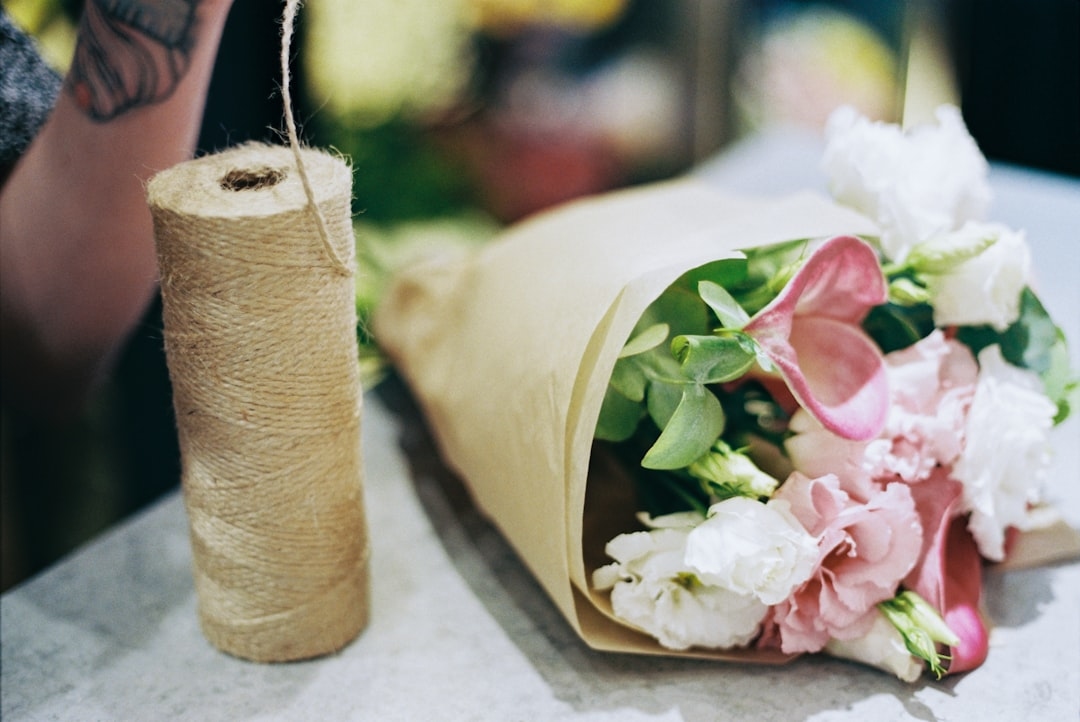
- Kraft Paper
- Compostable “Cellophane” (PLA, NatureFlex)
- Compostable Tissue Paper
- Fabric Wraps (Reusable and Compostable)
- Upcycled Wrapping (Newspaper, Book Pages, Maps)
- How to Choose the Right Compostable Flower Wrap
- What Matters: Local Composting, Look, and Budget
- Quote to Consider
- Compostable Wrapping Brands and Where to Buy in 2026
- Compostable Tape, Ties, and Extras
- Pull-Quote:
- Composting at Home: What Actually Breaks Down?
- Common Pitfalls: What’s NOT Compostable
- FAQ: Compostable Flower Wrapping
- What flower wrapping material is most eco-friendly?
- Can compostable cellophane go in a backyard compost pile?
- How can I tell if a wrap is truly compostable?
- Will compostable wraps keep flowers fresh as long as plastic?
- Are reusable fabric wraps considered compostable?
- Looking Ahead: Small Choices, Big Impact
Compostable Flower Wrapping Options: Sustainable Choices for Florists and Flower Lovers
Tear open a bouquet from most U.S. florists in 2026 and you’ll likely find clingy plastic film or shiny cellophane, both destined for the landfill after a fleeting moment of floral glory. Americans discard over 500 million plastic wraps from flowers every year, according to the Sustainable Floristry Network. As demand for eco-friendly blooms surges, compostable flower wrapping options are transforming how bouquets are delivered, displayed, and disposed of.
The Quick Answer: What Are the Best Compostable Flower Wrapping Options?
Compostable flower wrapping options include natural kraft paper, plant-based cellophane (biocellulose or PLA film), compostable tissue paper, fabric wraps like organic cotton, and upcycled materials such as recycled newspaper. The most popular and effective choices for florists in the U.S. are:
- Unbleached kraft paper (certified compostable)
- PLA (polylactic acid) film made from corn starch
- Compostable clear cello (NatureFlex by Futamura)
- Fabric wraps like Bee’s Wrap or organic muslin, for reusable gifting
These options break down in home or municipal compost within weeks to months, avoiding plastic pollution and supporting a circular floral economy.
Why Compostable Flower Wrap Matters in 2026
Single-use plastic in floristry is as outdated as floral foam (which is also being phased out). Most standard wraps aren’t accepted in recycling programs–so they add to the 30 million tons of plastic waste Americans generate each year (EPA, 2024). Compostable wraps tackle this problem at the source.
Florists & Flower Shoppers Demand Better
Florist Lisa Tran, owner of Urban Petal SF and a member of the American Institute of Floral Designers, says,
“In 2026, three out of five customers ask if we use compostable wrappings. They care about where every part of their bouquet ends up, not just the blooms.”
Consumer pressure, local legislation (like California’s ban on non-compostable wraps for commercial florists), and a genuine desire to cut waste have all accelerated the switch.
Compostable Flower Wrap Materials: Pros, Cons & Examples
1. Kraft Paper
- Description: Unbleached kraft paper is made from wood pulp, naturally brown, strong, and tear-resistant.
- Compostability: Fully composts in 3-6 months in home or municipal compost.
- Cost: About $0.10-$0.20 per sheet (24″x36″) as of March 2026 in the U.S.
- Best For: Everyday bouquets, DIY gifting, market stands.
Pros:
- Classic, rustic look
- Takes ink well (for branding or gift messages)
- Easily available in most US cities
Cons:
- Not waterproof; requires an inner lining for very wet stems
2. Compostable “Cellophane” (PLA, NatureFlex)
- Description: Clear, flexible film made from plant-based PLA or cellulose (like NatureFlex by Futamura).
- Compostability: Breaks down in commercial composters in 45-90 days; NatureFlex is home compostable.
- Cost: $0.28-$0.45 per sheet for florist-grade, as of 2026.
- Best For: Modern bouquets, high-humidity or refrigerated storage.
Pros:
- Looks like conventional cellophane
- Transparent for showing off blooms
- Certified compostable (ASTM D6400, EN13432)
Cons:
- More expensive than paper
- Home compost breakdown can be slow for some PLA films
| Material | Compostable at Home? | Transparency | Price per sheet (USD) | Waterproof | Time to Break Down |
|---|---|---|---|---|---|
| Kraft paper | Yes | No | $0.10-$0.20 | No | 3-6 months |
| PLA film | Sometimes | Yes | $0.30-$0.40 | Yes | 2-6 months |
| NatureFlex cello | Yes | Yes | $0.35-$0.45 | Yes | 1-3 months |
| Cotton fabric | N/A (reusable) | No | $1.50-$3.00 | No | Years (reuse) |
3. Compostable Tissue Paper
- Description: Bleach-free, plant fiber tissue paper, sometimes with embedded flower seeds (like Seed Paper from Botanical Paperworks).
- Compostability: Complete breakdown in 2-4 weeks in home compost.
- Cost: $0.15-$0.25 per wrap.
- Best For: Gift wrapping, delicate posies, promotional bouquets.
Pros:
- Soft texture and gentle on petals
- Can be printed or customized
- Seeded tissue paper grows wildflowers after composting
Cons:
- Tears easily when wet
- Less protection for fragile stems
4. Fabric Wraps (Reusable and Compostable)
- Description: Cotton muslin, bamboo fiber, linen, or even upcycled scarves.
- Compostability: 100% natural fabrics are compostable at the end of their life, but most are intended for reuse.
- Cost: $1.50-$3.00 per wrap (but used many times).
- Best For: Zero-waste gifting, high-end bouquets.
Pros:
- Elegant, customizable
- Adds value for the recipient
- “Furoshiki” Japanese-style wraps trending in 2026
Cons:
- Higher upfront cost
- Requires recipient to reuse or compost properly
5. Upcycled Wrapping (Newspaper, Book Pages, Maps)
- Description: Reusing clean printed materials destined for recycling or compost.
- Compostability: Yes, if inks are non-toxic and paper is uncoated.
- Cost: Often free or minimal.
- Best For: Local markets, DIY bouquets, eco-minimalists.
Pros:
- Cheapest option
- Gives personality; each wrap is unique
- Compostable if not glossy or heavily printed
Cons:
- Not waterproof
- May not suit elegant events
How to Choose the Right Compostable Flower Wrap
What Matters: Local Composting, Look, and Budget
- Check Local Compost Rules: Not all U.S. cities accept PLA films in curbside compost, while kraft paper nearly always is accepted.
- Match Aesthetic to Occasion: Rustic kraft suits farmers markets; clear biocellulose works for upscale deliveries.
- Balance Cost & Waste: For high-volume shops, paper or bulk NatureFlex cello is cost-effective; use fabric wraps selectively.
Quote to Consider
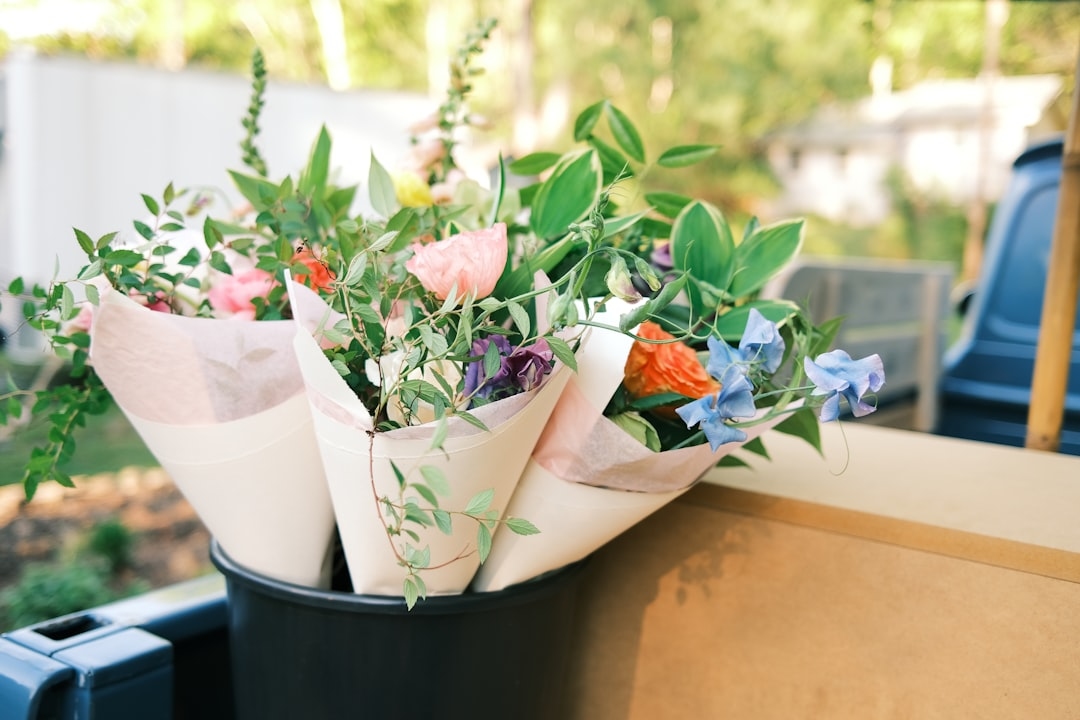
“We switched to NatureFlex for our wedding bouquets in 2025,” says Maria Gutierrez, owner of Seattle’s GreenStems Floral. “It’s a bit pricier, but couples love seeing their names printed on the wrap, and we cut our plastic trash by 70%.”
Compostable Wrapping Brands and Where to Buy in 2026
- NatureFlex (Futamura): Widely available in rolls and sheets from ULINE, EcoEnclose, and wholesale floral suppliers. Home compostable, transparent.
- EcoCraft: Unbleached kraft paper, available via WebstaurantStore and Amazon.
- Botanical Paperworks: Seed-embedded tissue, shipped U.S.-wide.
- Bee’s Wrap: Organic cotton wraps, reusable and fully compostable (after lifespan), sold at Whole Foods, Target, and independent gift shops.
- Good Start Packaging: PLA and biocellulose wraps for florists, with bulk pricing.
Tip: For smaller florists or home arrangers, Michaels and Joann Fabrics now stock certified compostable kraft and tissue wraps.
Compostable Tape, Ties, and Extras
Wrapping is only half the story. Consider:
- Compostable tape: Brands like EcoEnclose now offer cellulose-based sticky tape.
- Jute, hemp, or cotton twine: All break down in compost.
- Cornstarch “bio bags”: For water reservoirs in hand-tied bouquets, replacing plastic baggies.
Florist Sam Patel (Brooklyn Roses NYC) notes, “Switching to compostable tape saved us about 1200 feet of plastic trash each month–and our bouquets stay just as secure.”
Pull-Quote:
“A beautiful bouquet shouldn’t come wrapped in a problem that outlasts the flowers.”
– Dr. Evelyn Spruce, Horticultural Sustainability Researcher, Rutgers University
Composting at Home: What Actually Breaks Down?
- Kraft Paper: Shreds quickly; worm bins love it.
- NatureFlex & Certified Cellophane: Requires warmth and moisture; check for “home compostable” certification.
- PLA Film: Best in municipal composting; can leave residue if home piles are cool/dry.
- Fabric Wraps: Compost only if 100% natural, un-dyed, and after extended reuse.
Always remove non-compostable stickers, tags, or ribbon before composting.
Common Pitfalls: What’s NOT Compostable
- Conventional plastic cellophane (BOPP, PVC)
- Foil-backed wrap
- Glossy, coated, or glittered paper
- Plastic ribbons, twist-ties
These go in the trash, not the green bin–even if they “look” like paper.
FAQ: Compostable Flower Wrapping
What flower wrapping material is most eco-friendly?
Unbleached kraft paper and certified home-compostable clear wraps (like NatureFlex) are the most eco-friendly commonly available options in 2026, as they break down completely and are widely accepted in U.S. compost bins.
Can compostable cellophane go in a backyard compost pile?
Yes, but only if it’s certified “home compostable” (like NatureFlex). Standard PLA wraps may require the higher heat of commercial composting to break down fully.
How can I tell if a wrap is truly compostable?
Look for certifications: ASTM D6400, EN13432, or “OK Compost Home” labels. Genuine compostable wraps will list these on packaging, or you can ask your local florist.
Will compostable wraps keep flowers fresh as long as plastic?
Compostable films (like PLA or NatureFlex) have similar moisture-retention to plastic. Kraft paper is less moisture-proof and may require an inner lining for extended freshness.
Are reusable fabric wraps considered compostable?
Yes, if made from 100% natural fibers (like cotton, linen, or bamboo) and not treated with synthetic dyes or coatings. They’re best reused many times before composting.
Looking Ahead: Small Choices, Big Impact
The next bouquet you give or receive can spark real change–simply by choosing a wrap that returns to the earth, not the landfill. Ask your local florist about their wrapping policy. Try making your own compostable wrap at home or go a step further and return wraps to a local compost bin.
Every stem wrapped sustainably is a small protest against plastic waste–and an invitation to bloom a little greener.
Ready to try a compostable wrap for your next bouquet? Join the nationwide #CompostMyBouquet challenge this spring and share your eco-friendly creation with your community.