






Contents:
- Quick Answer: How Do You Compost a Wilted Bouquet?
- Why Compost Your Old Flower Arrangements?
- Step-by-Step: Composting a Wilted Bouquet at Home
- Sort Out the Non-Compostables
- Chop or Tear Up the Flowers
- Mix With Browns
- Add to Your Compost System
- Wait and Turn
- What Can and Can’t Be Composted From Bouquets
- Special Cases: Holiday Arrangements and Dyed Flowers
- Dealing With Glitter, Painted, or Dyed Blooms
- Scented/Preserved Flowers
- Is it Worth Composting Just One Bouquet?
- Composting Flowers: Common Mistakes
- Advanced Tips: Composting With Flower Shop Waste
- Composting Bouquets: Worth the Effort?
- FAQs: Composting Wilted Bouquets
- How do you compost store-bought flowers?
- Can you compost flowers with floral foam?
- Do dyed or painted flowers harm compost?
- What should you do with the water from wilted flowers?
- Can I compost flowers in a city apartment?
- Grow Something New, Starting With Last Week’s Bouquet
How to Compost a Wilted Bouquet
A fresh bouquet on your table–maybe a dozen stems from UrbanStems or a birthday arrangement from Bouqs–brings life and color to a room. But within a week or two, those once-glamorous petals droop, stems slime over, and the magic fades. Instead of tossing the whole mess in the garbage, there’s a green alternative hiding in plain sight: composting wilted flowers. Yes, even the floral foam, ribbons, and plastic picks can be dealt with thoughtfully. Ready for an eco-upgrade to your flower game?
Quick Answer: How Do You Compost a Wilted Bouquet?
Remove non-organic materials (like floral wire, tape, and plastic picks) from your bouquet. Chop the stems and petals into smaller pieces, then add them to your home compost pile or green bin. Avoid composting florist foam or synthetic ribbon–those belong in the trash. Mix the flower material with brown matter (dried leaves, shredded paper) to help it break down faster.
Why Compost Your Old Flower Arrangements?
Every year, Americans buy over $6 billion worth of cut flowers, and most of those stems–roses, sunflowers, lilies–end up in landfills. According to the EPA, organic waste like wilted flowers makes up roughly 30% of what we toss. Rotting in the dump, they emit methane, a greenhouse gas 25 times more potent than CO2.
Florist and sustainable design advocate Maya Chen, AIFD, notes:
“If everyone composted even half their bouquets, we’d keep thousands of tons of rich, organic material out of the landfill and back into the soil.”
Bottom line: Small steps, like composting a wilted bouquet, add up to real climate impact.
Step-by-Step: Composting a Wilted Bouquet at Home
Transforming that sad vase arrangement into gold for your tomato plants is easier than it sounds. Here’s exactly how:
1. Sort Out the Non-Compostables
- Remove: Wire, florist tape, synthetic ribbons, plastic water tubes, rubber bands.
- Keep: All plant material–stems, leaves, petals, even the odd pinecone or berry sprig.
Pro tip: Most “floral foam” (the green spongy brick) is not compostable. It’s a plastic; toss it in the trash unless labeled “compostable.”
2. Chop or Tear Up the Flowers
Large stems (think lilies or hydrangea) take longer to break down. Use scissors, pruners, or garden shears to chop everything into 2-4 inch pieces. Smaller bits mean quicker compost.
3. Mix With Browns
Fresh flowers are moist “greens” that need to be balanced with “browns”:
- Dried leaves
- Shredded paper (avoid glossy or colored ink)
- Cardboard, torn into pieces
A good rule: Mix one part wilted bouquet to two parts dry browns. This keeps your compost from getting slimy or smelly.
4. Add to Your Compost System
You can use:
- A backyard compost bin or tumbler (like the FCMP Outdoor Dual Chamber, ~$90 at Home Depot)
- A community compost drop-off, available in over 180 US cities
- A green bin if you have municipal composting (common in California, New York, Seattle)
5. Wait and Turn
Turn your pile every couple weeks. In 2-4 months (longer in winter), your flower scraps turn to rich, crumbly compost.
What Can and Can’t Be Composted From Bouquets
| Bouquet Item | Compost? | Notes |
|---|---|---|
| Flower stems | Yes | Cut smaller for speed |
| Petals/leaves | Yes | Even dried/confetti petals |
| Woody branches | Yes (chop) | May take 6+ months to break down |
| Floral foam | No | Trash unless marked ‘compostable’ |
| Synthetic ribbons | No | Landfill only |
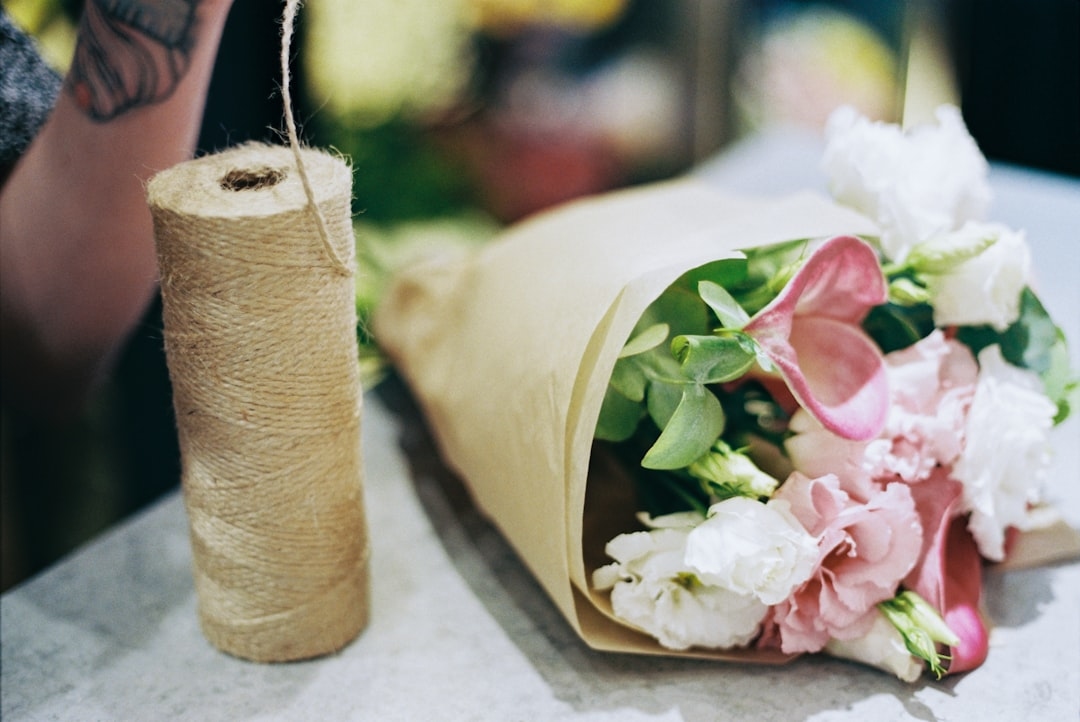
| Natural twine | Yes | Cotton, jute, hemp are all compostable |
| Plastic picks/wrap | No | Recycle if possible or trash |
| Rubber bands | No | Remove and reuse if possible |
| Glitter/sprays | No | Glitter is a microplastic pollutant |
Special Cases: Holiday Arrangements and Dyed Flowers
Dealing With Glitter, Painted, or Dyed Blooms
Florists often use sparkly sprays, latex paints, or artificial dyes–especially around Valentine’s Day or Christmas. According to Kim Tran, Ph.D. in Environmental Toxicology:
“Acrylic sprays and synthetic dyes can leach microplastics or heavy metals. Compost plain plant material only.”
If petals shed color or feel plasticky/waxy, err on the side of caution and toss those in the trash.
Scented/Preserved Flowers
Preserved roses (sometimes sold by Venus ET Fleur) or fragrance-treated blooms often contain chemicals. These aren’t compost-friendly.
Is it Worth Composting Just One Bouquet?
Absolutely. Even a single bunch of wilting sunflowers adds nitrogen to your heap and keeps organics out of landfills. Over a year, composting all your bouquets (say, 10-12 per household) can save up to 10-15 pounds of material per American home. In a city like Austin–which gets about 600,000 flower deliveries annually–that’s millions of pounds diverted.
And here’s the fun part: compost from flower bouquets tends to be fluffy, dark, and microbe-rich. Gardeners swear it perks up everything from tomatoes to tulips.
Composting Flowers: Common Mistakes
Even seasoned plant lovers slip up! Here’s what to avoid:
-
Leaving flowers in the vase water
That old, smelly water can breed anaerobic bacteria. Drain and compost the plant material, not the water. -
Composting florist foam
Unless the package says “compostable foam” (new in 2026 from brands like Agra-Wool and Smithers-Oasis Bio), toss it. Standard foam is microplastic. -
Forgetting to balance greens and browns
Too many flowers and not enough dry matter = a slimy mess. -
Missing hidden plastics
Double-check for tiny floral picks, netting, or stickers before tossing flower parts in your pile.
Advanced Tips: Composting With Flower Shop Waste
Are you a hobby florist or cut-flower collector? Commercial florists like Petals & Stems (Dallas, TX) and online outfits like 1-800-Flowers produce pounds of waste daily. If you’re managing larger loads:
- Invest in a rolling compost tumbler or multi-bin system (Tumbleweed, $125, is a florist favorite for its dual compartments).
- Consider Bokashi bins, which ferment even meaty/smelly flowers fast.
- Donate excess blooms to petting farms or create a neighborhood composting hub.
Floristry educator Lila Ramirez, FDI-certified, says:
“Florists who compost their trimmings save $700-$1200 a year in landfill fees–plus, they get premium compost for the next seedling season.”
Composting Bouquets: Worth the Effort?
It takes less than 10 minutes to prep a bouquet for composting. In return? Cleaner conscience, better garden soil, and a lighter trash can. Plus, there’s something satisfying about knowing last week’s anniversary flowers might power next summer’s homegrown basil.
Pull-quote:
“A wilted rose is never wasted if it feeds your next bloom.”
FAQs: Composting Wilted Bouquets
How do you compost store-bought flowers?
Begin by taking apart the bouquet and discarding all wire, plastic, and ribbon. Chop stems and petals, then layer them with dry composting material like shredded cardboard. Add to your backyard compost bin or municipal green bin. Avoid any parts sprayed with glitter or paint.
Can you compost flowers with floral foam?
Standard floral foam contains microplastics and will not break down in compost. Only compost foam labeled as “compostable” (like Agra-Wool in 2026). Otherwise, throw floral foam in the trash and compost the plant parts separately.
Do dyed or painted flowers harm compost?
Yes. Most synthetic dyes and sprays release chemicals or microplastics as they break down, which can leach into compost. Compost only natural, untreated flowers for safe, garden-ready compost.
What should you do with the water from wilted flowers?
Pour old vase water down the drain or use it to water outdoor, non-edible plants (it contains decomposed organic matter, which may smell but won’t harm ornamentals).
Can I compost flowers in a city apartment?
Yes! Use an indoor compost bin, countertop tumbler, or sign up for a compost pickup service like CompostNow (operating in Atlanta, Raleigh, and six other US cities). Most accept flower waste if non-organics are removed.
Grow Something New, Starting With Last Week’s Bouquet
The next time your flower arrangement wilts, try this: Set a timer for five minutes, trim and sort every stem, and toss it in your compost bin. Little rituals like this shrink your eco-footprint, nurture your garden, and make every bouquet–even the faded ones–a gift that keeps giving.
Already mastered composting bouquets? Experiment with making your own floral compost tea, or get neighbors in on a flower-waste collection project. Small actions, multiplied, can change the way we celebrate, gift, and grow.
Happy composting–and happy blooming!