



Contents:
- What Are the Main Bridesmaid Bouquet Design Philosophies? (Featured Snippet)
- Classic Elegance vs. Contemporary Flair
- Minimalism Meets Maximalism
- Monochrome Minimalism
- Maximalist Mixes
- The Eco-Conscious Approach
- Cohesion vs. Individuality: Matching Bouquets to the Wedding Party
- Unified Bouquets
- Personalized Touches
- Practical Flower Choices for the US Market
- Top Flower Picks by Region
- Durability and Budget
- How Florists Personalize Bridesmaid Bouquets in 2026
- Digital Mood Boards & AI-Assisted Design
- Scent and Experience
- Inclusive Choices
- Frequently Asked Questions
- What flowers hold up best in bridesmaid bouquets for summer weddings?
- How far in advance should bridesmaid bouquets be ordered in the US?
- Are silk or artificial bridesmaid bouquets popular in 2026?
- Can I mix different styles of bridesmaid bouquets in my wedding?
- How much do bridesmaid bouquets usually cost in the US in 2026?
Bridesmaid Bouquets: Design Philosophies from Classic to Cutting-Edge
A riot of ranunculus against navy dresses. Sunflowers beaming beside a desert vista. Bridesmaid bouquets do far more than accessorize–they broadcast the couple’s taste, the wedding’s mood, and often, the deeper philosophy behind floristry itself. In 2026, with weddings more individualized than ever, the way you design bridesmaid bouquets tells a story as vivid as the flowers themselves.
What Are the Main Bridesmaid Bouquet Design Philosophies? (Featured Snippet)
Bridesmaid bouquet design philosophies range from classic symmetry to freestyle wildflower, monochrome minimalism, eco-conscious sourcing, and bold color pop. Each philosophy considers factors like flower types, color palette, bouquet shape, sustainability, and how bouquets complement the overall theme and attire. Leading US florists in 2026 emphasize personalization–matching florals to each wedding’s vibe and each bridesmaid’s personality.
Classic Elegance vs. Contemporary Flair
Traditional American weddings often lean on symmetry–think round, uniform bouquets of roses, peonies, or hydrangeas. These tie in with formal gowns and historic venues. According to Lila Jennings, lead designer at NYC’s Rose & Vine Atelier, “About 60% of my classic clients request blush and ivory tones in medium-sized bouquets, with a tight, domed shape. It’s timeless.”
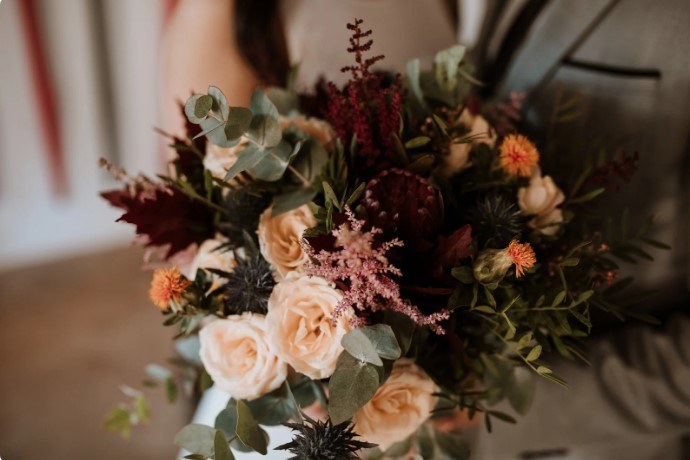
But there’s a modern counterpoint: asymmetrical, loosely gathered bouquets that feel freshly foraged. This “just picked” look, influenced by the slow flower movement, mixes local flora, varied textures, and unexpected greenery. Florist Maya Tran (Seattle, WA) notes, “In 2026, we’re still seeing huge demand for wild shapes with native blooms like Pacific Northwest ferns and hellebores.”
Comparison Table: Classic vs. Contemporary Bouquets
| Feature | Classic Elegance | Contemporary Flair |
|---|---|---|
| Bouquet Shape | Symmetrical, round | Asymmetrical, organic |
| Typical Flowers | Roses, peonies, hydrangea | Ranunculus, hellebore, eucalyptus |
| Color Palette | Soft pastels, ivory | Bold mixes, earthy tones |
| Finishing Touch | Satin ribbon | Twine, silk, trailing fabric |
| Budget (avg, USD) | $80-150 per bouquet | $90-180 per bouquet |
Minimalism Meets Maximalism
Monochrome Minimalism
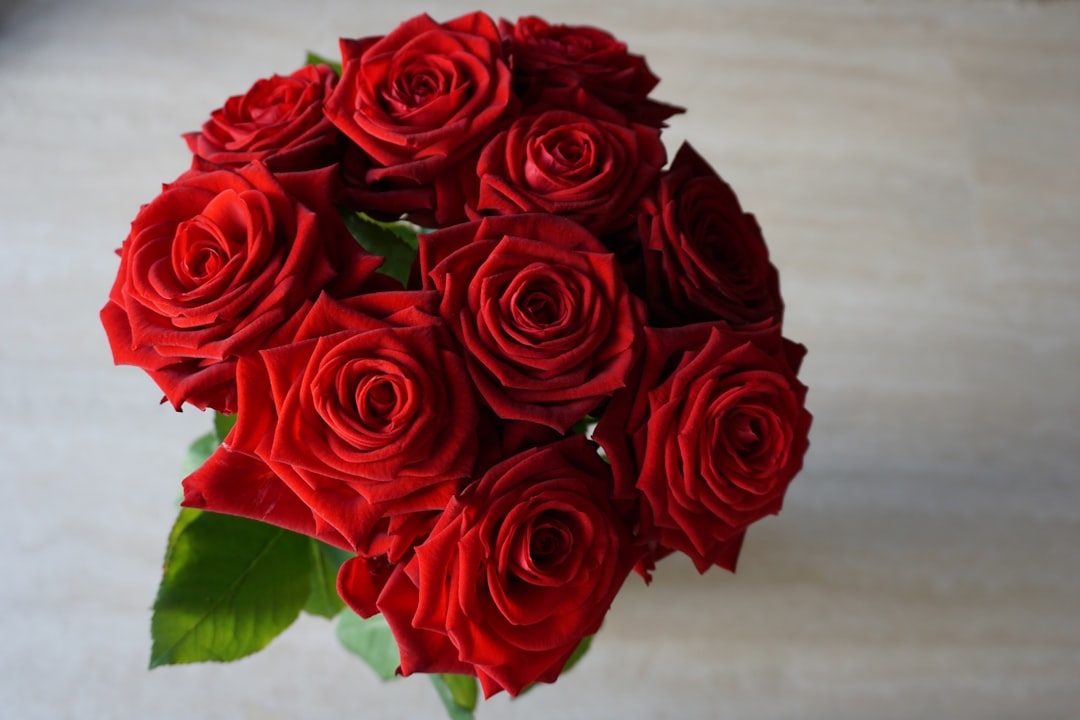
A trend that’s hit the US hard since 2024: bouquets that stick closely to one hue, or even a single flower type. All-white anemones, only lavender roses, or pale blue tweedia–these bundles play a supporting role while letting bridesmaid gowns or other decor take center stage.
“Minimalist bouquets are about restraint,” says Andrew Doyle, head florist at Petal & Co. Los Angeles. “For clients who love chic, modern aesthetics (think Brooklyn warehouse weddings or rooftop ceremonies in LA), a pared-back bunch is never boring.”
Maximalist Mixes
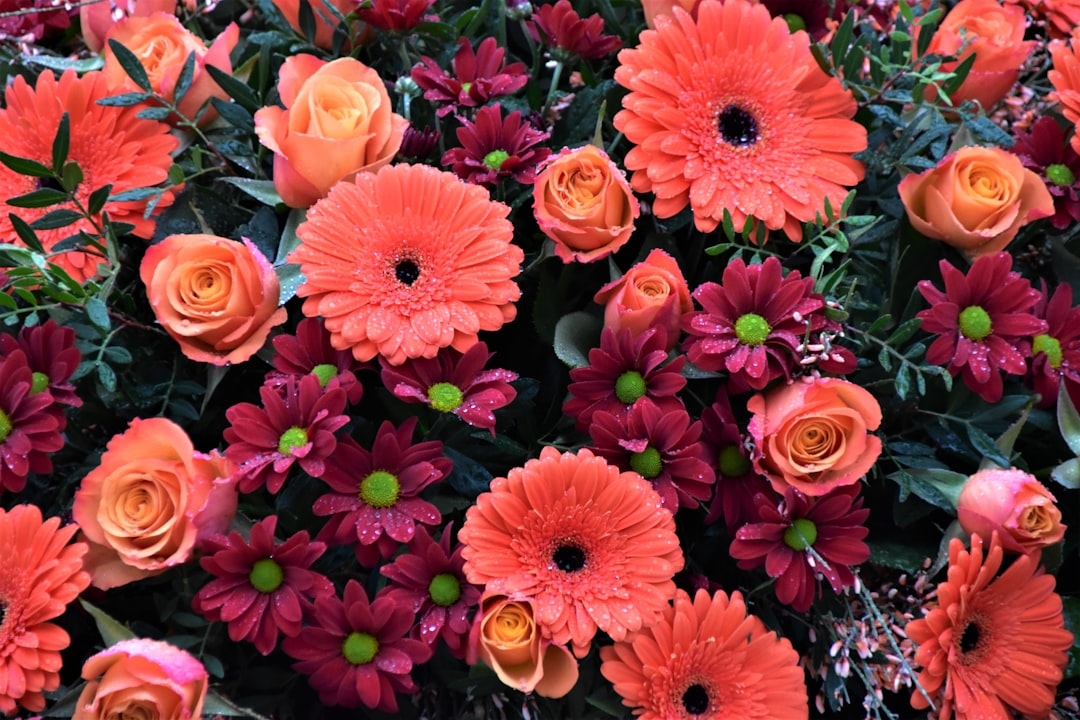
On the other end: color-drenched bouquets exploding with five, six, or more varieties. Bright corals, rich burgundies, and even hints of neon–nothing is too much for adventurous couples. In 2026, neon yellow poppies and violet lisianthus are surging, according to data from Teleflora’s 2025 wedding report.
Pull-quote:
“A maximalist bouquet isn’t about chaos. It’s about orchestrated abundance–letting each bloom show off, but still singing in harmony with the group.”
– Andrew Doyle, Petal & Co.
The Eco-Conscious Approach
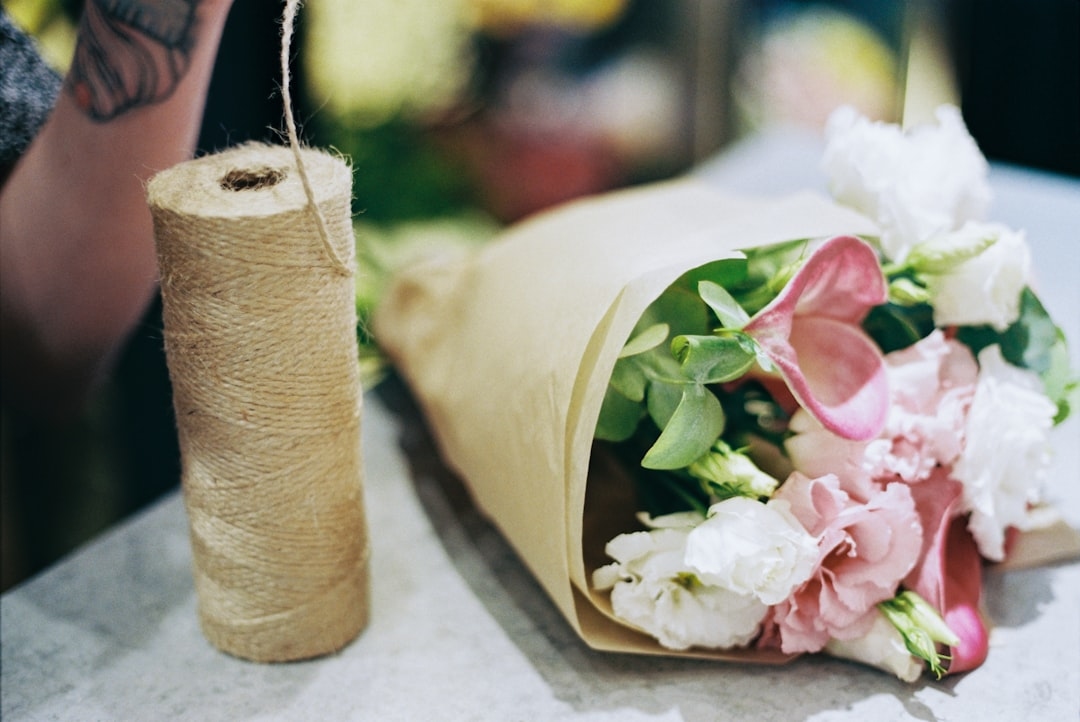
More US couples in 2026 are asking where their flowers come from. Eco-friendly bridesmaid bouquets mean locally grown seasonal blooms, less floral foam (a non-biodegradable staple in the industry), and reusable or recycled wrappings.
- Seasonal selection saves: Using in-season flowers can save up to 35% per bouquet and dramatically cut the wedding’s carbon footprint, per a 2025 study by the American Floral Endowment.
- Local impact: Sourcing from US-based growers (like California’s The Flower Fields or Maine’s Broadturn Farm) supports regional economies and reduces transportation emissions.
- No foam: Modern bouquets use chicken wire, compostable wraps, or just hand-tied stems to avoid toxic foam.
Eco-friendly Services:
- Farmgirl Flowers (SF-based, nationwide delivery)
- Flowers for Dreams (Chicago, Midwest)
- UrbanStems (NYC, DC, LA–specializes in local sourcing)
Cohesion vs. Individuality: Matching Bouquets to the Wedding Party
Unified Bouquets
Many couples still choose to have all bridesmaids carry identical bouquets for a cohesive, photographic look. This works beautifully in formal, classic settings and in photos where symmetry matters.
Personalized Touches
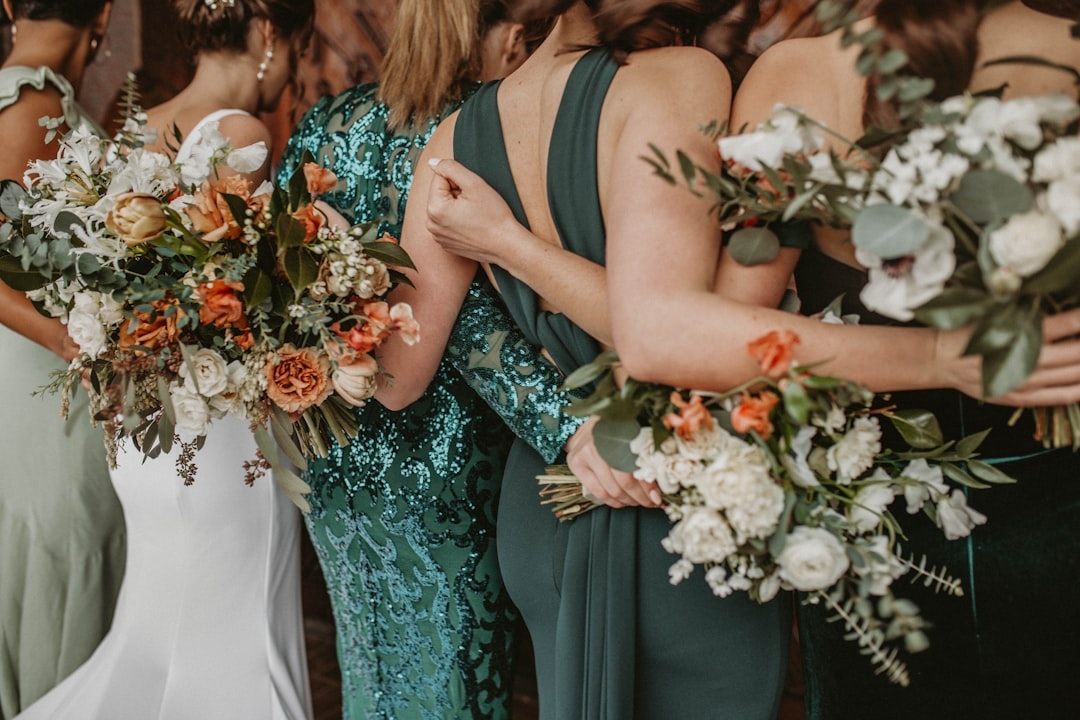
Other 2026 couples take it further with “mismatched” bouquets–each unique, but united by a thread (color, flower type, or ribbon). This reflects each bridesmaid’s style and can be more inclusive for diverse friend groups. Sarah Castro, wedding planner in Dallas, says, “I’ve had brides pick a signature bloom for each maid that nods to their friendship–like a sunflower for a college roommate who’s always upbeat.”
Ways to personalize:
- Bouquet charms or lockets
- Distinctive bouquets for maid/matron of honor
- Varying bouquet shapes or sizes
Practical Flower Choices for the US Market
Top Flower Picks by Region
America’s size and climate diversity mean that the “right” flower varies from California to New England. Here are some 2026 favorites:
- West Coast: Dahlias, anemones, eucalyptus, protea
- South: Garden roses, zinnias, magnolia, lisianthus
- Midwest: Peonies, sunflowers, ranunculus
- Northeast: Hydrangea, tulips, thistle, lilacs (in season)
Durability and Budget
US weddings increasingly take place outdoors, so florists recommend blooms that withstand heat and transport–think succulents, ranunculus, or spray roses. Dried accents (like pampas grass) have gone mainstream, reducing waste and adding textural interest.
Average US pricing for bridesmaid bouquets in 2026:
- Standard (3-5 varieties): $80-120
- Premium/Designer: $150-200
- Eco/Locally sourced: $90-130 (major metro–can be less in rural areas)
How Florists Personalize Bridesmaid Bouquets in 2026
Digital Mood Boards & AI-Assisted Design
Modern florists use platforms like Pinterest, Canva, and now AI-powered apps (BloomVision, launched 2025) to create instant visualizations of color, shape, and size. This speeds up client consultations and leads to more precise results.
Scent and Experience
Bouquets aren’t just visual. Fragrant inclusions (think rosemary or lavender in the bouquet handle) give the wedding party an aromatic memory cue. “Sometimes a little sprig of mint is all it takes for a bouquet to feel transporting,” says Lila Jennings.
Inclusive Choices
Florists now regularly ask about allergies, scent sensitivities, and cultural flower taboos (lilies are avoided for Chinese-American weddings, for example). Personalization means more than style–it’s about making each bouquet safe and meaningful.
Frequently Asked Questions
What flowers hold up best in bridesmaid bouquets for summer weddings?
Flowers like ranunculus, lisianthus, spray roses, and eucalyptus perform well in the US summer heat. Dried accents such as pampas grass or bunny tail also hold up well. Experts recommend avoiding hydrangea or tulips for outdoor July ceremonies due to wilting.
How far in advance should bridesmaid bouquets be ordered in the US?
Most florists recommend booking 4-6 months in advance for prime 2026 dates. For peak wedding months (May-June, September-October), reserve early–popular local growers often book out by January.
Are silk or artificial bridesmaid bouquets popular in 2026?
While fresh flowers remain the gold standard, silk and high-quality “real-touch” artificial bouquets have gained popularity, particularly for destination weddings or allergy concerns. In 2026, about 18% of US weddings feature at least one artificial bouquet, according to The Knot’s annual survey.
Can I mix different styles of bridesmaid bouquets in my wedding?
Absolutely. Mixing styles–such as different colors, sizes, or flower types–has become a signature look for American weddings, especially for nontraditional or bohemian celebrations.
How much do bridesmaid bouquets usually cost in the US in 2026?
Average prices for a professionally designed bridesmaid bouquet range from $80 to $200, depending on location, flower selection, and bouquet complexity. Opting for seasonal US-grown flowers can help ease costs.
Thinking about your own wedding party? Start by collecting images that resonate with you, then have a real conversation with your florist about what feels right for your crew. The best bouquets tell a story–so let yours be as original as the friends holding them.