






Contents:
- Quick Answer: What’s the Best Cutting Garden Plan for the Northeast?
- Why Grow a Cutting Garden in the Northeast?
- Planning Your Northeast Cutting Garden: Essentials for Success
- Site Selection: Sun, Drainage, and Protection
- Must-Have Flowers for the Northeast Cutting Garden
- Layout: Design for Easy Harvest
- Planting Calendar: Timing Is Everything
- Flower Varieties: Proven Winners for the Northeast
- Top Annuals for Cutting
- Must-Grow Perennials
- Flower Foliage & Fillers
- Sourcing Seeds, Bulbs, and Supplies (2026 Update)
- Extending the Season: Early Blooms and Late Frosts
- Tricks for More Blooms
- Dodging Disasters
- Harvesting and Conditioning: Make Your Bouquets Last
- Northeast Cutting Garden FAQs
- How do I start a cutting garden in the Northeast?
- What flowers grow best in Northeast cutting gardens?
- When should I plant cutting flowers in the Northeast?
- How do I keep my cutting garden blooming all season?
- How much does it cost to start a cutting garden in 2026?
- Ready to Harvest Armfuls of Blooms?
Cutting Garden Plan for the Northeast: A Flower Lover’s Guide
Tulips frozen by April snow, peonies unfurling against a backdrop of New England stone walls, and buckets of zinnias crowding your kitchen sink in July. The Northeast’s four seasons are dramatic, and so is the floral bounty you can coax from your own backyard–if you have the right cutting garden plan.
Quick Answer: What’s the Best Cutting Garden Plan for the Northeast?
A successful cutting garden in the Northeast (USDA zones 4-7) blends cool-season stars like tulips, daffodils, and ranunculus, with summer workhorses such as zinnias, cosmos, dahlias, sunflowers, snapdragons, and phlox. The optimal plan puts spring bulbs and hardy annuals at the front, staggered sowings of fast growers in midsummer, and late-season bloomers like asters and chrysanthemums at the back. Choose a site with at least 6 hours of sun, prep well-draining soil with compost, and follow a week-by-week sowing and planting calendar tailored to your last frost date, usually between April 15 and May 20 for most Northeast regions.
Why Grow a Cutting Garden in the Northeast?
In 2026, New England and the Mid-Atlantic are home to a thriving movement of home florists and backyard flower growers. According to the Association of Specialty Cut Flower Growers, over 5,000 new cutting gardens were started in the Northeast alone last year, a 22% increase from 2025. Local, homegrown flowers offer fresher, longer-lasting bouquets compared to standard grocery store fare shipped in from California or Colombia.
Florist Emily Borden, owner of the award-winning Green Apple Blooms in Hudson, NY, puts it this way:
“The joy of stepping outside and snipping a whole armful of scented sweet peas or sun-warmed marigolds is something you just can’t buy at Trader Joe’s.”
Beyond beauty, Northeast gardens support pollinators, reduce floral miles (goodbye, jet lagged roses), and let you enjoy rare or heirloom varieties the big chains never carry.
Planning Your Northeast Cutting Garden: Essentials for Success
Getting started means aligning your plant selections and garden layout to the region’s weather swings and limited frost-free window. Here’s how to stack the deck for blooms from April to November.
Site Selection: Sun, Drainage, and Protection
- Sunlight: At least 6-8 hours of direct sun daily–flowers like zinnias and sunflowers need it to pump out stems.
- Soil: Neutral to slightly acidic (pH 6.0-7.0), loose, and well-drained. Heavy clay? Amend with compost, leaf mold, or aged manure.
- Protection: Windbreaks (like a picket fence or tall hedge) buffer delicate stems. Raised beds or berms work well where spring rains lead to puddles.
Must-Have Flowers for the Northeast Cutting Garden
Mix annuals with perennials, sprinkle in spring bulbs, and you’ll have a nonstop parade of color. Here’s a Northeast-focused cheat sheet:
| Flower | Type | Bloom Season | Special Notes |
|---|---|---|---|
| Tulips | Bulb | April-May | Plant in fall; deer-resistant |
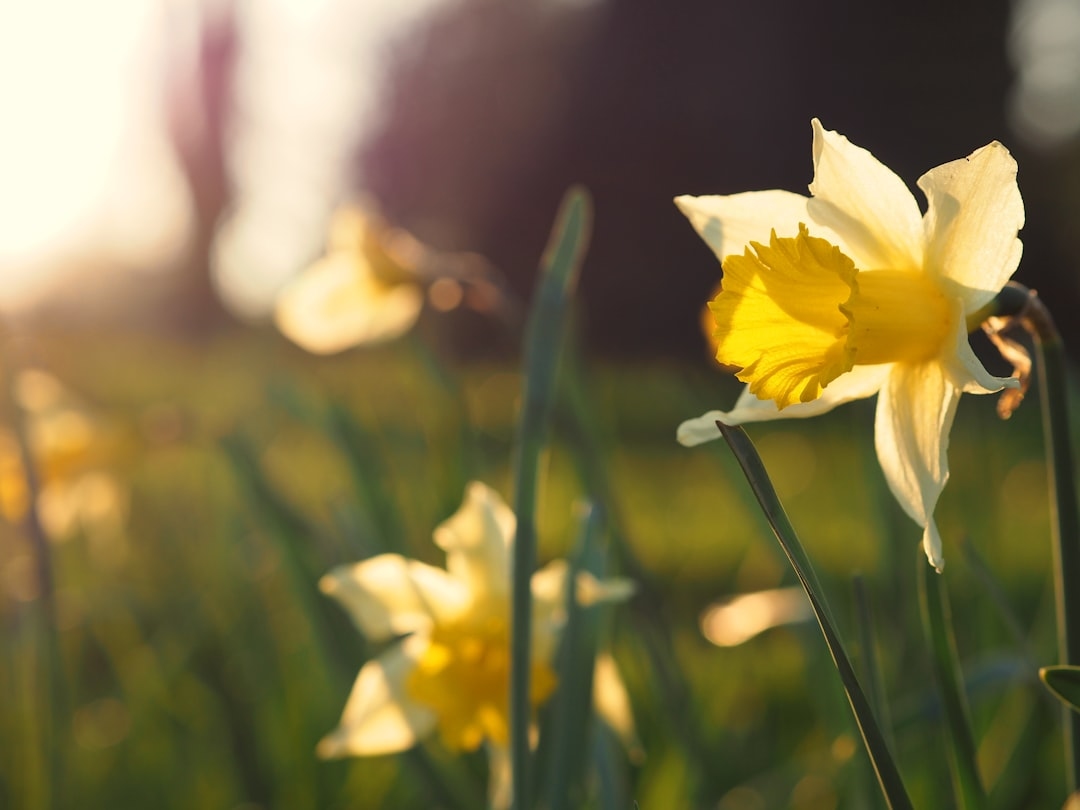
| Daffodils | Bulb | April-May | Naturalizes, good for beginners |
| Ranunculus | Corm | May-June | Needs pre-sprouting indoors |
| Snapdragons | Hardy Annual | May-June | Start inside, can take frost |
| Peonies | Perennial | May-June | Long-lived, set-and-forget |
| Sweet Peas | Annual | May-June | Fragrant, trellis for best results |
| Zinnias | Annual | July-Sept | Direct sow after frost, full sun |
| Dahlias | Tender bulb | July-Oct | Dig up tubers after frost |
| Cosmos | Annual | July-Sept | Tough, free-blooming, loves heat |
| Sunflowers | Annual | July-Sept | Multiple sowings for succession |
| Asters | Perennial | Aug-Oct | Late bloomer, pollinator favorite |
| Chrysanthemums | Perennial | Sept-Nov | Pom-pom shapes, cold-hardy |
Layout: Design for Easy Harvest
Arrange flowers in long, accessible rows (beds 3-4 feet wide work well, paths in between). Group by height, with tall sunflowers and dahlias at the back if your rows face south, shorter plants up front. Interplant with basil, dill, or feverfew for extra filler stems and beneficial insect appeal.
Planting Calendar: Timing Is Everything
Key Dates (adjust for your zone; e.g., Boston is zone 6b, Burlington VT is 5a):
- Fall (Sept-Nov): Plant spring-flowering bulbs (tulips, daffs) before ground freezes.
- Late winter (Feb-Mar): Start hardy annual seeds indoors (snapdragon, sweet pea, larkspur).
- Early spring (April): Direct sow cool-tolerant annuals; plant pre-sprouted ranunculus after danger of hard freezes.
- After last frost (May-June): Set out tender annuals (zinnias, cosmos, sunflowers, dahlias).
Flower Varieties: Proven Winners for the Northeast
Northeast weather can turn on a dime. Sticking with reliable, disease-resistant varieties means more bouquets and less heartbreak.
Top Annuals for Cutting
- Benary’s Giant Zinnias: Stems up to 4 feet, comes in coral, lime, and deep purple–holds in the vase for 10+ days.
- Double Click Cosmos: Fluffy pink and cranberry blooms, keeps producing even in high summer.
- Tower Chamois Asters: Old-fashioned peachy colors, long-lasting.
Must-Grow Perennials
- Sarah Bernhardt Peony: Classic, huge pink blooms–flowers even after harsh winters.
- ‘Jeana’ Phlox paniculata: Mildew-resistant, attracts clouds of butterflies.
- Sheffield Pink Chrysanthemum: In bloom for Halloween, deer generally leave it alone.
Flower Foliage & Fillers
- Apple mint: Adds scent and texture, perfect for quick bouquets.
- Bupleurum: Chartreuse foliage, lasts two weeks in water.
- Queen Anne’s Lace (Ammi majus): Looks like wild carrot but bred for big, sturdy stems.
“Foliage is the unsung hero of a cutting garden. It gives bouquets structure and makes even a handful of stems look intentional,” says Kate Liu, flower farming educator and author of Blooms for Every Season (2025).
Sourcing Seeds, Bulbs, and Supplies (2026 Update)
The US seed boom is still rolling. For Northeast growers, sticking with reputable sources ensures you get healthy, climate-adapted stock:
- Johnny’s Selected Seeds (Maine): Legendary reliability for zinnias, sunflowers, and cool flowers.
- Longfield Gardens: Best selection of affordable bulk tulip bulbs shipped US-wide.
- Fedco Seeds (Maine co-op): Heirloom sweet peas, organic seed, and collective wisdom.
- Floret Seed: Boutique annuals and dahlias, many bred for small-space cutting gardens.
Prices in 2026: Expect to pay $16-$29 for 100 tulip bulbs, $4-$8 per seed packet, and $12-$18 for a dahlia tuber.
For compost and soil amendments, Coast of Maine and Vermont Compost Company are favored by local home gardeners for their sustainable, organic mixes.
Extending the Season: Early Blooms and Late Frosts
Tricks for More Blooms
- Low tunnels: Floating row cover or plastic on hoops lets you start hardy annuals outside 2-3 weeks before last frost. A $35 investment in Agribon or similar material can double your early snapdragon and larkspur blooms.
- Succession sowing: Plant fresh rows of sunflowers and zinnias every 2-3 weeks from late May through July. This keeps vases full all August and September.
- Overwintering: In the milder southern Northeast (Philadelphia, NYC), experiment with fall-sown poppies and ‘Winter Elegance’ sweet peas under protection.
Dodging Disasters
Northeast cutting gardens are occasionally hammered by powdery mildew, Japanese beetles, or late blizzards. Choose disease-resistant varieties. Pick in the early morning, hydrate stems ASAP, and use netting or mesh tunnels to keep deer and rabbits away.
Harvesting and Conditioning: Make Your Bouquets Last
Snip flowers early, before the sun gets hot. Bring a clean bucket of water outside with you. Strip leaves that will sit below the waterline and let stems hydrate for several hours in a cool spot before arranging. For special varieties (like tulips and daffodils), specific handling helps stretches vase life–ex: keep daffodils separate from other flowers for a few hours or their sap can decrease the lifespan of other stems.
Northeast Cutting Garden FAQs
How do I start a cutting garden in the Northeast?
Start by choosing a full-sun site, prepping rich, well-drained soil, and planning for continuous blooms by mixing spring bulbs, hardy annuals, and summer stunners. Use a regionally appropriate last frost date to schedule indoor sowing (late winter for hardy annuals), direct sowing (early spring for cool-tolerant plants), and tender plantings after frost. Group flowers by height and harvest needs for easy picking.
What flowers grow best in Northeast cutting gardens?
Top choices are tulips, daffodils, snapdragons, zinnias, dahlias, cosmos, sunflowers, asters, and chrysanthemums. Include fragrant sweet peas, peonies, and a few filler greens like basil or bupleurum for texture. Pick disease-resistant and cold-hardy varieties suited for USDA zones 4-7.
When should I plant cutting flowers in the Northeast?
Plant spring-flowering bulbs in fall, sow hardy annuals indoors in February-March, direct sow cool annuals in April, and set tender plants outside after your last spring frost (typically May 10-June 1 in most areas). Stagger plantings for ongoing harvests.
How do I keep my cutting garden blooming all season?
Practice succession planting for annuals like sunflowers and zinnias, deadhead spent blooms, add compost to feed plants midseason, and harvest regularly to encourage new growth. Protect early and late crops with row cover or low tunnels as needed.
How much does it cost to start a cutting garden in 2026?
For a 100-square-foot bed, budget $100-$250 for seeds and bulbs, $50-$100 for soil amendments, and $25-$70 for basic tools. Costs vary based on plant choices and whether you grow from seed or purchase starter plants.
Ready to Harvest Armfuls of Blooms?
A tailored cutting garden plan for the Northeast turns your yard into a personal flower market, with buckets of color from April through first frost. Grab a notebook, sketch out your favorites, and order seeds or bulbs early–top varieties sell out fast in January and February. The best time to plant? On the next nice weekend. The best bouquets? The ones you grew yourself.