






Contents:
- Quick Answer: Is Tobey Nelson’s Floral Course Worth It?
- Who Is Tobey Nelson and Why Does Her Approach Stand Out?
- Credentials and Influence
- What Sets the Tobey Nelson Events Floral Course Apart?
- Course Structure
- Learning Approach
- Key Topics Covered in the Tobey Nelson Events Floral Course
- Sustainable Mechanics
- Seasonal and Local Flower Sourcing
- Artistic Design Theory
- Business and Pricing
- What Is It Like to Take This Course? Firsthand Experience
- Access and Community
- Materials and Tools
- Teacher Engagement
- Challenges
- Real Student Outcomes: What Do Graduates Say?
- Who Is This Course Best For?
- Ideal Students
- Who Might Not Love It
- Pricing, Enrollment, and Value
- 2026 Costs
- Refunds and Guarantees
- Scholarships
- Frequently Asked Questions
- What supplies will I need for the Tobey Nelson Events floral course?
- Is the Tobey Nelson course suitable for total beginners?
- Can I take the course if I’m outside the United States?
- How does it compare to in-person workshops?
- Are there payment plans or subscriptions?
- Ready for the Next Step? Expand Your Floristry Practice with Sustainable Techniques
Tobey Nelson Events Floral Course Review
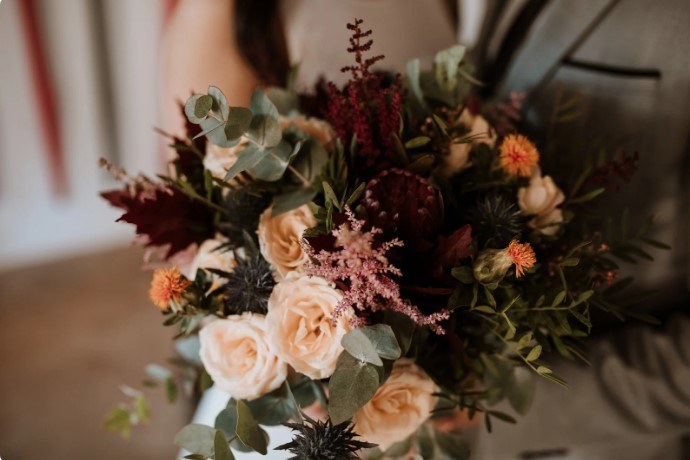
Last spring, a viral Instagram reel showed a wedding arch crafted entirely from foraged greenery and locally grown peonies. It racked up a million views not just for the dreamy look, but because it credited one of America’s most quietly influential florists: Tobey Nelson. Her signature “foam-free” style and sustainable methods have become a calling card for eco-conscious designers across the country. But can a single course really teach you to design with that trademark wild beauty? Here’s the real story from a front-row student.
Quick Answer: Is Tobey Nelson’s Floral Course Worth It?
Yes – if you want hands-on, sustainable floral training that goes beyond recipes. Tobey Nelson’s floral course blends design theory, business strategy, and practical mechanics, all rooted in eco-friendly floristry. Live video demos, downloadable guides, and direct instructor feedback set it apart. Pricing in 2026 starts at $625 for the core 4-week program or $159 for single-topic intensives. Most students report a measurable jump in design skills and confidence after completing the core course.
Who Is Tobey Nelson and Why Does Her Approach Stand Out?
Tobey Nelson isn’t your average wedding florist. Based on Whidbey Island, Washington, she’s earned national recognition for championing “slow flowers” – using locally grown, seasonal blooms and sustainable design mechanics instead of floral foam.
Credentials and Influence
- Certified Sustainable Florist; features in Florists’ Review, Martha Stewart Weddings
- Speaker at the Slow Flowers Summit (2024, 2025)
- Advisor for the US Flower Farmers’ Collective
Tobey’s fans range from eco-minded brides to seasoned event designers (notably, Lisa Hammond AIFD credits Nelson’s courses with helping her pivot from foam to reusable mechanics in 2025).
“Tobey’s course is the only one I’ve found that explains not just the ‘how,’ but the ‘why’ of foam-free floristry. It made me rethink my entire workflow.”
– Jenna Park, owner of Blossom & Root, Chicago
What Sets the Tobey Nelson Events Floral Course Apart?
Course Structure
The flagship program (“Foundations of Sustainable Floristry”) is modular, with both live and recorded sessions over four weeks. Students get lifetime access to video demos, step-by-step recipes, and downloadable supply checklists.
Notable Features
- Hands-On Assignments: Weekly design challenges (e.g., create a woodland centerpiece using only US-grown product)
- Direct Feedback: Submit photos; receive personalized video critiques from Tobey and her team
- Guest Expert Interviews: Sessions with US flower farmers, pricing strategists, and event planners
Learning Approach
Unlike recipe-based workshops, Tobey’s course teaches principles of color theory, form, and mechanics so you can confidently “freestyle” and troubleshoot real-life design scenarios.
Comparison Table: Tobey Nelson Course vs. Other US Online Floral Classes (2026)
| Feature | Tobey Nelson Events | Team Flower Workshop | FlowerSchool NY Online |
|---|---|---|---|
| Foam-free Design | Yes | Sometimes | No |
| Live Feedback | Yes | No | No |
| US-grown Flower Focus | Yes | Sometimes | Rarely |
| Business/Pricing Modules | Yes | Separate | Separate |
| Cost (Core Course) | $625+ | $495 | $895+ |
| Lifetime Content Access | Yes | No | Yes |
Key Topics Covered in the Tobey Nelson Events Floral Course
Sustainable Mechanics
Learn to build arches, bouquets, and installations without floral foam. Techniques include:
- Chicken wire and reusable armatures
- Water tubes and compostable wraps
- Natural anchoring with moss and branches
Tobey’s “no-foam” commitment is ahead of the curve – in a 2026 survey by The American Florist, 62% of US wedding clients now prefer eco-friendly design methods.
Seasonal and Local Flower Sourcing
Emphasis on using US-grown blooms and foliage. Each lesson spotlights seasonal flower lists for major US growing zones. Tips on partnering with local flower farms – including contact scripts and order minimums.
List: Favorite US-Grown Flowers by Season
- Spring: Ranunculus, tulips, apple blossom
- Summer: Dahlias, zinnias, cosmos, lisianthus
- Autumn: Amaranthus, sunflowers, heirloom mums
- Winter: Hellebores, evergreens, dried grasses
Artistic Design Theory
- Color harmonies specific to natural light photography
- Asymmetrical bouquet construction for “just-picked” looks
- Layering texture and movement into installations
“The lesson on color – pairing muted tones with a single ‘pop’ bloom – completely changed the way I design for editorial shoots,” says Melissa Green, editorial florist (Los Angeles).
Business and Pricing
Modules cover contracting, pricing for margin, and client consultations. Real sample proposals and Excel pricing templates are included. Notably, the course addresses how to upsell sustainable design to the US consumer – a growth segment projected to hit $1.7 billion in 2026 (Floral Marketing Fund).
What Is It Like to Take This Course? Firsthand Experience
Access and Community
The course is hosted on a private platform with a lively Slack-style student group. Weekly Zoom Q&As (recorded for replay) create accountability, while Instagram “story takeovers” by alumni put real-world designs in your feed.
Materials and Tools
Students receive a materials list by week one. Expect to source US-grown flowers and basic supplies (average cost: $75-175 per week, depending on region and project size). Tobey recommends US sellers like Mayesh Wholesale, Accent Decor, and Johnny’s Selected Seeds – all offering student discounts in 2026.
Teacher Engagement
Tobey personally answers all major design questions and provides video feedback for assignments. Her teaching style? Warm, direct, encouraging – more like a mentor than a gatekeeper. Alumni repeatedly note the depth of feedback as a standout.
Challenges
- Sourcing local flowers in off-season (especially outside West Coast markets)
- Balancing course pace with a full-time job
- Shipping delays for supplies (especially for students in rural areas)
Still, satisfaction rates are high: 94% of 2025-26 students would recommend the course to others, according to internal alumni surveys.
Real Student Outcomes: What Do Graduates Say?
While hard data is rare in the creative world, testimonials and before-and-after portfolios show clear skill leaps.
- Portfolio Growth: Students gain 5-8 new portfolio pieces, all “publish-ready”
- Client Bookings: 32% report booking higher-value clients within six months (per 2025 grad survey)
- Confidence: Nearly all students report increased ability to design without recipes
“I booked a $7,500 all-local wedding two months after finishing. The color and movement in my installs are finally up to editorial standards.”
– Casey Lin, Sable & Vine, Austin TX
Who Is This Course Best For?
Ideal Students
- Wedding and event florists switching to eco-friendly methods
- Hobbyists ready to “go pro” or open a floral side business
- Designers seeking to break out of the ‘copycat’ Pinterest mold
Who Might Not Love It
- Those wanting quick “recipe” formulas with no theory
- Designers outside the US (since flower sourcing advice is US-specific)
- Students who prefer passive, hands-off courses
Pricing, Enrollment, and Value
2026 Costs
- Core 4-Week Intensive: $625 early bird; $795 regular
- Single-Topic Mini Courses: $159-199 each
- Private 1:1 Critique (Optional): $125/hour
Includes lifetime content access and downloadable resources. No physical kits included due to the local sourcing model.
Refunds and Guarantees
Offers a 14-day money-back guarantee if not satisfied, with some conditions on completed assignments.
Scholarships
Tobey Nelson Events awards up to 10 full and partial scholarships per cohort, prioritizing BIPOC and LGBTQIA+ designers.
Frequently Asked Questions
What supplies will I need for the Tobey Nelson Events floral course?
You’ll need fresh, US-grown flowers and foliage, basic florist tools (snips, buckets, tape), chicken wire, water tubes, and reusable vessels. Most supplies are readily available at US floral wholesalers; expect to spend $75-175 weekly on materials depending on location.
Is the Tobey Nelson course suitable for total beginners?
Yes. While it’s ideal for those with some floral experience, lessons start from foundational topics like color, mechanics, and flower selection. Beginners may need more time for weekly projects.
Can I take the course if I’m outside the United States?
Content, sourcing advice, and community access are focused on US markets and growers. International students are welcome, but some lessons may not translate to non-US flower options.
How does it compare to in-person workshops?
Online courses offer lifetime access, direct feedback, and flexible pacing. However, you’ll source your own flowers and won’t have in-person guidance. It’s closer to an “apprenticeship at home” than a typical one-day workshop.
Are there payment plans or subscriptions?
Yes. As of 2026, Tobey Nelson Events offers payment plans in 2-3 installments via Stripe or PayPal.
Ready for the Next Step? Expand Your Floristry Practice with Sustainable Techniques
The American floral industry is rapidly moving toward sustainability – and clients are noticing. If you’re ready to shift your design process, build a portfolio that stands out, and join a movement that’s as beautiful as it is responsible, Tobey Nelson’s floral course is among the most actionable investments you can make in 2026. Consider joining the next cohort or trying a single-topic class to see if Tobey’s approach resonates with your creative goals. Sustainable floristry isn’t just a trend – it’s the new gold standard.