








Contents:
- Is Sending Flowers to a Platonic Friend a Mixed Signal?
- The Unspoken Language of Flowers in Friendships
- When Flowers Spark Confusion
- Pull-quote:
- Best Flowers for Platonic Friends (and Which to Avoid)
- Wording Matters: What to Write On the Card
- Gender, Culture, and Changing Norms in 2026
- Male-to-male and Male-to-female Flower Gifting
- Culture and Family Background
- When Flowers Are a Mixed Signal: Real-World Examples
- How to Send Flowers Without Sending Mixed Messages
- US Flower Delivery Services: Platonic-Friendly Options
- FAQ: Sending Flowers to Friends
- Can you send flowers to a platonic friend without it being romantic?
- What flowers are safest to send to avoid mixed signals?
- Is it weird for a guy to send flowers to a female friend?
- What should I write on the card for a platonic bouquet?
- Can flowers ever damage a friendship?
Flowers to a Platonic Friend – Mixed Signal?
Last Valentine’s Day, more than $2.8 billion was spent on flowers in the US alone, according to the National Retail Federation. But while red roses might scream romance, what about sending blooms to a friend? Does gifting flowers cross a line, or can it truly be platonic? Let’s unravel what your next bouquet might really say–and how to make sure it sends exactly the message you intend.
Is Sending Flowers to a Platonic Friend a Mixed Signal?
Short answer: Not necessarily. In American culture, giving flowers to a platonic friend is generally seen as a warm gesture of appreciation or celebration–unless the flowers or the delivery style suggest strong romantic intent. The meaning often depends on flower choice, color, accompanying message, and context.
The Unspoken Language of Flowers in Friendships
Flowers have always carried meaning. In 2026, sending a bouquet isn’t reserved for lovers–especially with millennial and Gen Z trends toward sharing self-care gifts, “just because” surprises, and tokens of appreciation.
But missteps do happen. According to Rebecca Solis, lead designer at Seattle’s Bloom Avenue (15+ years in floral design), “About a third of our friendship orders come with clarification notes, like ‘purely platonic!’ or ‘thanks for being you.’ People want their intentions to be crystal clear.”
When Flowers Spark Confusion
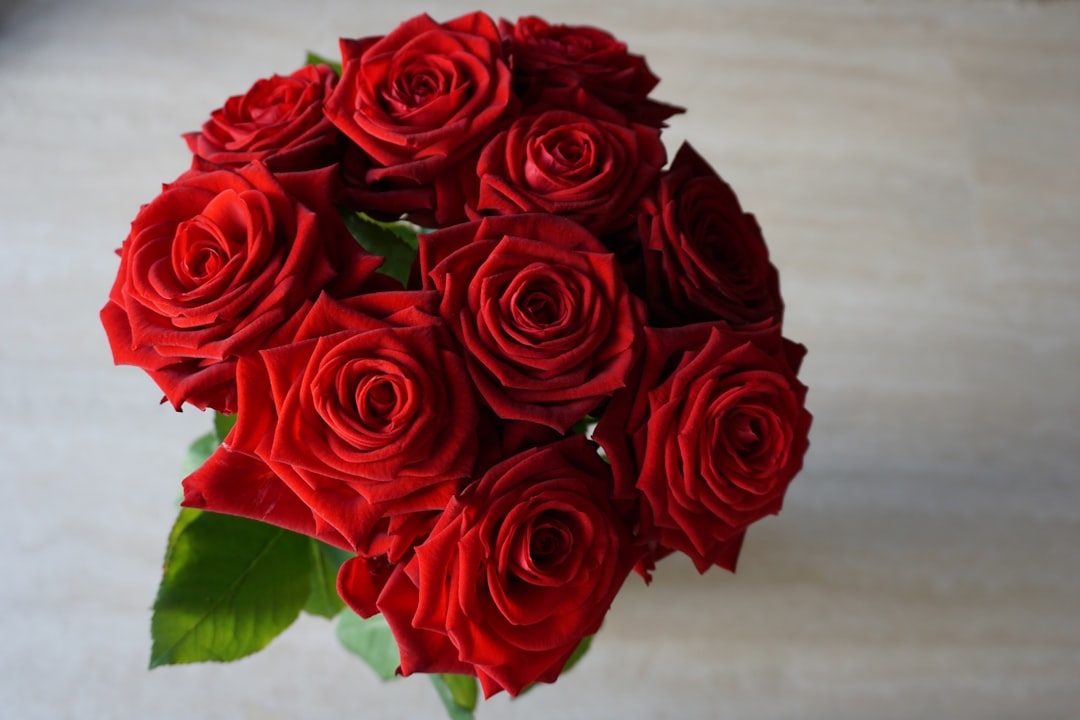
- Classic red roses are loaded with romantic symbolism.
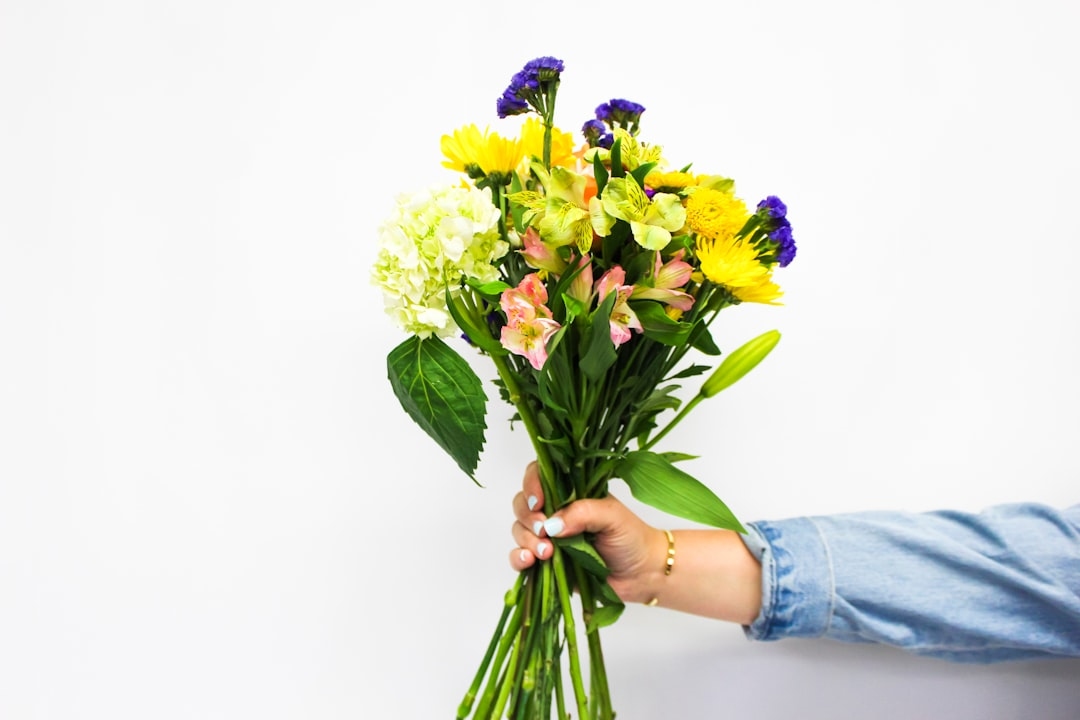
- Mixed wildflowers, sunflowers, or cheerful daisies tend to read as joyful or appreciative, not romantic.
- Presentation plays a big role. Handing over a bouquet in person feels more personal (and potentially more loaded) than a group delivery or a desk drop at work.
Pull-quote:
“It’s not just the flower; it’s the message you send with it.”
– Rebecca Solis, Bloom Avenue
Best Flowers for Platonic Friends (and Which to Avoid)
Choosing blooms is half the battle. Here’s a quick guide to keeping things friendly:
| Flower Type | Platonic Signal | Romantic Signal | Notes |
|---|---|---|---|
| Red Roses | ❌ | ✅ | Strong romance connotation |
| Pink Carnations | ✅ | ❌ | Symbolize gratitude, admiration |
| Yellow Tulips | ✅ | ❌ | Bright, cheerful, friendly |
| Sunflowers | ✅ | ❌ | Joy, loyalty, positivity |
| Mixed Daisies | ✅ | ❌ | Innocence, playfulness |
| Lilies (White) | ✅ | ❌ | Purity, encouragement |
| Orchids | ➖ | ➖ | Exotic, can go either way |
| Red Peonies | ❌ | ✅ | Often romantic in meaning |
Pro tip: For a just-friends occasion, opt for bright colors, playful blooms, and avoid anything “valentiney” (deep reds, only roses).
Wording Matters: What to Write On the Card
That tiny note packs a punch. “All the ambiguity comes down to your message,” says Dr. Linda Harper, relationship psychologist and author of Friendship First (2024).
Avoiding mixed signals is all about context and clarity. Here are some safe, platonic options for a card:
- “Thanks for always being there!”
- “Happy Friendiversary!”
- “Remember to treat yourself–you deserve it.”
- “Just a little pick-me-up for your week.”
Compare these to romantic lines, which focus on admiration, longing, or affection (“Thinking of you always,” “My heart is yours,” etc.).
A direct “So grateful for your friendship” leaves no doubt.
Gender, Culture, and Changing Norms in 2026
In the US, sending flowers between friends has lost much of its romantic edge over the past decade. Survey data from YouGov (2026) shows that 63% of Americans under 40 have sent or received flowers platonically in the last year. That’s nearly double the rate from 2016.
Male-to-male and Male-to-female Flower Gifting
- Male-to-male flower-giving is less common, but rising–especially among younger men.
- Male-to-female: Some women may wonder if there’s romantic undertone, especially if it’s just the two of you or on dates tied to romance (Valentine’s Day, birthdays).
Culture and Family Background
Some cultures attach more meaning to flower color, species, or numbers (for example, in some Asian cultures, a single flower may suggest singular affection). When in doubt, consider your friend’s background or simply clarify your intent.
When Flowers Are a Mixed Signal: Real-World Examples

Here are a few scenarios that could muddy the waters:
- Red Roses on Valentine’s Day: Even if you say “no romantic intent,” the symbolism is strong.
- Daily Flowers: Repeated bouquets, especially with personal messages, may signal growing personal interest.
- Secret Admirer-Style Delivery: Anonymous or cryptic deliveries invite speculation.
“We see it at least once a season–a friend sends a bouquet as a cheer-up gift, but chooses red roses and writes ‘You’re amazing!’ The recipient almost always calls us for clarification,” says Marcus Lee, customer care manager at PetalDash (NY-based flower delivery).
How to Send Flowers Without Sending Mixed Messages
Here’s a quick checklist to keep things clear:
- Pick a clearly platonic bouquet (see table above).
- Choose a neutral delivery date (avoid Valentine’s, anniversaries, etc).
- Be direct in your card about your appreciation or friendship.
- Consider context–one-on-one versus group setting.
- If in doubt, clarify: add a line in the note like “For my favorite friend!”
US Flower Delivery Services: Platonic-Friendly Options
Several US companies have caught on to the trend. As of 2026, these offer easy “just because” or “thank you” bouquets, often with fun, friend-centric messages:
- UrbanStems ($45-65): Offers “BFF” and “You Rock!” arrangements, with same-day delivery in most cities.
- Bouqs Co. ($39-89): Customizable “Thinking of You” collections, lots of sunflowers and mixed wildflowers.
- 1-800-Flowers: Classic “Friendship Bouquets” with add-ons like coffee or self-care kits.
Some even let you add non-traditional items like succulents, chocolates, or plushies for added clarity (and fun).
FAQ: Sending Flowers to Friends
Can you send flowers to a platonic friend without it being romantic?
Yes. As long as you choose non-romantic flowers, use a friendly message, and avoid traditionally romantic occasions, flowers are a great way to show appreciation to a platonic friend.
What flowers are safest to send to avoid mixed signals?
Yellow tulips, sunflowers, daisies, white lilies, and pink carnations are all widely seen as friendly and platonic choices in the US.
Is it weird for a guy to send flowers to a female friend?
Not at all. Just pick playful, non-romantic blooms and add a clearly platonic card message. US attitudes towards flower-giving have become much more relaxed and inclusive in the past decade.
What should I write on the card for a platonic bouquet?
Consider phrases like: “Thanks for being an awesome friend!” or “Just a little sunshine for your day.” Clear appreciation, not affection, is key.
Can flowers ever damage a friendship?
Rarely, but confusion can happen if the intent isn’t clear, especially if there’s pre-existing tension or romantic uncertainty. If your friend seems surprised, just explain your true intention.
So go ahead–brighten your friend’s day with blooms, loud and proud! The next time you order a bouquet, pick happy flowers, write your message with care, and know you’re part of a trend that’s making friendship a little more colorful in 2026.