





Contents:
- The Quick Answer: There Are Over 300 Recognized Hibiscus Species
- What Makes a Hibiscus a “Variety”?
- The Big Three: Species Dominating US Gardens
- Hibiscus rosa-sinensis (Tropical Hibiscus)
- Hibiscus syriacus (Rose of Sharon)
- Hibiscus moscheutos (Hardy Hibiscus / Swamp Rose Mallow)
- The Numbers Game: From Species to Cultivars
- Species
- Cultivars and Hybrids
- Hibiscus Around the Globe: Not Just for the Tropics
- Global Hotspots for Hibiscus Diversity
- Cultural and Practical Uses
- Why So Many Hibiscus Varieties Exist
- Natural Diversity
- Human Breeding
- Climate Adaptation
- Buying, Growing, and Spotting Hibiscus in the US
- Where to Shop
- Garden Tips
- Hibiscus in American Floristry: Trends for 2026
- FAQ: Hibiscus Varieties and Growing Tips
- How many different hibiscus species are there worldwide?
- What’s the difference between species, cultivars, and hybrids?
- Can I grow tropical hibiscus outdoors in the northern US?
- Are all hibiscus flowers edible?
- Why do hibiscus flowers only last a day or two?
- Ready to Find Your Next Hibiscus Favorite?
How Many Varieties of Hibiscus Actually Exist?
There’s a big, showy hibiscus bloom peeking over almost every fence in Florida. Meanwhile, Korean and Hawaiian cafes serve bright red hibiscus teas, and Texas gardeners swap stories about heat-loving Rose Mallow. Hibiscus isn’t just one flower–it’s a sprawling, complex family that brightens up homes, gardens, and even dinner tables across the US. But just how many varieties of hibiscus actually exist? The answer might surprise even seasoned plant lovers.
The Quick Answer: There Are Over 300 Recognized Hibiscus Species
If you just want numbers: There are about 300 to 400 recognized species in the Hibiscus genus, according to the Royal Horticultural Society and major botanical databases as of 2026. On top of that, breeders and hobbyists have developed thousands of cultivars and hybrids–estimates go as high as 8,000 or more. The most popular species for American gardeners and florists are Hibiscus rosa-sinensis (tropical hibiscus), Hibiscus syriacus (Rose of Sharon), and Hibiscus moscheutos (hardy hibiscus or swamp mallow).
“Every year brings dozens of new hibiscus hybrids to market, especially in states with big gardening communities like Florida, California, and Texas.”
– Clara Ramirez, Lead Horticulturist, Houston Botanic Garden
What Makes a Hibiscus a “Variety”?
The term “varieties of hibiscus” can mean several things. Botanically, it refers to naturally occurring species and subspecies. In gardening, it includes cultivated varieties (“cultivars”), hybrid crosses, and even different flower forms bred for specific traits.
Here’s a quick breakdown:
- Species: Wild hibiscus types found in nature, like H. rosa-sinensis or H. syriacus.
- Cultivars: Named garden varieties bred for features like color, size, or cold-hardiness. Example: ‘President’ (red blooms, common in florists).
- Hybrids: Crosses between two species, often created for performance or unique blooms.
In the US, most hibiscus bought for floristry, landscaping, or home growing are cultivars or hybrids designed for local climates and tastes.
The Big Three: Species Dominating US Gardens
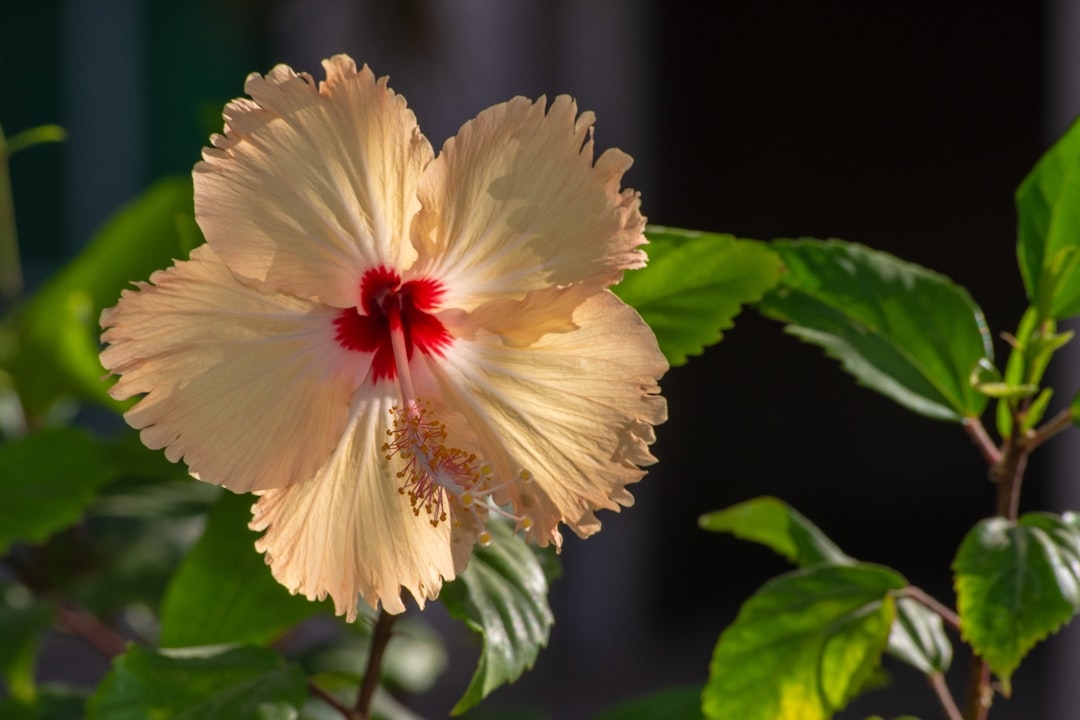
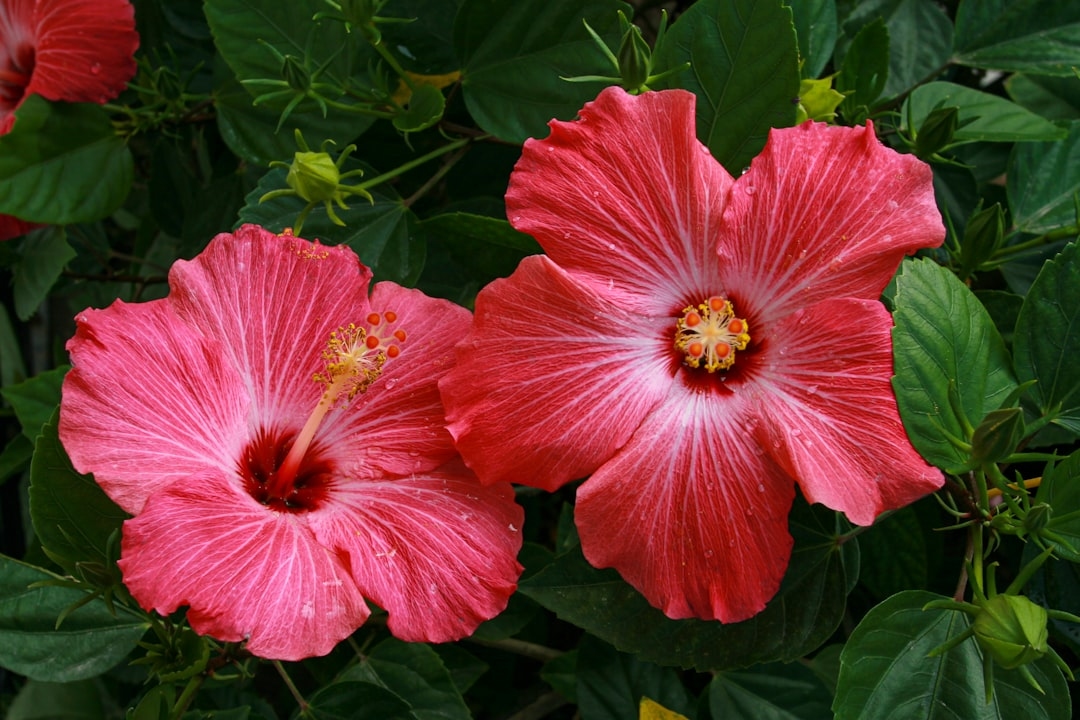
Hibiscus rosa-sinensis (Tropical Hibiscus)
- Origin: Asia (China, India, Southeast Asia)
- US Range: Best outdoors in USDA zones 9-11; often grown in pots elsewhere.
- Flower Size: Up to 8 inches across!
- Colors: Red, pink, orange, yellow, and multicolored.
Florists love tropical hibiscus for its dramatic, almost cartoonish petals. If you buy a hibiscus bouquet online from services like 1-800-Flowers or UrbanStems, you’re likely seeing a rosa-sinensis cultivar.
Hibiscus syriacus (Rose of Sharon)
- Origin: East Asia
- US Range: Thrives in zones 5-9, making it popular as far north as the Midwest.
- Flower Size: 2-4 inches, smaller than tropical types.
- Colors: White, pink, purple, blue-lavender.
This is the tough, shrub-like hibiscus lining old-fashioned American sidewalks. Gardeners love it for its winter hardiness and the sheer variety–over 150 named cultivars available in US nurseries as of 2026.
Hibiscus moscheutos (Hardy Hibiscus / Swamp Rose Mallow)
- Origin: North American wetlands.
- US Range: Zones 4-9, among the most cold-hardy.
- Flower Size: Giant blooms, 6-12 inches across.
- Colors: Primarily white, pink, red–often with dramatic central “eye”.
You’ll spot these in southern gardens, wildflower patches, even around Illinois and Maryland lakeshores. The cultivars ‘Luna Red’ and ‘Disco Belle Pink’ are US nursery favorites, especially for pollinator gardens.
The Numbers Game: From Species to Cultivars
Species
Globally recognized hibiscus species (2026):
Between 300 and 400, per Kew Royal Botanic Gardens’ “Plants of the World Online.”
Key species in American horticulture:
| Species Name | Common Name | Main Use | USDA Zones |
|---|---|---|---|
| Hibiscus rosa-sinensis | Tropical Hibiscus | Floristry, pots | 9-11 |
| Hibiscus syriacus | Rose of Sharon | Landscaping | 5-9 |
| Hibiscus moscheutos | Hardy Hibiscus | Garden borders | 4-9 |
| Hibiscus acetosella | Red Leaf Hibiscus | Foliage, culinary | 8-11 |
Cultivars and Hybrids
- Worldwide registered cultivars: ~8,000 (International Hibiscus Society, 2026)
- New US releases/year: 50-100, especially in states with active breeding programs.
Popular US cultivars in 2026:
- ‘Painted Lady’ (Tropical, multi-toned petals)
- ‘White Chiffon’ (Rose of Sharon, double white flowers)
- ‘Midnight Marvel’ (Hardy, deep red blooms with dark foliage)
- ‘Fiesta’ (Double pink, tropical type)
“Variety is the soul of hibiscus. Walk any major US garden center in spring, and you’ll spot at least 20 hibiscus cultivars vying for attention.”
– Dr. Ethan Maddox, Plant Breeder, University of Florida
Hibiscus Around the Globe: Not Just for the Tropics
Hibiscus isn’t confined to steamy climates–though that’s where it shines brightest. The genus ranges from rugged shrubs in the Middle East to shrubby mallows in US wetlands and dainty wildflowers in African grasslands.
Global Hotspots for Hibiscus Diversity
- Southeast Asia: Home to many wild species, including ornamental ancestors.
- Australia: Contains dozens of native species, some highly endangered.
- North America: Several native species, especially in the Southeast and Midwest.
Cultural and Practical Uses
- Tea and Cuisine: Hibiscus sabdariffa (roselle) is the basis of hibiscus tea, “agua de jamaica,” and even US-made dried flower snacks.
- Textiles: Fibers from some African and Pacific species are woven and used for rope.
- Symbolism: The yellow hibiscus is Hawaii’s state flower; hibiscus is also a national symbol in South Korea and Malaysia.
Why So Many Hibiscus Varieties Exist
Natural Diversity
Mother Nature loves a good experiment. Hibiscus species adapted to everything from marshes to dusty roadsides. In the US, native species like H. laevis and H. coccineus (scarlet rose mallow) thrive in wild habitats that would wilt other blooms.
Human Breeding
- Hybridization: Gardeners started crossing hibiscus species in earnest in the late 19th century. By the 1950s, American breeders unlocked sky-blue and near-black flower tones, previously unheard of.
- Patent and Brand Variety: As of 2026, you’ll spot branded lines like Proven Winners’ “Summerific” hardy hibiscus ($25-$35 per plant in US garden centers), each with trademarked varieties.
Climate Adaptation
Efforts in Texas and California have produced drought-tolerant hibiscus. Florida’s big nurseries, like Costa Farms, churn out cold-sensitive, vividly colored hybrids designed for patios and porches.
Buying, Growing, and Spotting Hibiscus in the US
Where to Shop
- Big-box retailers: Lowe’s, The Home Depot, Walmart (seasonal stock, $10-$40 per plant)
- Local nurseries: Specialize in region-appropriate varieties and rarer hybrids.
- Florists: Most focus on tropical types for arrangements. Rose of Sharon and hardy hibiscus are less common in floristry but prized in landscaping.
Garden Tips
- Pick for your zone: Don’t try a tropical hibiscus outdoors in snowy climates.
- Watch for pests: Aphids and whiteflies love hibiscus as much as we do.
- Prune for shape: Especially with Rose of Sharon, pruning encourages more blooms and a tidier shrub.
Hibiscus in American Floristry: Trends for 2026
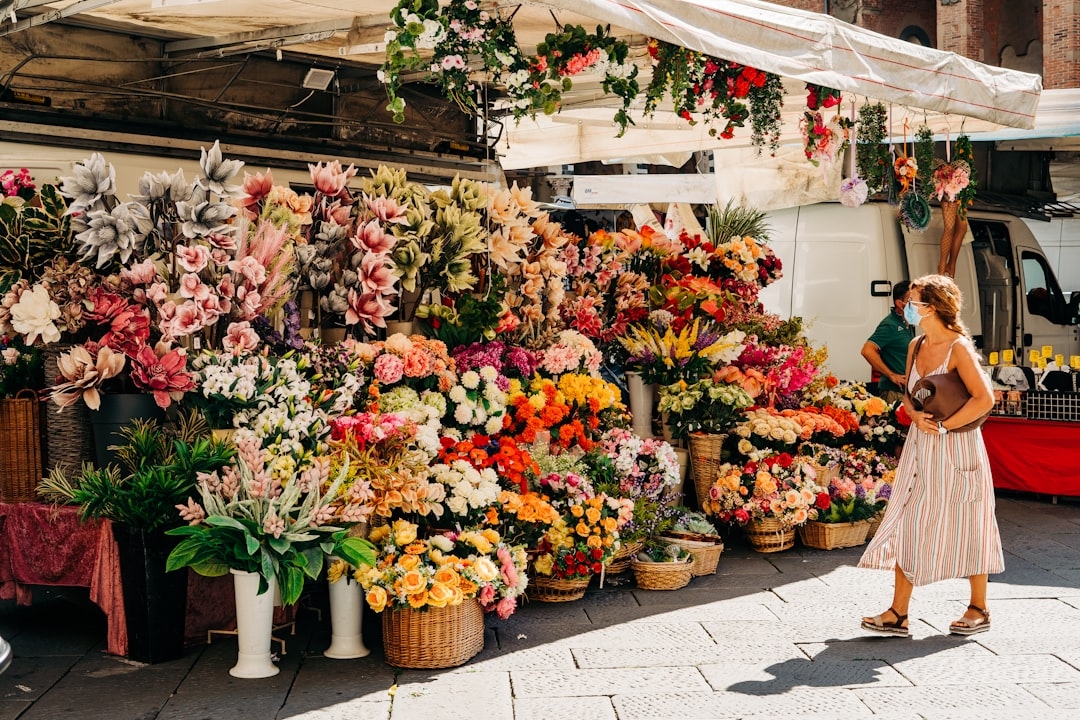
Florists report increased demand for bold, tropical-looking arrangements. According to Julie Sung, owner of SunBlossom Flowers in LA, “Hibiscus is on trend for everything from wedding arches to sustainable bouquets, especially with the ‘backyard garden’ look.”
- Popular uses:
- Centerpieces for summer events
- Paired with monstera leaves and peonies
- Dried hibiscus petals in edible arrangements
Delivery services like Bouqs and UrbanStems now source US-grown hibiscus during peak season, shipping stems overnight (prices: $45-$80 per arrangement).
FAQ: Hibiscus Varieties and Growing Tips
How many different hibiscus species are there worldwide?
There are between 300 and 400 recognized species of hibiscus, according to leading botanical databases as of 2026.
What’s the difference between species, cultivars, and hybrids?
- Species are wild types found in nature.
- Cultivars are named varieties bred for gardens, each with unique features.
- Hybrids are crosses between species, often grown for specific color or hardiness traits.
Can I grow tropical hibiscus outdoors in the northern US?
Only in summer; tropical hibiscus (H. rosa-sinensis) needs warm conditions and will die if exposed to frost. In the Midwest or Northeast, keep them in pots and bring indoors for winter.
Are all hibiscus flowers edible?
No. While H. sabdariffa (roselle) is widely used for tea and culinary uses, not all hibiscus species are considered safe to eat. Always check the variety before consuming.
Why do hibiscus flowers only last a day or two?
Most hibiscus blooms, especially tropical types, are ephemeral by nature. Some last just one day, but the plant produces new flowers continuously throughout the season.
Ready to Find Your Next Hibiscus Favorite?
With over 300 species and thousands of cultivars, hibiscus offers something for every gardener–from window-box amateurs to professional florists. Visit your local nursery this season. You might spot a new variety that no one on your block has seen yet. And who knows? That show-stopping bloom could be the start of your next great plant obsession.