







Contents:
- How Do You Preserve Flowers in Resin? (Featured Snippet)
- Why Preserve Flowers in Resin?
- Advantages Over Other Methods
- Getting Started: Supplies and Prep
- What You Need
- Choosing and Preparing Flowers
- Resin Flower Preservation: Step-by-Step Instructions
- Mix and Pour the Resin–Slowly!
- Pour a Base Layer
- Place the Flowers
- Remove Bubbles
- Cure and Demold
- Polish and Display
- Troubleshooting & Tips from the Pros
- Resin Flower Preservation vs. Other Memory Keepsakes
- Where To Get Resin Flower Preservation Done (U.S.)
- FAQs About Resin Flower Preservation
- How long do resin-preserved flowers last?
- Can I preserve my wedding bouquet in resin at home?
- Will flowers lose their color in resin?
- Is epoxy resin safe to use indoors?
- Can you reuse molds for resin flower preservation?
Resin Flower Preservation: The Complete How-To Guide for Keeping Blooms Beautiful
Picture this: Your wedding bouquet, aglow with spring peonies and garden roses, frozen forever in a crystal-clear block–no dust, no crumbling petals, just pure, unfiltered beauty. In the past three years, searches for “resin flower preservation” have jumped over 160% on Google Trends (source: FloristryData, 2026). People aren’t just drying or pressing flowers anymore–they’re encasing them in art.
How Do You Preserve Flowers in Resin? (Featured Snippet)
To preserve flowers in resin, follow these steps:
- Fully dry your flowers using silica gel or air drying.
- Seal dried blooms with a clear spray or resin to prevent discoloration.
- Mix and pour epoxy resin into a mold, placing flowers carefully as you fill in layers.
- Let the resin cure fully (typically 24-72 hours).
- Sand and finish the block for smooth edges.
Preserving flowers in resin keeps them vivid and safe from moisture, damage, and fading for decades.
Why Preserve Flowers in Resin?
People preserve flowers to hold onto special moments: weddings, graduations, memorials, or just a garden at its late-summer peak. Compared to drying or pressing, resin does more than freeze time–it creates a three-dimensional, glassy showcase.
“Encasing in resin is the best way to preserve full color and shape. Your bouquet looks nearly as perfect as the day you picked it,” says Madison Lee, certified floral designer and founder of Everbloom Studios in Austin, Texas.
Advantages Over Other Methods
| Preservation Method | Longevity | Color Retention | 3D Shape | Difficulty | Approx. Cost (USD) |
|---|---|---|---|---|---|
| Air Drying | 1-3 yrs | Fades | Yes | Low | <$10 |
| Pressing | 3-10 yrs | Fades | Flat | Low | <$10 |
| Silica Gel Drying | 5-15 yrs | Good | Yes | Moderate | $20-$50 |
| Resin Encasing | 25+ yrs | Excellent | Yes | Moderate | $30-$150 |
Resin preservation is more upfront work than air drying, but the results are in a class of their own–especially for statement pieces.
Getting Started: Supplies and Prep
What You Need
Essentials:
- Crystal-clear epoxy resin (brands: ArtResin, Dr. Crafty, or Pro Marine)
- Resin mixing cups & wood stirring sticks
- Silicone mold (block, heart, sphere, or tray shapes; $10-$40 on Amazon or Michaels)
- Dried flowers
- Disposable gloves & mask
- Tweezers
- Sandpaper or micro-mesh pads
- (Optional) UV-resistant clear spray or Mod Podge sealer
Total starter cost in the US: Around $50-$120 for a basic setup.
Choosing and Preparing Flowers
Choose small- to medium-sized blooms (think spray roses, delphinium, pansies). Thick flowers like peonies can be used but may trap air bubbles.
Drying Tips:
- Silica gel drying is fastest and best for color: Submerge blooms in a sealed container with silica gel ($15 at Michaels/Jerry’s Artarama) for 3-7 days.
- Air drying works for hardy flowers like statice or baby’s breath, but expect some fading.
- Never use fresh flowers–they’ll rot and ruin the resin.
After drying, lightly brush off any silica. Spray blooms with a matte sealer (Krylon’s Clear Sealer, $8) to help prevent resin from penetrating and causing translucency or browning.
Resin Flower Preservation: Step-by-Step Instructions
1. Mix and Pour the Resin–Slowly!
Always follow the resin manufacturer’s ratio (usually 1:1 or 2:1 by volume). Stir gently for at least 3 minutes to avoid bubbles.
Pro Tip: Warm your resin bottles in hot water for 10 minutes before mixing to thin the resin–this minimizes bubbles.
2. Pour a Base Layer
Pour a thin resin layer into your mold (just enough to cover the bottom). Let it sit for about 20 minutes. This creates a clear, bubble-free foundation for your flowers.
3. Place the Flowers
Arrange your dried, sealed flowers face-down in the mold using tweezers. For large bouquet keepsakes, plan your layout ahead–snap a reference photo.
Layering:
Resin works best in layers to avoid heat buildup and bubbles. Pour just enough to cover the flowers. For deep molds, let each layer cure 6-8 hours before pouring more.
4. Remove Bubbles
Use a kitchen torch or heat gun on low, 2-3 inches above the resin. Move quickly to pop surface bubbles. Check every 10-20 minutes for the first hour.
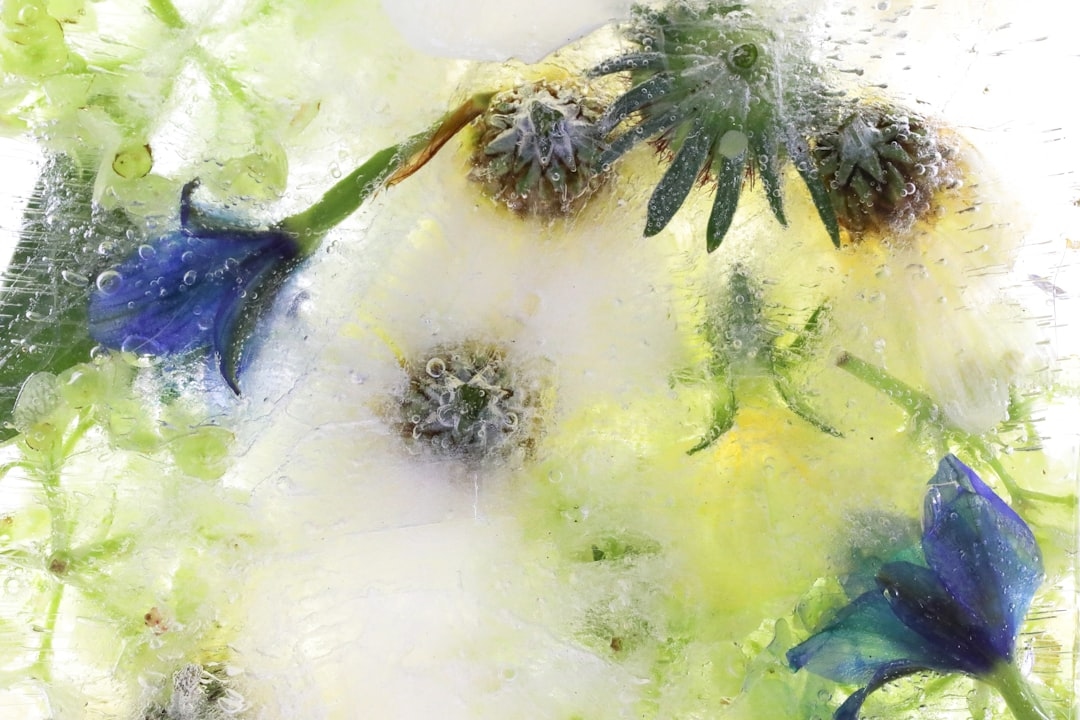
5. Cure and Demold
Let the resin cure in a dust-free space. Most epoxies require 24-72 hours. Don’t rush this–handling too soon can dull the finish or warp your art.
When fully cured, flex the mold to release your block. If edges are rough, sand gently (start with 400 grit, work up to 2000).
6. Polish and Display
For a glass-like finish, polish the surface using a microfiber cloth and plastic polish (like Novus #2, $8).
Display away from direct sunlight to prevent any long-term yellowing.
Troubleshooting & Tips from the Pros
Common Pitfalls–And How to Fix Them:
- Bubbles:
Use resin warm, and always pour in layers. For stubborn bubbles inside petals, “Pre-sealing is game-changing,” says Luis Martin, preservation artist (San Diego). “I dip each flower in a thin resin layer, let it cure, then embed it.” - Yellowing:
Opt for resins labeled “UV-resistant” (ArtResin, Ecopoxy). Even these should be kept out of direct light. - Color Bleeding:
Occurs mostly with some dyed or delicate petals (ranunculus, hydrangea). Test a spare bloom before preserving treasured bouquets. - Petal Transparency:
Too much resin penetration or not sealing–always spray with a clear sealer.
Resin Flower Preservation vs. Other Memory Keepsakes
| Keepsake Type | Durability | Vivid Color | Modern Aesthetic | DIY-Friendly | Customization |
|---|---|---|---|---|---|
| Resin Block | High | Yes | Yes | Yes | High |
| Pressed Flowers | Medium | No | Yes | Yes | Moderate |
| Shadow Box | Medium | Some | Yes | Yes | High |
| Framed Photo | High | N/A | Yes | Yes | Low |
| Glass Dome | Medium | Yes | Classic | Moderate | Moderate |
For modern US brides or folks wanting to ship a memory to a loved one, resin is lightweight and shippable via USPS Priority Mail or FedEx Ground without risk of delicate petals breaking.
Where To Get Resin Flower Preservation Done (U.S.)
If DIY isn’t for you, professional resin flower preservation studios have popped up nationwide.
- Everbloom Studios (TX): Wedding bouquet blocks start at $250 in 2026.
- Bloom & Preserve (NY): Custom coasters, trays, and ring holders with client’s flowers.
- Etsy shops: Find resin artists under “custom resin flower keepsake” ($75-$400).
Always check for reviews and make sure they return any unused flowers.
FAQs About Resin Flower Preservation
How long do resin-preserved flowers last?
When kept out of direct sunlight and away from excess heat, flowers preserved in quality UV-resistant resin can retain their appearance for 25 years or more.
Can I preserve my wedding bouquet in resin at home?
Yes. With patience, the right tools, and by thoroughly drying and sealing your blooms, you can preserve your wedding bouquet in resin. Small practice pieces are recommended before working with irreplaceable bouquets.
Will flowers lose their color in resin?
Proper drying and sealing help keep colors true. Some very delicate or dark-hued flowers may slightly shift in color over time. Using a UV-resistant resin and storing pieces away from sunlight helps prevent fading.
Is epoxy resin safe to use indoors?
Use epoxy resin in a well-ventilated area, wearing gloves and a mask. Most high-quality resins for flower preservation, like ArtResin, are low-odor and non-toxic when cured.
Can you reuse molds for resin flower preservation?
Yes, silicone molds can be reused many times. Wash thoroughly with warm soapy water between uses to prevent cloudiness or residue.
Ready to preserve your own story in resin? Gather a few favorite blooms, invest a lazy afternoon, and try your hand at this surprisingly beginner-friendly craft. Whether you set your memories on a coffee table or send a resin keepsake across the country, you’ll be holding onto beauty that lasts far, far beyond a fleeting blossom.