





Contents:
- Which Flowers Are Safe for People With Mold Sensitivity?
- Why Mold Forms on Flowers–and Who’s at Risk
- Top 7 Mold-Safe Flower Types
- Roses
- Orchids
- Ranunculus
- Tulips
- Lilies (Asiatic and LA Hybrid)
- Carnations
- Alstroemeria
- Table: Mold Sensitivity of Popular Flowers
- Keeping Mold at Bay: Florist Tips for Home Arrangements
- Water Smart: Change Water Daily
- Trim Stems and Remove Foliage
- Avoid Overcrowding
- Keep It Cool
- Quick Clean
- Best Practices for Ordering from US Flower Delivery Services
- Mold-Safe Flower Care For Special Occasions
- Weddings
- Get-Well Bouquets
- Sympathy Arrangements
- Signs Your Flowers May Be Causing Mold Reactions
- Pull-Quote
- FAQ: Flowers Safe for People With Mold Sensitivity
- What are the best flowers for someone allergic to mold?
- Can houseplants trigger mold allergies like cut flowers?
- How can I tell if flowers are starting to grow mold?
- Are dried flowers or artificial arrangements safer than fresh flowers?
- Should I avoid all scented flowers if I have mold allergies?
Flowers Safe for People With Mold Sensitivity
A friend brings a gorgeous bouquet and suddenly your nose itches, your eyes water, and you worry–did those flowers trigger your mold allergy? For the 1 in 6 Americans with mold sensitivities, choosing the right blooms for your home or special event goes beyond just color and style. The right flowers can bring joy without the sniffles.
Which Flowers Are Safe for People With Mold Sensitivity?
The best flowers for people with mold sensitivity are those that have low moisture retention, minimal pollen, and don’t have dense, spongy centers. Top picks include roses, orchids, ranunculus, tulips, and most lilies. Avoid flowers with heavy, fluffy centers or those that shed pollen and hold humidity, like mums, sunflowers, and hydrangeas.
Why Mold Forms on Flowers–and Who’s at Risk
Mold finds a happy home where there’s moisture and organic matter. Wilting petals, stagnant water, and dense, spongy blooms create the perfect breeding ground. While anyone can react to mold spores, the CDC reports that roughly 17% of Americans have heightened sensitivity, with symptoms ranging from sneezing and itchy eyes to severe respiratory issues.
“Florists in humid states like Florida and Louisiana see moldy blooms more often, especially with mixed arrangements that include greenery,” says Denise Walker, AIFD-certified floral designer based in New Orleans.
People at higher risk:
- Those with diagnosed mold allergies or asthma
- Anyone with compromised immune systems (e.g. cancer patients)
- People in humid, poorly ventilated environments
Top 7 Mold-Safe Flower Types
Let’s get specific: which flowers are least likely to harbor mold and most likely to make your nose (and eyes) happy?
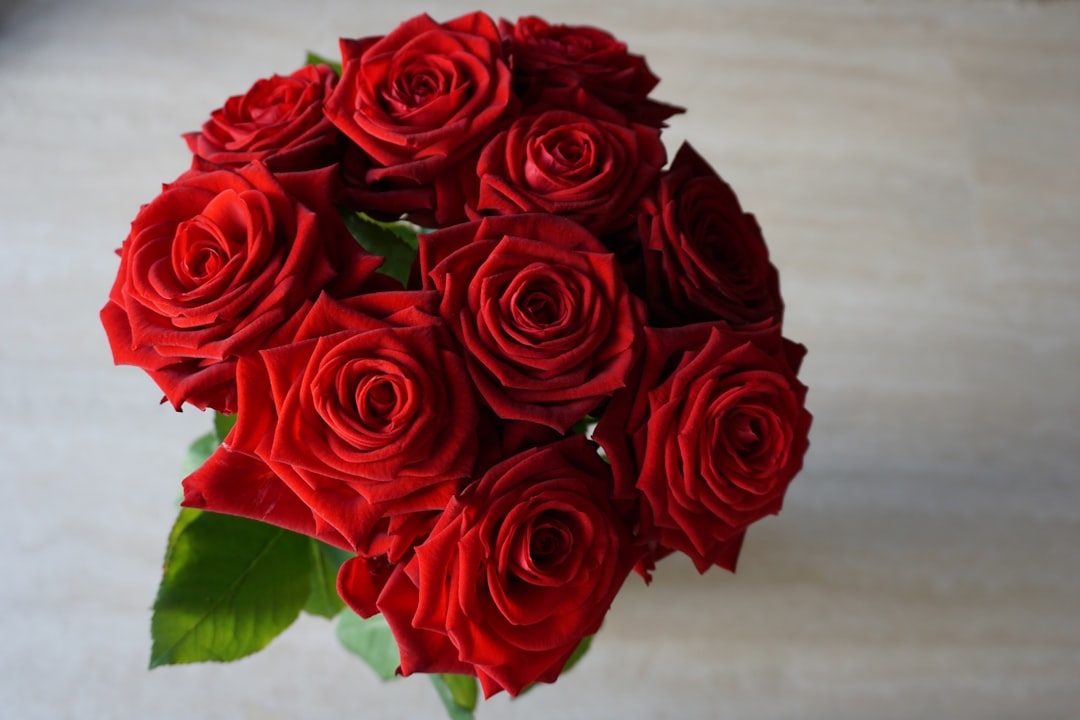
1. Roses
American-grown roses (like those from California’s Mellano & Company) shed minimal pollen and their petals don’t retain excess moisture. Choose tight “classic” roses over garden varieties with open, ruffled centers.
2. Orchids
Phalaenopsis and dendrobium orchids are favorites for allergy- and mold-sensitive homes. Their waxy petals resist mold growth and retain their beauty up to two weeks indoors. Orchids are popular with florists in Texas, Arizona, and Nevada for precisely this reason.
3. Ranunculus
Ranunculus blooms are tightly layered but dry out cleanly, without going mushy like peonies or lilies. Many US wedding florists recommend them for spring bouquets in 2026.
4. Tulips
Tulips have upright, cup-shaped blossoms that don’t trap water. They perform well in cooler months and are always available from US growers like Sun Valley Floral Farms.
5. Lilies (Asiatic and LA Hybrid)
Unlike heavily scented Stargazer lilies, Asiatic and LA hybrids offer vivid color with closed centers and less pollen drop. Pollen can be gently removed for ultra-allergy-safe bouquets.
6. Carnations
Budget-friendly and long-lasting, carnations dry cleanly rather than rotting. Choose single rather than double-petaled varieties for minimal petal density.
7. Alstroemeria
Also known as Peruvian lily, these have slender, tubular blooms and firm petals. Mold rarely forms, even after a week in a vase.
Avoid These If You’re Mold Sensitive:
- Chrysanthemums (mums)
- Sunflowers
- Hydrangea
- Dahlias
- Peonies (especially when fully open)
Table: Mold Sensitivity of Popular Flowers
| Flower Type | Mold Risk | Pollen Risk | Vase Life | Price Range (USD, 2026) |
|---|---|---|---|---|
| Rose | Low | Low | 7-10 days | $30-$70/dozen |
| Orchid | Very Low | Very Low | 10-14 days | $20-$50/stem |
| Ranunculus | Low | Low | 5-7 days | $25-$50/bunch |
| Tulip | Low | Low | 5-7 days | $15-$40/dozen |
| Lily (Asiatic) | Low | Moderate* | 7-8 days | $18-$45/bunch |
| Carnation | Low | Low | 10-14 days | $12-$35/dozen |
| Alstroemeria | Low | Low | 10-14 days | $16-$35/bunch |
| Mum | Moderate | High | 7-10 days | $10-$25/bunch |
| Sunflower | High | Moderate | 5-7 days | $15-$40/bunch |
| Hydrangea | High | Low | 5-7 days | $25-$60/stem |
*Stamens can be removed for extra allergy protection.
“The safe-flower list isn’t just about allergies; it’s about how easily a bloom dries without getting slimy or moldy,” says Sara Kim, owner of The Violet Stem in Chicago.
Keeping Mold at Bay: Florist Tips for Home Arrangements
Even the most mold-resistant flowers can become risky if their water goes murky or stems are crowded. Mold spores are opportunistic.
Water Smart: Change Water Daily
US florists recommend changing vase water every 24 hours. Add a splash of lemon juice or a floral preservative packet (available at Trader Joe’s, Kroger, or your local shop).
Trim Stems and Remove Foliage
“Snip stems at a 45-degree angle and remove all leaves that sit below the waterline,” says Jose Padilla, lead designer at Dallas Blooms.
Avoid Overcrowding
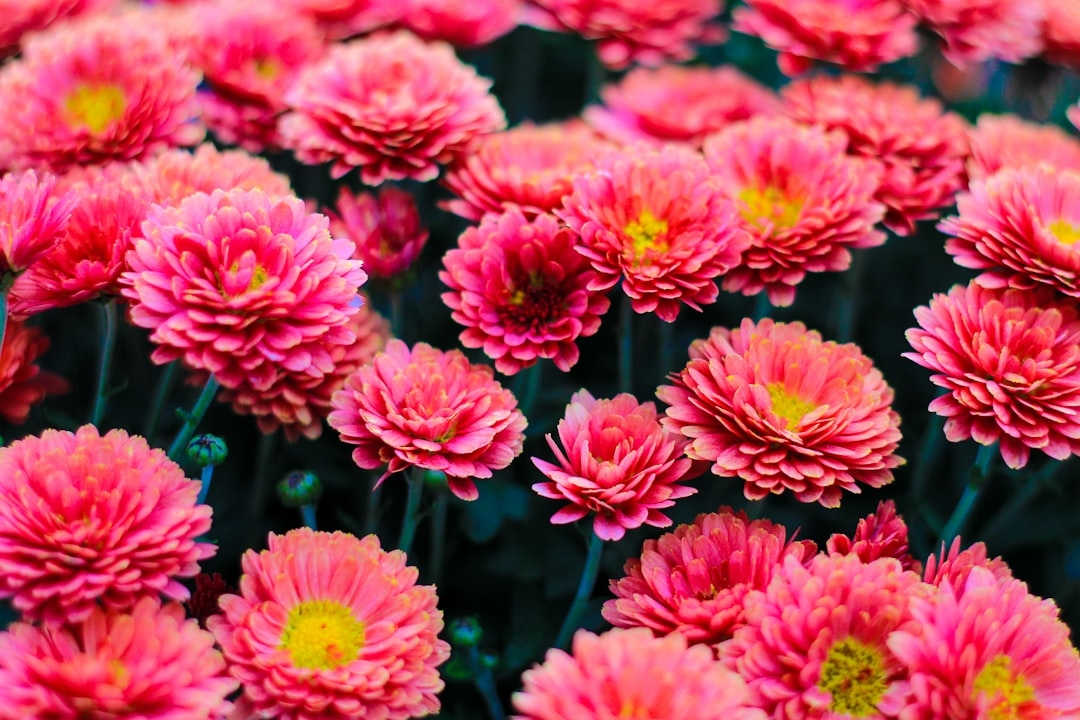
Dense bouquets stifle airflow. Display blooms loosely to minimize mold risk.
Keep It Cool
Mold thrives above 75°F. Place arrangements away from heating vents and direct sun.
Quick Clean
Rinse out vases with hot, soapy water between bouquets to avoid lingering spores.
Best Practices for Ordering from US Flower Delivery Services
Online flower delivery is more popular than ever in 2026–Americans are expected to spend over $11 billion on bouquets this year (Statista, 2026). If you or your loved one has sensitivities, here’s how to get a safe bouquet:
- Look for “Allergy-Friendly” or “Low-Pollen” labels: Sites like UrbanStems, The Bouqs Co., and ProFlowers tag arrangements with allergy-safe icons.
- Request no filler greens: Ask to skip high-moisture fillers like ferns, ruscus, baby’s breath, or eucalyptus.
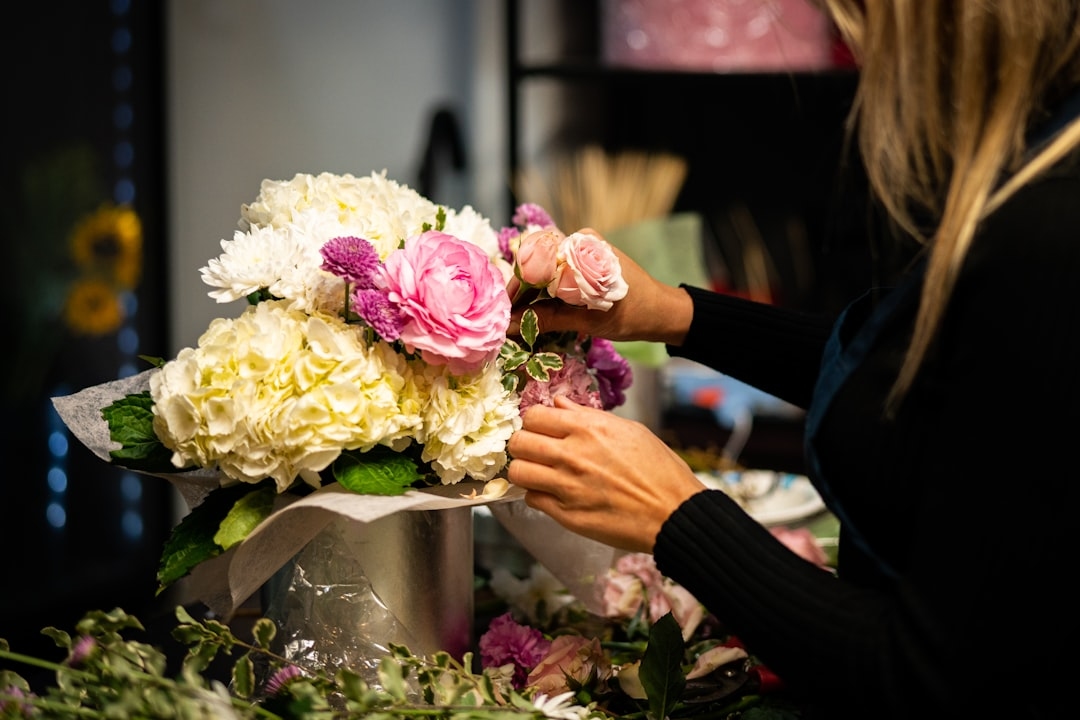
- Call ahead for custom arrangements: Many local florists will curate mold-safe bouquets if you mention your concern.
Mold-Safe Flower Care For Special Occasions
Weddings
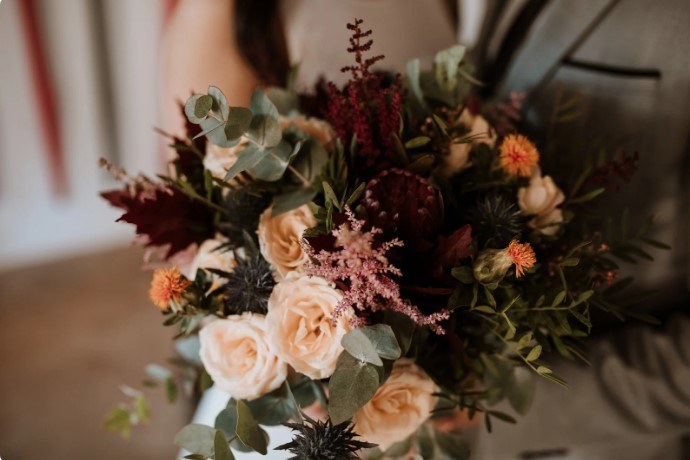
Use modular centerpieces with water tubes (not foam or dense holders). Opt for the blooms from the safe list above. Have a designated “nose-friendly” table for especially sensitive guests.
Get-Well Bouquets
Orchids, tulips, and lilies (pollen removed) are perfect for hospital rooms, where immune systems may be stressed.
Sympathy Arrangements
Carnations and Alstroemeria offer long vase life and comfort without the risk. Skip tradition-heavy mums.
Signs Your Flowers May Be Causing Mold Reactions
Sometimes, it’s not obvious. Watch for these signs after bringing home a bouquet:
- Increased sneezing or congestion within minutes to hours
- Musty or damp odor near the vase (even when water looks clear)
- Visible gray-green mold at stem ends or on petals
Swap out suspect flowers and clean vases thoroughly before refilling.
Pull-Quote
“I have a severe mold allergy, so the only flowers I allow in my apartment are tight roses or cut orchids. Anything else triggers days of misery.”
–Lauren McNeil, Brooklyn, NY
FAQ: Flowers Safe for People With Mold Sensitivity
What are the best flowers for someone allergic to mold?
The safest flowers for people with mold sensitivity are roses, orchids, tulips, ranunculus, alstroemeria, carnations, and certain types of lilies (with pollen removed). These flowers have low moisture retention and are less likely to develop mold in a vase.
Can houseplants trigger mold allergies like cut flowers?
Yes, some houseplants can increase humidity and harbor soil mold. Choose epiphytic orchids or air plants (Tillandsia), which require little or no soil, for a houseplant that’s less likely to trigger mold allergies.
How can I tell if flowers are starting to grow mold?
Early signs of mold on fresh flowers include a musty smell, slimy stems, and visible gray, white, or green growth at the base of stems or inside dense blooms. If you notice any of these, replace the water, trim stems, and discard affected flowers.
Are dried flowers or artificial arrangements safer than fresh flowers?
Dried and artificial flowers are generally safer for people with mold allergies–especially if they’re dusted regularly. Avoid preserved arrangements that use damp materials, as these can still harbor mold.
Should I avoid all scented flowers if I have mold allergies?
Scent and mold allergies aren’t directly linked, but heavily scented flowers (like Stargazer lilies, stock, or freesia) can sometimes irritate sensitive noses. Stick with low-scent, mold-resistant varieties for safest results.
Ready to fill your home with blooms that won’t bring the sniffles? Choose from the mold-safe options above, keep arrangements fresh and tidy, and don’t hesitate to ask your florist for guidance. A thoughtful bouquet should brighten your day, not your allergy symptoms.