





Contents:
- What Is Botanical Journaling? (Quick Answer)
- Why Botanical Journaling Thrives in 2026
- Mix of Art and Science
- Essential Supplies for Starting a Botanical Journal
- Paper Choices
- Writing & Drawing Tools
- Bonus Gadgets
- How to Begin: Step-by-Step Botanical Journaling
- Select Your Format
- Record Basic Details
- Observe Like a Botanist
- Add Creative Touches
- Reflect and Personalize
- Uses for Your Botanical Journal
- For Florists & Flower Lovers
- For Gardeners
- For Hobbyists
- Comparing Types of Botanical Journaling
- Advanced Tips: Take Your Botanical Journaling Further
- Citizen Science and Community
- Go Beyond the Bloom
- Seasonal Themes
- Collaborate
- Botanical Journaling FAQ
- How do I start a botanical journal if I can’t draw?
- What’s the best journal for beginners?
- Can I press flowers in my journal?
- How does botanical journaling help mental health?
- Are there digital alternatives to paper journals?
- Ready to Chronicle Your Flower Story?
Botanical Journaling – Complete Guide
Ever snapped a photo of a perfect peony bloom, only to forget what it smelled like a week later? Botanical journaling is the analog antidote to the fleeting Instagram flower. It captures the story behind every petal–rooting you deeper in the world of floristry, gardening, and nature’s everyday artistry.
What Is Botanical Journaling? (Quick Answer)
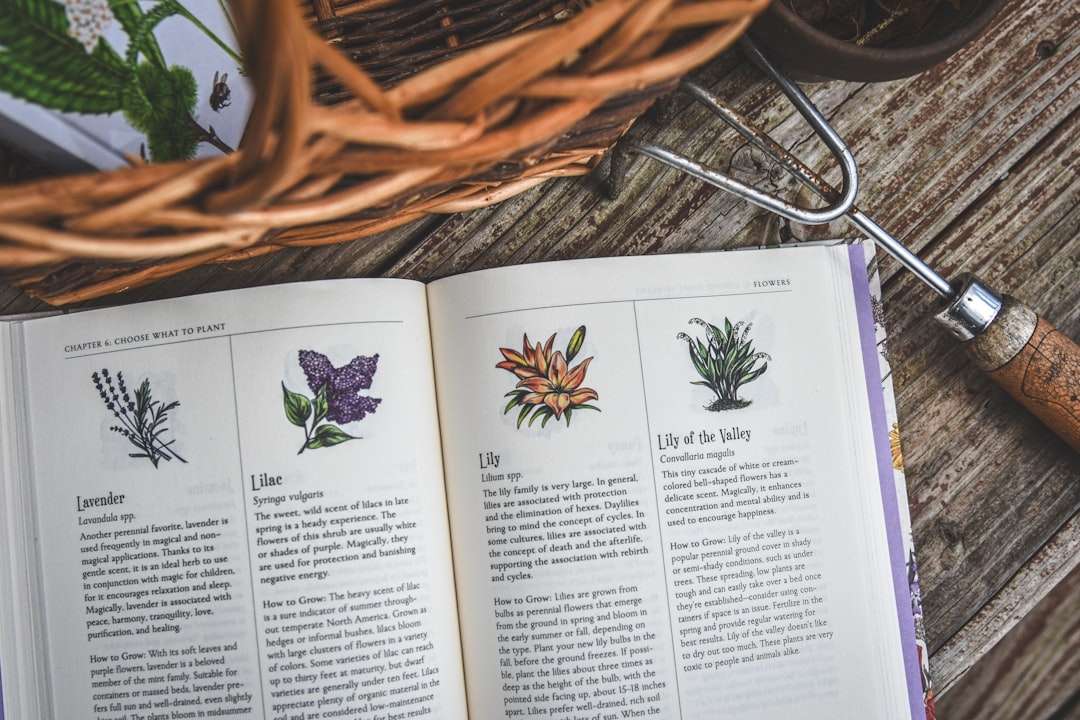
Botanical journaling is the practice of recording observations, sketches, and reflections about plants and flowers in a dedicated notebook or digital platform. Unlike traditional note-taking, it combines scientific details (like Latin names and growth stages) with personal experiences, photographs, and creative expression. People use botanical journals for gardening records, flower arranging, plant identification, and mindfulness. In 2026, this hobby has surged in popularity among florists, gardeners, and nature enthusiasts in the US, with brands like Field Notes and Archer & Olive offering specialized journal products.
Why Botanical Journaling Thrives in 2026
Americans bought 7% more houseplants in 2025 than ever before, according to the National Gardening Association. That green-thumb boom isn’t just about plant parenting–it’s about connection, creativity, and mindfulness. As Gen Z and Millennials seek screen-free hobbies, botanical journaling has become the go-to blend of art, science, and self-care.
“Keeping a flower journal helps me slow down and truly appreciate each bloom,” says Brianna Miles, AIFD-certified florist in Austin. Her Instagram, full of lush spreads and watercolor diagrams, has inspired thousands to put pen to petal.
Pull-quote:
“A botanical journal is a time capsule for every flower you’ll ever love.”
– Brianna Miles, AIFD
Mix of Art and Science
Botanical journaling sits at the crossroads of floristry, gardening, and personal storytelling. Scientific observation merges with creative freedom–whether you’re cataloging the blush on a garden rose or gluing in a pressed wildflower from last Sunday’s hike.
Essential Supplies for Starting a Botanical Journal
Paper Choices
- Dot grid notebooks (like Leuchtturm1917): Ideal for sketching layouts and straight lines.
- Watercolor journals (Strathmore or Moleskine Art Plus): Heavyweight paper that won’t bleed if you paint.
- Pre-made botanical journals (Archer & Olive’s “Plant Lover” series): Includes templates for plant details and bloom dates.
Writing & Drawing Tools
- Archival pens (Micron, Sakura Pigma)
- Colored pencils (Prismacolor, Faber-Castell)
- Watercolors (Winsor & Newton travel sets)
- Double-sided tape or glue sticks (for pressed flowers)
Bonus Gadgets
- Plant press (like the Microfleur, $39.99 on Amazon): Press and dry flowers quickly.
- Pocket magnifier: For spotting leaf details up-close.
- Label maker or sticky notes: For quick identification.
Estimated startup cost: $35-$80 USD (depending on materials and brands).
How to Begin: Step-by-Step Botanical Journaling
Select Your Format
Decide if you prefer analog (notebook) or digital (apps like GoodNotes or MyFlora). Analog offers tactile satisfaction and room for pressed flowers. Digital is searchable and easily shared.
Record Basic Details
Start each entry with:
- Date & location (city, garden, park)
- Plant/flower name (common & Latin)
- Source/occasion (grocery, florist, own garden, wild)
Observe Like a Botanist
Notes to include:
- Petal color and patterning
- Leaf shape and size
- Aroma and texture
- Growth stage (bud, bloom, wilt)
- Environmental conditions (weather, season, soil type)
Example Entry
| Date | Flower | Latin Name | Notes |
|---|---|---|---|
| 5/13/2026 | Peony | Paeonia | Blush pink, heady scent, |
| ruffled petals, vase life: 4 days |
Add Creative Touches
- Sketches/paintings: Annotate with arrows or little notes.
- Pressed petals or leaves: Attach with tape or washi.
- Photos: Print mini instant photos (Canon Ivy or Fujifilm Instax).
Reflect and Personalize
Include:
- How the flower makes you feel
- Memories associated with the bloom
- Poetry, quotes, or song lyrics
Uses for Your Botanical Journal
For Florists & Flower Lovers
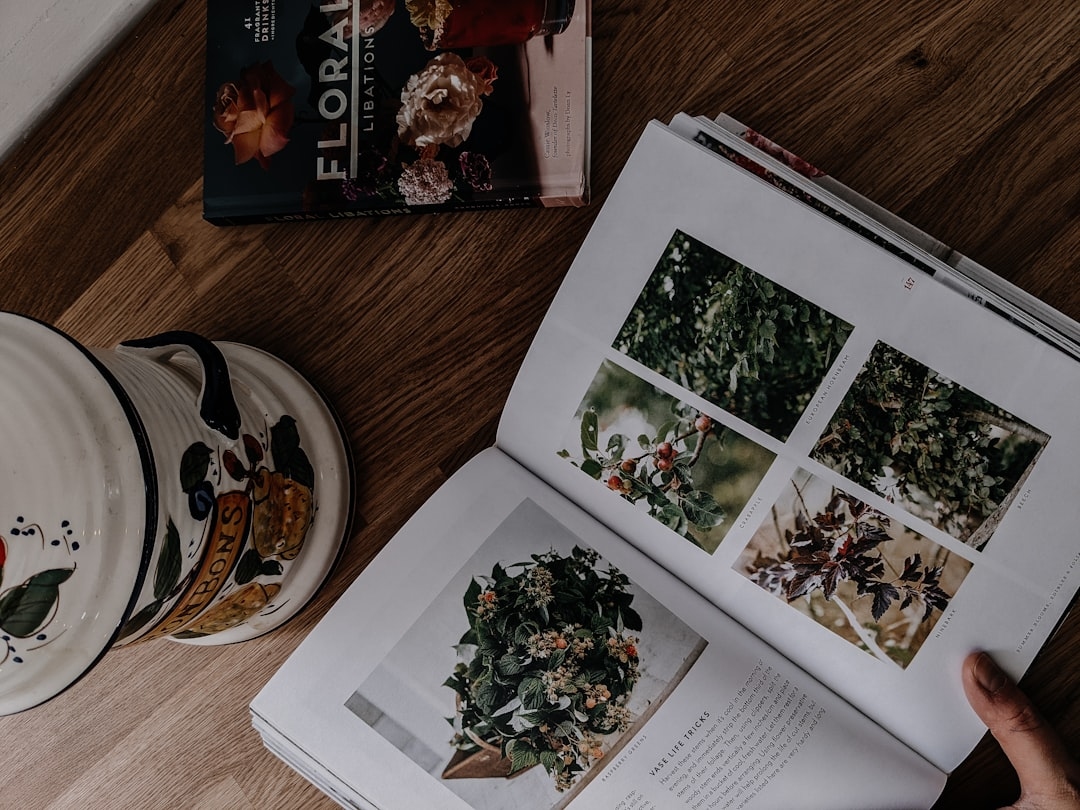
- Track floral design recipes (e.g., “Mother’s Day centerpiece: ranunculus + eucalyptus”)
- Record vase life and conditioning tips
- Capture client favorites
For Gardeners
- Monitor planting dates, germination, bloom times
- Note pest issues or weather anomalies
- Plan crop rotations and companion plantings
For Hobbyists
- Identify wildflowers on hikes using field guides or iNaturalist app
- Practice mindfulness by recording sensory details
- Document local blooms for seasonal awareness
Comparing Types of Botanical Journaling
| Purpose | Best Format | Example Uses |
|---|---|---|
| Florist Design | Analog, digital | Bouquet recipes, bloom tracking |
| Garden Planning | Analog w/ grid | Planting layouts, crop rotation |
| Wildflower ID | Portable, compact | Field sketching, species log |
| Art Journaling | Watercolor/paper | Sketching, painting, collage |
| Mindfulness/Diary | Any | Reflections, quotes, daily practice |
Pro tip: Many journalers blend formats, keeping a hardcover at home and a lightweight notebook for travel.
Advanced Tips: Take Your Botanical Journaling Further
Citizen Science and Community
In 2026, many US botanical gardens (like Brooklyn Botanic Garden and Chicago Botanic Garden) host journaling workshops and citizen science events. Sharing your entries can help scientists track pollinator patterns, invasive species, or climate shifts.
Go Beyond the Bloom
Document seed pods, stems, roots, and even decay. Note how a flower changes over time–its “life story.”
Seasonal Themes
Plan entries to match seasonal shifts. For example:
- Spring: Bulb blooms (tulips, daffodils)
- Summer: Wildflowers, roses, zinnias
- Fall: Grasses, berries, seed pods
- Winter: Evergreens, dried arrangements
Collaborate
Start a journal swap or club. In 2025, over 8,400 US botanical journal clubs registered with Meetup.com, a figure that’s only grown in 2026.
Botanical Journaling FAQ
How do I start a botanical journal if I can’t draw?
You don’t need to be an artist. Stick to notes, descriptions, or photos. Use tracing paper or stencils to outline leaves and blooms, or print pictures from your phone to paste in.
What’s the best journal for beginners?
Look for a dot-grid or blank page notebook like Field Notes ($12.95 for 3-pack) or Moleskine Art Sketchbook ($24). For guided prompts, try the Archer & Olive Plant Lover Journal.
Can I press flowers in my journal?
Yes! Use acid-free paper and press flat blooms between pages, or buy a mini flower press. Attach dried specimens with clear tape or glue to avoid moisture damage.
How does botanical journaling help mental health?
According to Dr. Stephanie Nguyen, horticultural therapist (HCP, Texas A&M), journaling “reduces stress by encouraging mindfulness and sensory engagement with nature.” Journaling flowers for just 15 minutes a week has been linked to lower anxiety levels.
Are there digital alternatives to paper journals?
Absolutely. Apps like GoodNotes, Notability, and MyFlora allow you to combine typed notes, sketches, and photos. Digital journals are great for travelers and sharers.
Ready to Chronicle Your Flower Story?
Find a notebook, pluck a fresh bloom, and start jotting. Your botanical journal will become a time capsule–one you’ll love flipping back through as seasons (and flowers) change. And who knows? In a year, you might be the friend inspiring others to record their own flower stories.