










Contents:
- How Do You Scale a Florist Business Past the Owner-Operator Stage?
- Why Most Florists Hit a Growth Plateau
- 7 Steps to Grow Your Florist Shop Beyond Just You
- Map and Standardize Core Processes
- Delegate and Hire, Starting with Non-Artistic Tasks
- Build a Reliable Supply Chain
- Expand Your Sales Channels
- Systematize Finances and Track KPIs
- Invest in Marketing (But Don’t Try to Do It All)
- Train–Then Let Go (Really)
- Real Stories: From Solo Shop to Scalable Brand
- Frequently Asked Questions
- How much does it cost to scale a florist shop in the US?
- Can florists make six figures in annual profit?
- What are the biggest mistakes when hiring designers?
- How do you keep your shop’s “personal touch” as you grow?
- Is it worth paying for online advertising?
- What to Do Next: Take One Step Off Your Plate
Scaling a Florist Beyond Owner-Operator
On Valentine’s Day 2024, the average American spent $68.45 on flowers–up 18% from five years earlier. But those roses and tulips? They didn’t magically arrange and deliver themselves. Behind every wrapped bouquet is a business owner racing from cooler to cash register, often with hands full of prickly stems and a phone wedged between shoulder and ear. For most US florists, the leap from “chief everything officer” to a scalable, thriving business is both exhilarating and daunting. Here’s how to break out of the owner-operator cycle and actually grow–without burning out or cutting corners on artistry.
How Do You Scale a Florist Business Past the Owner-Operator Stage?
To scale a florist business beyond owner-operator, you must standardize operations, delegate key tasks, invest in reliable staff, optimize supply chains, expand sales channels (including online), and implement systems for financial and workflow tracking. Outsourcing or automating non-core tasks–like bookkeeping or delivery–frees time for growth. Regular training, smart hiring, and digital marketing (SEO, Instagram, local Google Business) drive sustainable customer expansion and brand awareness.
Why Most Florists Hit a Growth Plateau
Walk into nearly any US flower shop in 2026 and you’ll find history repeating itself: founders doing it all. According to the Society of American Florists, over 70% of independent florists are single-location, owner-driven businesses with no more than four staff–often seasonal or part-time. Here’s why scaling gets tough:
- Labor intensity: Arranging, sourcing, selling, delivering–each order may require several hands-on hours.
- Perishability: Unlike bakeries or even coffee shops, unsold inventory is almost always a total loss.
- Brand built on personal touch: Customers expect bespoke service, not mass-market sameness; it’s hard to delegate “your eye.”
- Thin margins: Rising wholesale prices (roses up 21% since 2022 per Floriculture Plus magazine) and delivery costs eat into profits.
“The challenge isn’t just selling more flowers–it’s delivering the same magic at scale, without losing your signature style.”
– Maribel Cortez, owner of Cortez Blooms, Los Angeles, and IFPA Accredited Floral Designer
7 Steps to Grow Your Florist Shop Beyond Just You
1. Map and Standardize Core Processes
The first step is getting out of your head and onto paper. What are your workflows for designing arrangements, taking orders, sourcing inventory, handling wraps and deliveries? Create clear SOPs (standard operating procedures) for:
- Order intake (walk-ins, phone, online)
- Arrangement recipes (exact stem counts per bouquet size/style)
- Prep and cleanup
- Customer follow-up (thank-you notes, reviews)
- Inventory restocks
Even a shared Google Drive folder or Notion page beats tribal knowledge. This makes training new staff possible and ensures consistency.
2. Delegate and Hire, Starting with Non-Artistic Tasks
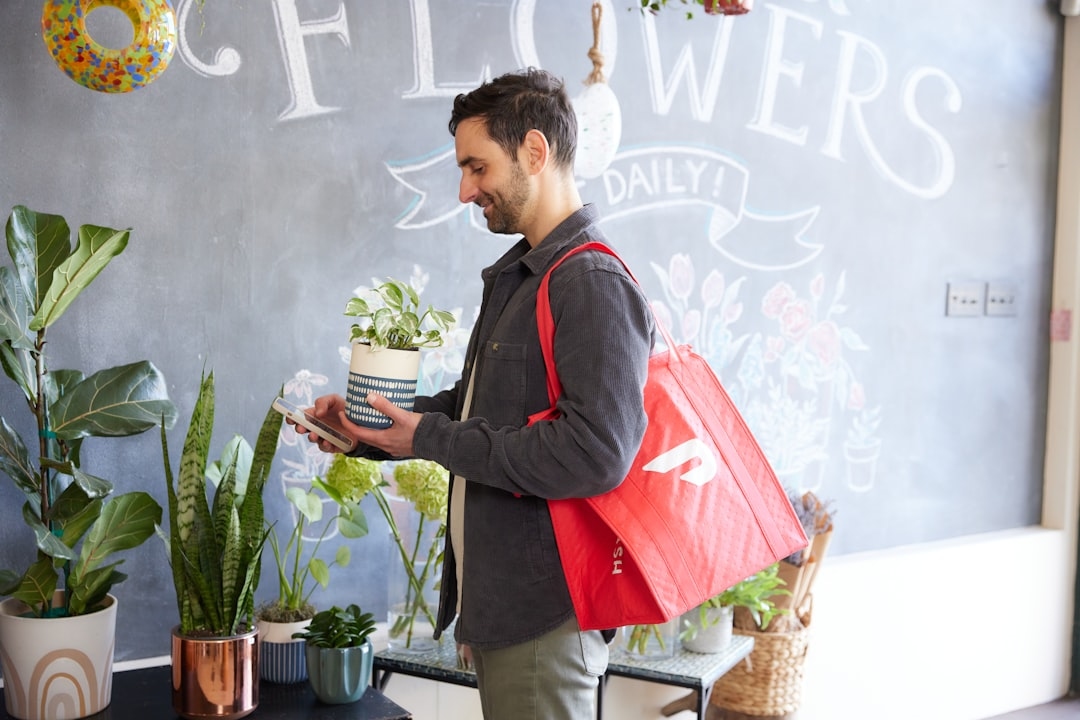
Low-risk delegation: Start by handing off delivery runs (using local drivers or DoorDash/Uber Direct integrations) and basic admin (scheduling, invoicing). In the US, last-mile delivery apps now cover most cities and reliably integrate with POS systems like Floranext or BloomNation.
When to hire designers: Once you hit 40-50 orders per week, consider bringing in a junior designer or freelance support, at least for peak periods. According to Maxine Bourdain, head instructor at the New York Floral School, “Training someone to replicate your most popular bouquets is far easier when you have written guides and photo references.” Budget $18-$25 per hour for entry-level help in major metros.
3. Build a Reliable Supply Chain
Wholesale costs fluctuate–especially around major holidays. Partner with at least two suppliers (try Mayesh, FiftyFlowers, or local co-ops) and negotiate standing orders on bestsellers. Use a POS system that tracks inventory in real-time so you can forecast needs and reduce spoilage, especially during slow stretches.
Comparison Table: Top US Florist POS Systems (2026)
| POS Platform | Monthly Cost | Inventory Tracking | Delivery Integration | Website/SEO |
|---|---|---|---|---|
| Floranext | $59 | Yes | No (manual) | Yes |
| BloomNation | $79 | Yes | Yes (DoorDash) | Yes |
| Hana POS | $49 | Yes | Yes (customizable) | Limited |
4. Expand Your Sales Channels
Online sales:
- Launch a Shopify site or use platforms like Floranext or BloomNation, which offer built-in ecommerce for florists.
- Optimize Google Business Profile–almost half of US customers now Google “florist near me” before purchasing.
- List on Instagram and Facebook Shops–visual-first platforms power impulse buys, especially for events.
Subscriptions and corporate accounts:
Monthly bouquet subscriptions bring recurring revenue and predictable order flow. Set up standing orders with local offices, hotels, or restaurants–offering volume discounts can secure contracts worth $300-$2,000/month.
5. Systematize Finances and Track KPIs
Use QuickBooks, Xero, or Square for Retail to monitor revenues, expenses, and per-order profitability. Key metrics:
- Average transaction value: ($45-$65/shop in 2026)
- Gross margin: Target 45-55% after hard costs.
- Spoilage rate: Should be under 6% monthly.
Meet with an accountant quarterly–outsourcing taxes/bookkeeping saves dozens of stress hours each year.
6. Invest in Marketing (But Don’t Try to Do It All)
SEO for florists:
Target local keywords like “same day flower delivery Seattle” or “wedding florist Atlanta.” Use SquareSpace, Wix, or WordPress with Yoast SEO for easy optimization. Add a gallery of real arrangements–stock photos turn buyers away.
Instagram & TikTok:
Share behind-the-scenes clips, time-lapse arrangements, or “florist reacts” content to ride trends.
Email list:
Offer $5-$10 off a first order for signups, then send seasonal promos and reminders for holidays/anniversaries.
7. Train–Then Let Go (Really)
The hardest step for most owner-operators is trusting others. Host short, structured training weekly. Use checklists and real customer feedback to reinforce standards. Allow each new designer a “sandbox” order each week–total creative freedom keeps your team motivated and surfaces new design ideas.
Real Stories: From Solo Shop to Scalable Brand
Nina Patel, Brooklyn Flower Room
Opened in 2017, Nina was solo until 2021. After codifying her bouquet recipes and hiring two part-time designers, she doubled revenue in just 14 months. Ninety percent of order processing is now handled without her involvement, freeing her to land a lucrative wedding contract with the New York Botanical Garden in 2025.
Frequently Asked Questions
How much does it cost to scale a florist shop in the US?
Budget at least $10,000-$25,000 for hiring, digital upgrades, and added inventory in your first scaling year. Costs vary based on location, shop size, and how much you automate. Digital POS and ecommerce upgrades run $49-$129/month. Outsourced delivery averages $8-$12/order.
Can florists make six figures in annual profit?
Yes, but only with scalable operations, diversified channels (weddings, subscriptions, corporate), and strict cost controls. According to 2026 data from the American Floral Endowment, top-performing US florists can clear $100,000-$250,000 in annual owner profit–usually after 3-5 years of growth-focused investment.
What are the biggest mistakes when hiring designers?
Skipping structured training, failing to communicate your brand style, and expecting instant results. It’s common for new designers to under- or over-stuff arrangements or miss your shop’s signature details. Start with shadowing, then allow supervised practice with real feedback.
How do you keep your shop’s “personal touch” as you grow?
Document your signature designs, color palettes, and customer service standards. Encourage staff to share their own flair–but always review their first five to ten arrangements. Routinely gather customer feedback, especially from regulars, to spot missed touches early.
Is it worth paying for online advertising?
For holidays or big events, yes–Google Ads and Instagram boosts can double order volume in peak weeks. For steady growth, focus on SEO, email, and partnerships with local venues or planners, which deliver longer-term ROI.
What to Do Next: Take One Step Off Your Plate
Scaling a florist business means putting your art–and your processes–into other people’s hands. Sketch out your core workflow today. Delegate one non-artistic task by week’s end: a delivery, simple invoice, or a daily Instagram post. Small, systematic steps lead to big bouquets. By next Valentine’s Day (or honestly, just next Tuesday), your shop could be blooming even when you’re not the one tying every ribbon.