






Contents:
- The Most Symbolic Flowers in Literature (Direct Answer)
- Roses: Love and the Price of Passion
- Shakespeare and the Scarlet Rose
- Roses in Modern Fiction
- Lilies: The Double-Edged Sword of Innocence and Mortality
- Lilies and Death in Shakespeare
- The Great Gatsby’s Daisies and Lilies
- Violets: Modesty, Mourning, and the Secret World
- Shakespeare’s Veiled Grief
- Violets in American Poetry
- Daisies: Innocence or Deception?
- Daisy Buchanan: Pure or Poisonous?
- Daisies in Children’s Stories
- Lotus: Spiritual Awakening in Ancient and Modern Tales
- Homer to Hollywood
- Lotus in American Context
- Poppies: Sleep, Memory, and the Weight of War
- From Oz to Armistice
- Modern American Novels
- Lavender: Memory, Home, and the Promise of Calm
- Lavender in Contemporary Fiction
- Why Authors Love Lavender
- Table: Symbolic Flowers and Their Meanings in Literature
- FAQ About Flowers in Literature
- What flower is most associated with love in literature?
- Why do authors use flowers as symbols?
- Are there American authors who use unique floral symbolism?
- How do US florists use literary symbolism in arrangements?
- What is the most common funeral flower in the US, and why?
- Bringing Literary Blooms Into Your Daily Life
Flowers in Literature – The Most Symbolic Blooms
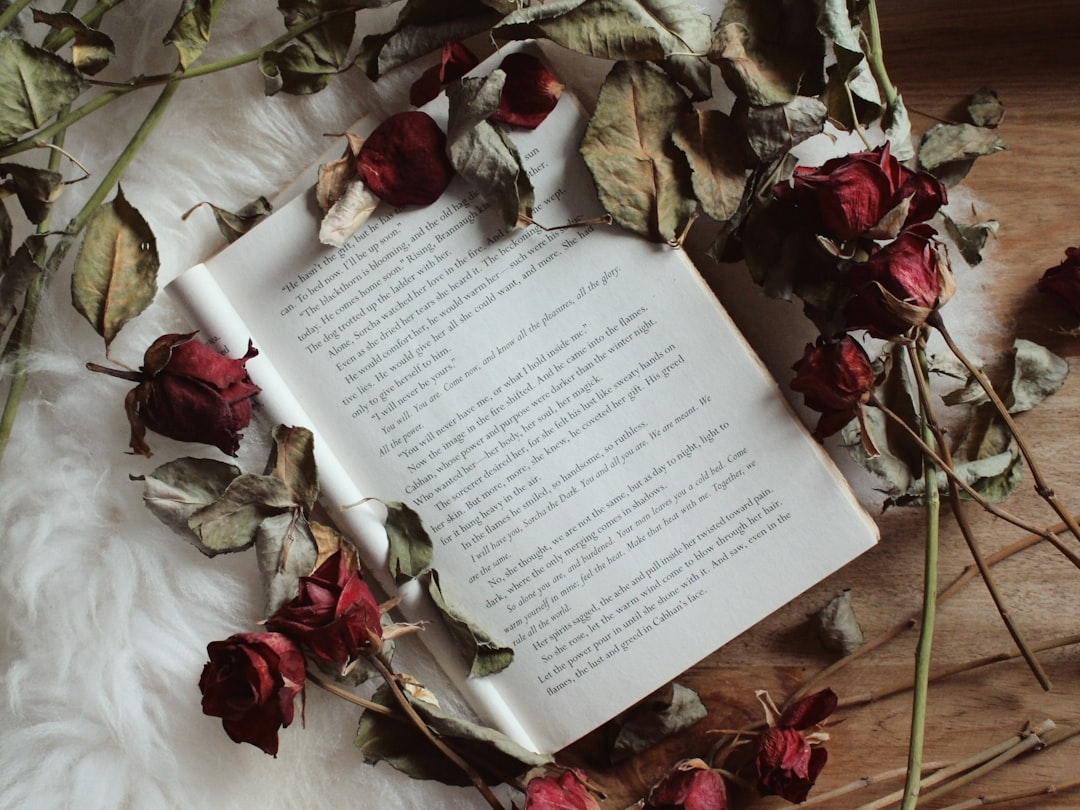
The crimson rose tucked between the pages of Romeo and Juliet. Lavender fields stretching across the haunting moors of Wuthering Heights. Literature isn’t just built on words–it’s alive with petals, thorns, and unexpected meaning. Some flowers have become so entwined with storytelling that just a mention evokes a flood of emotions and cultural references. Their symbolism, once rooted in ancient beliefs and botanical rarity, now quietly shapes the way we interpret timeless stories.
The Most Symbolic Flowers in Literature (Direct Answer)
Certain flowers have become literary icons, each carrying distinct meanings across genres and eras:
- Roses – Love, secrecy, and sacrifice (Romeo and Juliet, Beauty and the Beast)
- Lilies – Purity and death (Hamlet, The Great Gatsby)
- Violets – Modesty, faithfulness, and mourning (Hamlet, A Midsummer Night’s Dream)
- Daisies – Innocence and deception (The Great Gatsby)
- Lotus – Enlightenment and spiritual awakening (The Odyssey, Buddhist texts)
- Poppy – Sleep, oblivion, or remembrance (The Wonderful Wizard of Oz, WWI poetry)
- Lavender – Nostalgia, devotion, and calm (Harry Potter, Bridgerton)
These blooms recur in American and global classics – each chosen for their loaded layers of meaning and cultural power.
Roses: Love and the Price of Passion
No flower has conquered the American imagination (and its florists’ ledgers) quite like the rose. In US retail, the rose industry is valued at over $2.2 billion annually (Statista, 2026) – a testament to its lasting cultural grip.
Shakespeare and the Scarlet Rose
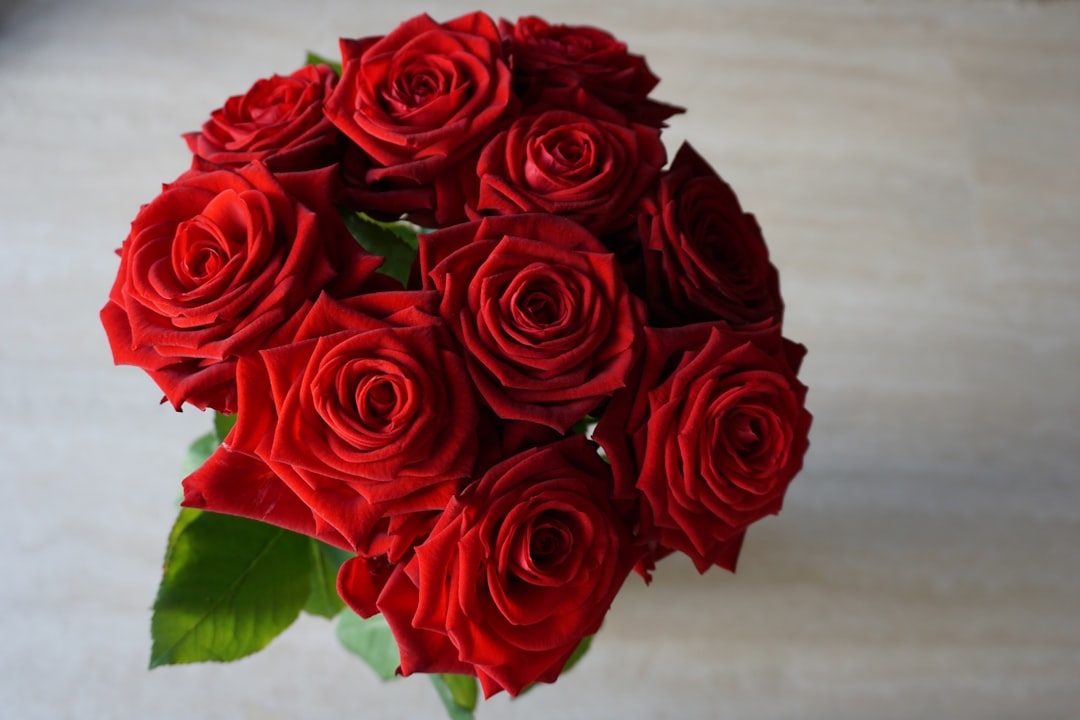
“That which we call a rose by any other name would smell as sweet.” Juliet’s lament is more than an idle musing. In Shakespeare’s Romeo and Juliet, the rose is shorthand for the fiery, forbidden love that defines the play. Scholar Dr. Evelyn Carmichael, a Shakespearean botanist at Columbia University, argues:
“Shakespeare’s audience understood that a rose wasn’t safe. It promised beauty and pain, secrecy (‘sub rosa’), and sometimes death.”
Roses in Modern Fiction
From the enchanted bloom in Beauty and the Beast to the blood-red roses in Stephen King’s The Dark Tower, American writers have continued this tradition. Roses frequently appear in horror, romance, and even political writing–the red rose is still the symbol of the American Democratic Socialists.
Quick Comparison: Roses in Literature
| Book/Play | Rose Symbolism | Key Scene |
|---|---|---|
| Romeo and Juliet | Forbidden love | Balcony scene |
| Beauty and the Beast | Passing time, hope | Enchanted rose in bell jar |
| The Dark Tower (King) | Portal, power, fate | The field of roses |
Lilies: The Double-Edged Sword of Innocence and Mortality
Stately, often white or pale gold, lilies are the ultimate double symbol. They represent both innocence and inevitable loss.
Lilies and Death in Shakespeare
Ophelia, drifting lifelessly in Hamlet, is “fantastic garlanded” with lilies and violets. In the US, white lilies are still the most common funeral flower, accounting for more than 30% of sympathy arrangements (National Funeral Director Association, 2026). Their scent, heady and somber, lingers at wakes and on the page.
The Great Gatsby’s Daisies and Lilies
Daisy Buchanan’s name isn’t just pretty–it’s meaningful. F. Scott Fitzgerald uses flower symbolism to convey her outward innocence and inner complexity. Lilies, meanwhile, appear in Gatsby’s lavish parties, a quiet nod to both purity and the fleeting nature of pleasure.
“Lilies in literature are never just background; they foreshadow tragedy,” notes Felicia Tran, owner of Brooklyn’s Fleur & Verse Floristry.
Violets: Modesty, Mourning, and the Secret World
Violets don’t shout. In literature, they whisper.
Shakespeare’s Veiled Grief
Violets bloom in Hamlet and A Midsummer Night’s Dream, always linked to themes of modesty and ephemeral beauty. Ophelia’s scattered violets become a symbol of her grief and lost faith.
Violets in American Poetry
Emily Dickinson–a passionate gardener–writes, “Violets are just a breath of the mind.” For her, violets are shorthand for unspoken longing, a subtlety lost among roses and lilies. In the US, violets are often overlooked by commercial florists but remain a favorite among indie flower farms, with prices typically between $6-$10 per bunch at farmers’ markets (USDA floral price index, 2026).
Daisies: Innocence or Deception?
Daisy petals, plucked one by one–“he loves me, he loves me not”–are the stuff of playgrounds and grownup heartbreak.
Daisy Buchanan: Pure or Poisonous?
Fitzgerald’s The Great Gatsby makes Daisy both untouchable and dangerous. Her name invokes the flower’s innocent core (the white petals) surrounding a heart of gold, but the innocence proves to be a mask.
Daisies in Children’s Stories
In US children’s lit–think Anne of Green Gables–daisies are symbols of unspoiled youth and play. “A fresh, simple daisy can be more evocative than the most exotic bloom in a story about childhood,” says Janet Wu, floral educator at the American Florist School in Seattle.
Pull-Quote:
“In literature, the daisy’s charm is how quickly innocence can wilt into longing or regret.” – Janet Wu, AFS
Lotus: Spiritual Awakening in Ancient and Modern Tales
The lotus is an import–rare in North American wilds but prolific in legend and literature.
Homer to Hollywood
Odysseus’ men, seduced by the “lotus-eaters,” forget their purpose in The Odyssey. The flower represents both wise release and dangerous escapism. In 2026, lotus imagery has surged in American self-help books and memoirs focused on resilience, with “rising above the mud” trending in both yoga studios and Instagram poetry.
Lotus in American Context
While not a staple at your local 1-800-Flowers, the lotus is increasingly popular in symbolic bouquets, especially for spiritual events and therapy spaces. American Buddhist author Pema Lin notes:
“The lotus has become our emblem for second chances and clarity. In U.S. literature, its meaning is evolving.”
Poppies: Sleep, Memory, and the Weight of War
No flower works harder for its symbolism dollar than the poppy.
From Oz to Armistice
In The Wonderful Wizard of Oz, a field of poppies sends Dorothy and her friends into an enchanted sleep. The poppy’s opiate quality is a literary staple, symbolizing both oblivion and peace. In US history, poppies gained new meaning after WWI–John McCrae’s “In Flanders Fields” established the red poppy as a global icon of remembrance.
Modern American Novels
Today, poppies often appear in literature about PTSD and trauma, particularly in post-9/11 fiction. Several therapy organizations, including The Poppy Project in California, use the flower as a symbol of healing.
Lavender: Memory, Home, and the Promise of Calm
Lavender is the scent of nostalgia–grandmothers’ linens, country fields, and notes tucked into drawers.
Lavender in Contemporary Fiction
Lavender shows up everywhere from Harry Potter (as a calming potion ingredient) to Netflix’s Bridgerton (in bouquets and ballrooms). US lavender farms now number over 12,500 acres cultivated nationwide (American Lavender Growers Association, 2026), with bouquets retailing for $8-$15 at premium florists.
Why Authors Love Lavender
Lavender signals home, safety, and steadfast devotion. “Writers love lavender because it’s specific. It roots the reader in time and place while promising comfort,” explains Dr. Luis Mendoza, Professor of Comparative Literature at Stanford.
Table: Symbolic Flowers and Their Meanings in Literature
| Flower | Symbolism | Key Work(s) | Modern Use in US Floristry |
|---|---|---|---|
| Rose | Love, secrecy, sacrifice | Romeo & Juliet, Beauty | Weddings, anniversaries |
| Lily | Innocence, death | Hamlet, Gatsby | Funerals, sympathy |
| Violet | Modesty, mourning | Hamlet, Dickinson poems | Niche, indie bouquets |
| Daisy | Innocence, deception | The Great Gatsby | Everyday, child’s bouquets |
| Lotus | Enlightenment, rebirth | The Odyssey, Zen texts | Spiritual arrangements |
| Poppy | Sleep, memory, war’s cost | Wizard of Oz, Flanders | Memorials, therapy events |
| Lavender | Nostalgia, healing, devotion | Harry Potter, novels | Home, wellness bouquets |
FAQ About Flowers in Literature
What flower is most associated with love in literature?
The rose is the most enduring literary symbol of love. In countless works, from Shakespeare’s Romeo and Juliet to modern romance novels, roses signify deep passion, secrecy, and both the beauty and pain of love.
Why do authors use flowers as symbols?
Authors use flowers because their meanings are instantly recognizable and culturally rich. Flowers allow writers to communicate complex emotions, hint at character fates, and build atmosphere without lengthy explanations.
Are there American authors who use unique floral symbolism?
Yes. Emily Dickinson used violets and wildflowers to symbolize inwardness and hidden emotion, while Toni Morrison’s Beloved uses wildflowers to evoke memory and loss. US regional literature often features local blooms, such as magnolias in Southern fiction.
How do US florists use literary symbolism in arrangements?
Many US florists, like UrbanStems and The Bouqs Co., offer bouquets themed after classic novels (e.g., “Jane Austen’s Garden” with roses and violets) or tailored for book lovers–often accompanied by literary quotes on the gift card.
What is the most common funeral flower in the US, and why?
The lily–especially white lilies–is the most common funeral flower in the United States. Their symbolism of purity and peaceful passage makes them the trusted choice for sympathy arrangements in 2026.
Bringing Literary Blooms Into Your Daily Life
Ready to turn your next bouquet into a work of literature? Try mixing roses for love, violets for loyalty, and lavender for home in your next arrangement. Reference a favorite novel or poem in your card–your local florist will appreciate the challenge, and your gift will carry meaning that lingers long after the petals fall. Literary symbolism isn’t just for English majors; it’s waiting on every windowsill and corner bodega in America. Why not write your own floral story?