







Contents:
- What Is Focus Stacking for Macro Flowers? (Quick Answer)
- Why Single-Shot Macro Isn’t Enough
- The Challenge of Macro Depth of Field
- How Does Focus Stacking Work? Step-by-Step
- Example Workflow
- Best Cameras, Lenses, and Gear for Flower Focus Stacking
- Must-Have Macro Lenses
- Sturdy Tripods & Rails
- Lighting for Macro Florals
- Stacking Software: Helicon vs. Photoshop vs. Zerene
- Helicon Focus
- Adobe Photoshop
- Zerene Stacker
- Flower Types That Shine With Focus Stacking
- Tips for Stunning Focus Stacks in Floristry
- Control Your Environment
- Small Steps, Many Shots
- Manual vs. Automated Focusing
- Post-Processing Polish
- FAQ: Focus Stacking for Macro Flowers
- What is focus stacking in macro photography?
- How many images do I need for a macro flower focus stack?
- What is the best software for stacking macro flower images?
- Can I do focus stacking with a smartphone?
- Does focus stacking work with moving flowers or outdoors?
Focus Stacking for Macro Flowers: A Florist’s Guide to Jaw-Dropping Detail
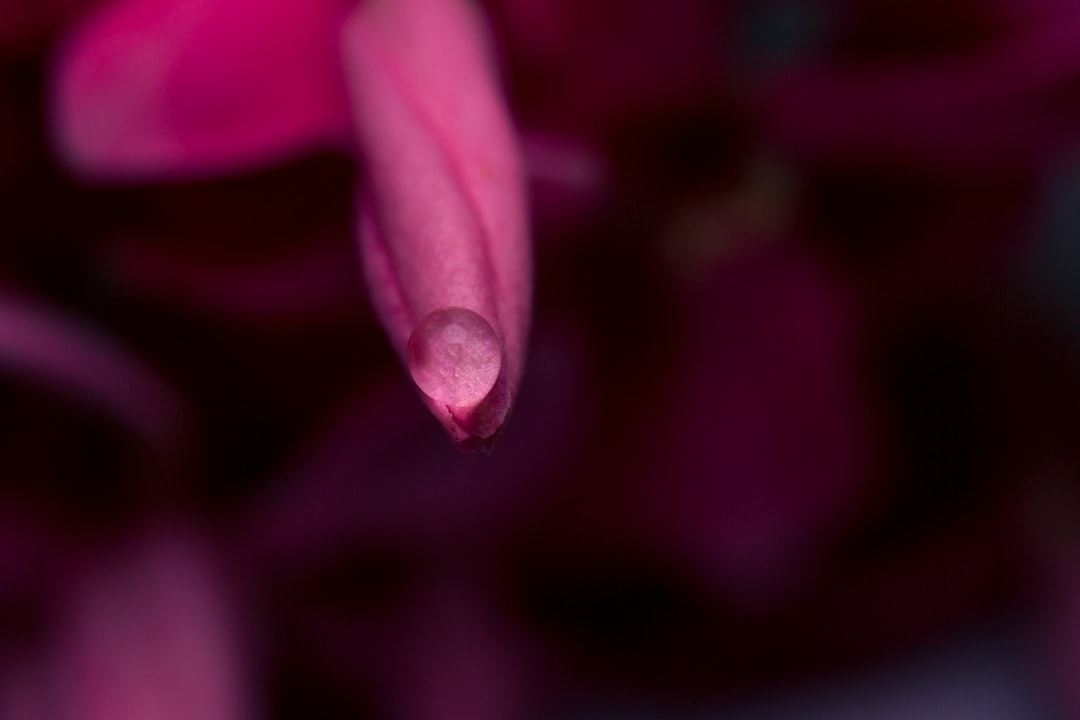
The tiny hairs on a ranunculus petal. The crystalline dew perched on a dawn rose. Capturing macro photos of flowers is one thing–capturing every millimeter in razor focus is another. This is where focus stacking comes in. For anyone who’s ever cursed the shallow depth of field of a 100mm macro lens, relief is just a few careful clicks away.
What Is Focus Stacking for Macro Flowers? (Quick Answer)
Focus stacking, in macro flower photography, is a technique where multiple images are shot at different focus distances and digitally combined. This results in a final photo where the entire flower is sharp from front to back–something impossible with a single snapshot, no matter how expensive your lens. Photographers use stacking to overcome the shallow depth of field inherent to macro work, revealing details of petals, pollen, and texture that the human eye can’t see in real life.
- Popular gear: Canon RF 100mm f/2.8, Nikon Z MC 105mm, Sony FE 90mm Macro
- Software options: Helicon Focus, Adobe Photoshop, Zerene Stacker
- Typical stack size: 8 to 40+ images, depending on flower size and magnification
Why Single-Shot Macro Isn’t Enough
That poppy looks incredible through your viewfinder, but check the screen at 100%. At f/2.8, the tip of the anther is crisp–everything else blurs to abstraction. Bumping to f/16 doesn’t help much; diffraction softens the image, and you barely gain a slice of focus. According to wedding florist and photographer Rebecca Lane (“A Rose Is A Rose Designs,” Austin, TX), “You can’t capture the full ruffle of a peony in one go–you lose the soft edge or the detailed center. Focus stacking changed how I show flowers to my clients.”
The Challenge of Macro Depth of Field
- At 1:1 magnification, even f/22 gives you less than 1mm of sharp focus.
- Higher f-numbers introduce diffraction, reducing fine detail resolution.
- Natural light often needs wider apertures, especially in-studio.
Macro stacking is now standard for commercial close-ups–think Teleflora catalogues or American-grown rare orchid sellers. Top stock agencies (Getty Images, Shutterstock) often reject single-shot macro work for insufficient sharpness across the subject. Focus stacking ensures every client and viewer sees the flower’s structure at its finest.
How Does Focus Stacking Work? Step-by-Step
Successful focus stacking for macro flowers follows this sequence:
- Set up tripod & composition: Lock your camera in place. Any movement ruins the stack.
- Dial in manual focus: Start at the frontmost point of the flower.
- Take sequential shots: After each shot, nudge focus slightly deeper (manual ring or electronic focus shift).
- Repeat: Continue until the entire subject, petal to stamen, is captured sharply in some frame.
- Combine in software: Specialized programs (Helicon Focus is a florist favorite–$30/month in 2026) auto-align and blend the stack.
“Expect to shoot anywhere from 10 to 40 images for most florals,” recommends Dr. Yvette Song, botanical macro specialist and author of Seeing Flowers in 10K (2024).
Example Workflow
- Equipment: Sony A7R V, FE 90mm Macro, Manfrotto tripod
- Lighting: LED panel (Godox MTL-90, $129 in 2026)
- Stack count: 22 images, focus adjusted by 0.3mm per shot
“Stacking let us show the velvety fuzz on a Zinnia and the pollen grains. It’s gotten us new clients every season.”
– Mark Phillips, Owner, Chicago Macro Florals
Best Cameras, Lenses, and Gear for Flower Focus Stacking
Must-Have Macro Lenses
Abundant choices in 2026 include:
| Brand/Model | Autofocus? | Min. focus distance | Market Price (USD) |
|---|---|---|---|
| Canon RF 100mm f/2.8L | Yes | 0.26m | $1,299 |
| Nikon Z MC 105mm f/2.8 | Yes | 0.29m | $999 |
| Sony FE 90mm f/2.8 Macro | Yes | 0.28m | $1,099 |
| Laowa 100mm f/2.8 2x | Manual | 0.24m | $499 |
Look for a lens with 1:1 (life-size) or 2:1 magnification, minimal focus breathing, and solid manual-focus control. More expensive isn’t always better–Laowa’s all-manual 100mm is legendary among US botanical photographers for its precise focus and sharpness at every aperture.
Sturdy Tripods & Rails
Any movement–even a breeze–is death to macro stacks. For absolute control:
- Tripods: Manfrotto MT055CXPRO4, Gitzo Traveler series
- Focusing rails: Neewer Pro 4-way ($89 in 2026), Cognisys StackShot for automation
- Remote shutter or camera app (to prevent vibrations)
Lighting for Macro Florals
Natural light works, but LED panels let you control every highlight–key for intricate blooms like hellebores. Florist Sarah Downey (Downey & Co., Denver) swears by the Lume Cube Panel Pro ($149), saying, “I mimic morning sun or bounce a soft fill. My orchid stacks finally look like real life, not overblown flash.”
Stacking Software: Helicon vs. Photoshop vs. Zerene
Three names dominate US focus stacking post-production in 2026:
| Software | Auto-Align | Retouching | Price (2026) | US Support |
|---|---|---|---|---|
| Helicon Focus | Excellent | Good | $30/month | Yes |
| Photoshop CC | Good | Excellent | $21/month | Yes |
| Zerene Stacker | Best | Fair | $289 (one-time) | Yes |
Helicon Focus
Easy interface, speedy results, popular among wedding & event florists looking to batch flowers for catalogs or social feeds.
Adobe Photoshop
The “Layers” + “Auto-Blend” workflow works well for 10-15 image stacks. Beyond that, it can bog down or misalign, especially with intricate blooms or wind movement.
Zerene Stacker
Offers the best control for tough stacks (think: thistle heads, fluffy dandelions). Orchid hobbyists and scientific florists often favor it for its deep retouch tools.
Flower Types That Shine With Focus Stacking
Certain blooms benefit enormously from stacking. These include:
- Peonies: Multiple layers of ruffles, almost impossible to capture in one shot.
- Ranunculus: Numerous overlapping petals with complex, spiraling centers.
- Orchids: Intricate, often tiny central structures (labellum and column).
- Poppies & Tulips: Delicate, large petals plus visible stamen and pollen.
- Succulent Blooms (like Echeveria): Rosette shapes and fine central detail.
Some American florists have even built entire Instagram followings around focus-stacked macro images. According to data from Flower Marketing Insights (2025), stacked macros receive up to 42% higher engagement on flower delivery shop pages than single-shot macros in the US.
Tips for Stunning Focus Stacks in Floristry
Control Your Environment
Set up indoors, shielded from wind and changing sunlight, whenever possible. Use a diffuser for harsh window light or supplement with LEDs. Many pros use a pop-up tent or foam core to block air currents–especially in the humidity fluctuations of Florida and Southern California.
Small Steps, Many Shots
The closer you shoot, the smaller your focus increments should be. At 1:1, adjust focus in 0.2-0.5mm steps for best results. Don’t rush–consistency is key.
Manual vs. Automated Focusing
Some new mirrorless cameras (Canon R5, Nikon Z8, Sony A7R V) offer in-camera focus bracketing–set your range, and they do the legwork. Be sure to check your camera’s firmware updates in 2026; even older models have gained stacking features thanks to consumer demand from florists.
Post-Processing Polish
After stacking, fine-tune colors, contrast, and sharpness in Lightroom, Capture One, or similar software. US-based floristry photographers tend to favor slightly warmer tones and true-to-life saturation, especially for wedding and gift catalog images.
FAQ: Focus Stacking for Macro Flowers
What is focus stacking in macro photography?
Focus stacking is a technique where multiple photos are taken of the same flower at different focus points, then combined in software so the entire subject is sharp. It’s popular in floristry photography to highlight petal and pollen detail.
How many images do I need for a macro flower focus stack?
Most macro flower stacks use between 10 and 40 images, depending on the bloom’s depth and your lens magnification. Larger or more complex blooms (like peonies) may require more.
What is the best software for stacking macro flower images?
Helicon Focus is widely used for floristry in the US, offering fast auto-alignment and batch processing. For advanced control, Zerene Stacker is preferred, while Photoshop works well for smaller stacks.
Can I do focus stacking with a smartphone?
Some flagship smartphones in 2026 (Apple iPhone 18 Pro, Google Pixel 10 Pro) offer focus bracketing modes, but results are best with dedicated macro lenses and stacking software for professional floristry work.
Does focus stacking work with moving flowers or outdoors?
Stacks work best indoors or in controlled environments, since wind or movement can misalign images. Outdoor stacking is possible with fast shutter speeds and patience, but indoor setups are more reliable for commercial floristry.
Ready to transform your flower photography this season? Try shooting and stacking your next bouquet for your website or social feed. The results might surprise you–and could become your floral shop’s visual “signature.” Happy stacking, and may your asters always be sharp.