





Contents:
- Quick Start: Beginner Cutting Garden Plan – Essentials Only
- Why Grow a Cutting Garden? (It’s Not Just About Bouquets)
- Planning Your Space: Sun, Soil & Sizing Up Your First Bed
- Sun and Soil Requirements
- Bed Size and Layouts
- Choosing the Best Flowers for Year-One Success
- Why These Flowers for Beginners
- Simple Seed Starting
- How to Grow: Step-by-Step from Last Frost to First Bouquet
- Preparing Your Bed
- Planting Timeline (for Most US Zones)
- Supporting and Feeding
- Harvesting for Longest Vase Life
- Common Beginner Mistakes (and How to Dodge Them)
- Pull-Quote
- Pricing, Budget & Flower Value: What to Expect in 2026
- Basic Year-One Costs (US Market, 2026)
- Troubleshooting: Pests, Weather, and Other Surprises
- Frequently Asked Questions
- What is the easiest cutting flower to grow for beginners?
- When do I plant seeds for a cutting garden in the US?
- How many flowers can I expect from a small cutting garden?
- What flowers will bloom the longest in a beginner’s cutting garden?
- Can I grow a cutting garden in containers or a small space?
Year-one Cutting Garden Plan for Beginners
Imagine stepping outside on a July morning, coffee in hand, picking fresh dahlias and zinnias for a kitchen bouquet. It’s not just a dream confined to grand estates or expert gardeners. More and more US backyards are growing into vibrant, productive cutting gardens–even in small city lots or suburban side yards. In 2026, with perennial interest in local and homegrown blooms, the beginner’s cutting garden is having a moment.
Quick Start: Beginner Cutting Garden Plan – Essentials Only
A good year-one cutting garden doesn’t try to do everything. Here’s a direct plan for beginners in the US:
- Pick a sunny spot: At least 6-8 hours of sun, well-drained soil.
- Size: Start with a 4×8 ft bed (about 32 sq ft), which fits most backyards.
- Top 8 easy, productive flowers:
- Zinnia
- Sunflower
- Cosmos
- Snapdragons
- Marigolds
- Dahlias
- Sweet peas
- Black-eyed Susan (Rudbeckia)
- Budget: Expect to spend $60-$120 on seeds, soil amendments, and basic tools.
- Timeline: Start seeds indoors (where needed) 6-8 weeks before your region’s last frost. Plant out after all danger of frost has passed.
A simple plan, bright bouquets by July. That’s the roadmap.
Why Grow a Cutting Garden? (It’s Not Just About Bouquets)
Florists like Carla Mendoza, AIFD–owner of Foxglove & Vine in Portland–estimate that hand-picked blooms last 30% longer in the vase than most supermarket flowers. No chemical preservatives, no mystery mileage. And the emotional hit of harvesting your own stems? Priceless. Surveys by the American Horticultural Society in late 2025 show a 40% rise in home cutting gardens compared to pre-pandemic levels.
A beginner cutting garden isn’t just about pretty arrangements:
- Instant access to fresh flowers for gifts or your table (without spending $40+ per bouquet on 1-800-Flowers)
- Native pollinators and butterflies flock to mixed beds
- Cut-and-come-again varieties keep producing for months
“A bouquet from your garden has a story the supermarket can’t match,” says florist and author Daniel Leong, whose floral design classes fill up across the Midwest.
Planning Your Space: Sun, Soil & Sizing Up Your First Bed
Sun and Soil Requirements
Most cut flowers crave sunlight. Aim for a south- or west-facing spot that gets a minimum of 6 hours of direct sun a day. If your only option has partial shade, choose shade-tolerant varieties like nicotiana or ammi majus.
Soil should be loose, rich, and well-drained. Sandy loam is ideal, but most Americans can improve their native soil with compost and organic matter. Do a quick squeeze test: soil should crumble, not clump.
Bonus tip: Use a soil test kit ($15-$20 from brands like Luster Leaf) in early spring. Add compost or Espoma Flower-tone ($10-$15 per bag) to enrich.
Bed Size and Layouts
For year one, resist sprawling ambitions. New gardeners often overplant, then panic at the jungle.
- Standard bed: 4×8 ft rectangle (fits almost any US yard or even a community garden plot)
- Rows vs. blocks: Rows are easy to weed and harvest, but blocks can squeeze in more stems.
- Raised beds work well in clay-heavy or soggy soils; a 10″ height is plenty.
Sample Bed Layout:
| Flower | Plants per row | Number of rows | Notes |
|---|---|---|---|
| Zinnia | 8 | 1 | Center, for height |
| Sunflower | 4 | 1 | Back, for structure |
| Cosmos | 8 | 1 | Front, gentle filler |
| Snapdragons | 10 | 1 | Edge, for cutting spikes |
| Marigolds | 8 | 1 | Tuck around for pest control |
| Dahlias | 3 | 1 | One end, tubers need room |
| Sweet peas | 8 | 1 | Trellis, along the side |
| Black-eyed Susan | 8 | 1 | Edge, long-blooming |
Choosing the Best Flowers for Year-One Success
Why These Flowers for Beginners
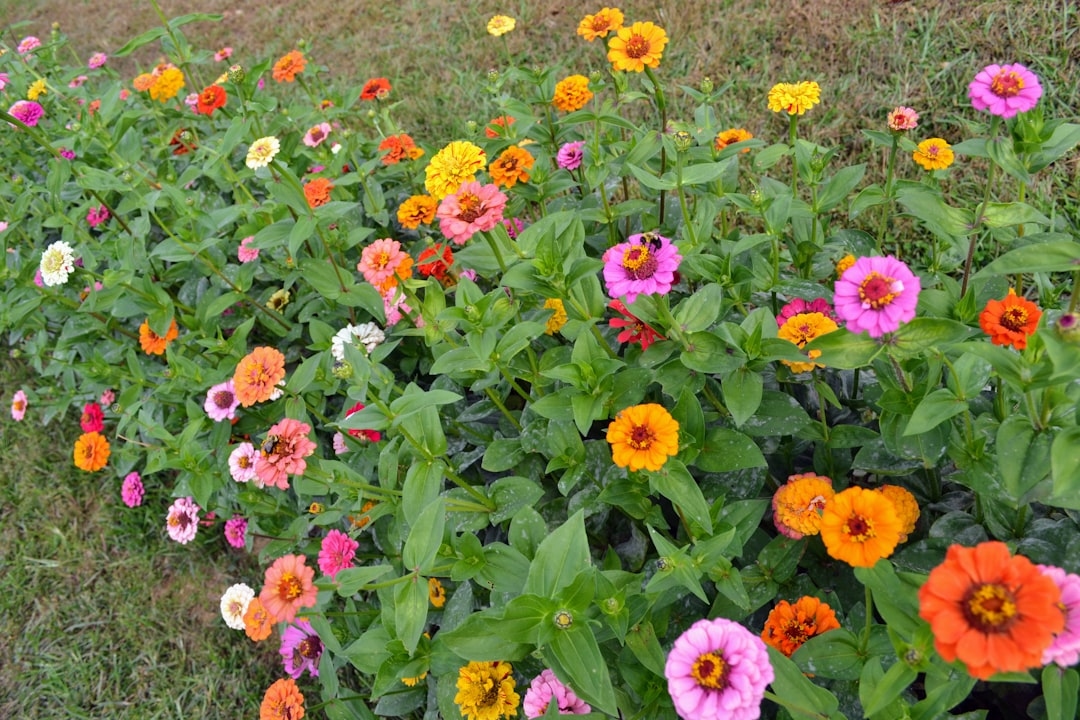
Zinnia, cosmos, and sunflowers top nearly every list of ‘foolproof’ cuts. They grow fast from seed, bloom all summer, and take a beating from summer heat.
- Zinnia: Germinates in 7-10 days, blooms in eight weeks, and the more you cut, the more they bloom. The ‘Benary’s Giant’ mix ($4.99/packet, Floret or Johnny’s Selected Seeds) is the gold standard.
- Sunflower: Direct-sow in May for blooms by July. Choose branching varieties like ‘ProCut Plum’ for nonstop stems.
- Cosmos: Lacy, feathery foliage; non-stop pastel blooms, great filler.
- Snapdragon: Start indoors; superb vase life. ‘Rocket’ and ‘Madame Butterfly’ series are best for cuts.
- Dahlia: Plant tubers after last frost. ‘Cafe au Lait’ and ‘Cornel Bronze’ are bestsellers for their big, dramatic heads.
- Sweet peas: Need early spring sowing and a trellis. ‘North Shore’ varieties breed for US climates.
- Marigold: Pest-busting, hardy, cheery bouquets. Try ‘Giant Orange’ African types.
- Black-eyed Susan: Drought-tolerant, gold-bronze daisy blooms, great for wildflower-style bunches.
Pro tip: The Flower Farmer’s Almanac lists zinnia and cosmos as “the two most productive annuals per square foot” for American home gardens in 2026.
Simple Seed Starting
Most annuals (zinnia, cosmos, sunflowers, marigold) can be sown directly after frost. Snapdragons and sweet peas do better started indoors in biodegradable pots. A $35 seed-starting kit with heat mat and grow light (e.g., from Gardener’s Supply Company) can change your germination game, especially in northern states.
How to Grow: Step-by-Step from Last Frost to First Bouquet
Preparing Your Bed
- Clear weeds, loosen the soil to 8-12 inches. Add a 2-inch layer of compost.
- Lay out your rows: Use string or a stick to mark straight lines.
- Spacing: Don’t crowd! Zinnias and cosmos: 9-12 inches apart. Dahlias: 18-24 inches.
Planting Timeline (for Most US Zones)
Late March-April: Start snapdragon, sweet pea indoors
Late April-May: Direct-sow zinnia, sunflowers, cosmos, marigold, rudbeckia after the last frost
Mid-May: Set out dahlia tubers after soil is 60°F+
Supporting and Feeding
- Stake or corral tall plants (sunflowers, dahlias, sweet peas) early.
- Water deeply once a week, more often in heatwaves.
- Apply a slow-release flower fertilizer at planting, then again midseason (Miracle-Gro Bloom Booster, $10-$12 per box, is a US favorite).
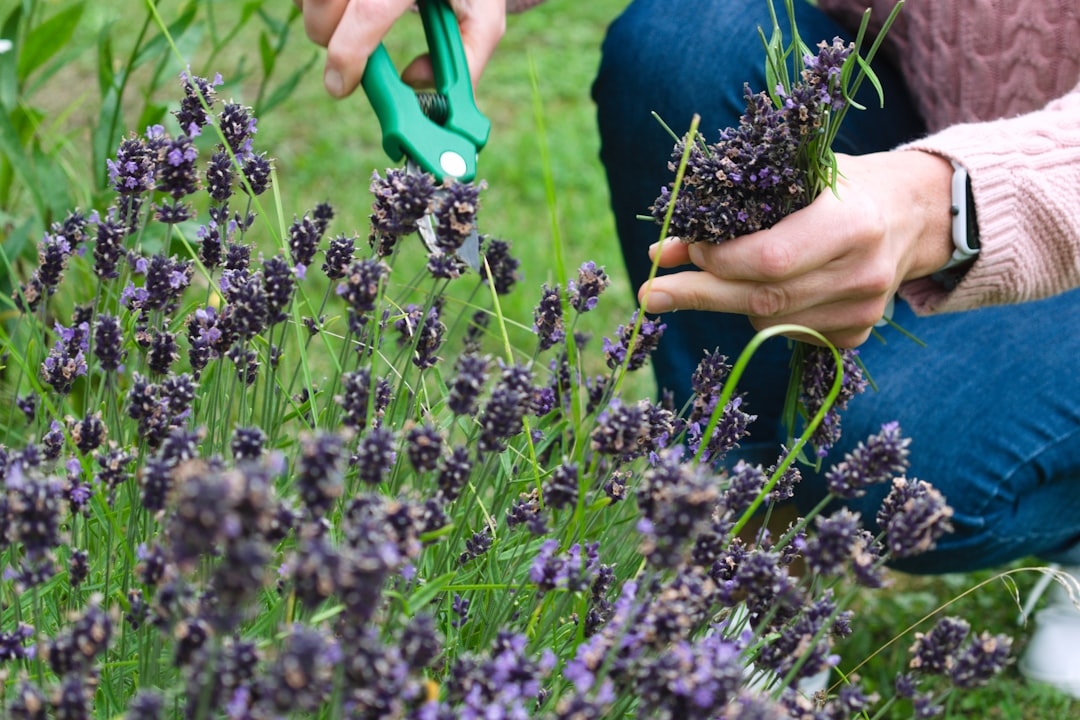
Harvesting for Longest Vase Life
- Morning cut: Flowers are most hydrated.
- Clean snips: Use sharp, sterilized shears.
- Strip lower foliage: Prevents rot in vases.
- Change water every 2 days: Extends vase life by 3-5 days (per research at NC State University).
Common Beginner Mistakes (and How to Dodge Them)
- Overcrowding: Too many plants = mildew and smaller blooms. Less is more!
- Neglecting deadheading: Faded blooms zap plant energy. Snip often.
- No support system: Wind will take out those tall sunflowers and dahlias if left floppy.
- Ignoring succession sowing: For non-stop blooms, sow zinnia, cosmos, and sunflowers every 2-3 weeks until mid-summer.
- Skipping the soil check: Plants growing slow? Check for drainage or compaction.
Pull-Quote
“The biggest beginner mistake is planting everything at once, then having only one or two big bloom flushes. Stagger those seedings!”
– Carla Mendoza, AIFD
Pricing, Budget & Flower Value: What to Expect in 2026
A single homegrown bouquet (10-12 stems) picked from your own plot would cost $25-$40 for a similar arrangement from Teleflora or UrbanStems in 2026. Investing $100 in seeds, soil, and tools can yield 20+ bouquets through summer–that’s $500-$800 in value.
Basic Year-One Costs (US Market, 2026)
| Item | Estimated Cost (USD) |
|---|---|
| Seeds (8 varieties) | $30-$40 |
| Compost & Fertilizer | $20-$35 |
| Beginner Tools | $25-$40 |
| Optional: Seed Tray Kit | $30-$50 |
| Stakes/Trellis | $10-$20 |
| Total | $85-$180 |
Troubleshooting: Pests, Weather, and Other Surprises
- Japanese beetles: Pick off early, or sprinkle Diatomaceous Earth ($11/lb at Lowe’s).
- Aphids: Rinse with water or introduce ladybugs (available from Arbico Organics, $15 for 1,500).
- Powdery mildew (zinnia, snapdragon): Avoid overhead watering, increase spacing, remove infected leaves.
- Extreme heat: Mulch and water deeply. Shade cloth (30% block, $22/pack) can help during July/August heatwaves common in much of the US.
Frequently Asked Questions
What is the easiest cutting flower to grow for beginners?
Zinnia is widely considered the easiest entry flower–direct-sow, fast-growing, heat-tolerant, and blooms through frost.
When do I plant seeds for a cutting garden in the US?
Most annual cutting flowers are started indoors 6-8 weeks before the last frost or sown outdoors after the risk of frost has passed–typically between late March and late May, depending on your USDA zone.
How many flowers can I expect from a small cutting garden?
From a 4×8 ft bed, expect 100-150 stems of various types over the season if you harvest and deadhead regularly.
What flowers will bloom the longest in a beginner’s cutting garden?
Zinnia, cosmos, and black-eyed Susan can bloom for 2-5 months with regular cutting and deadheading.
Can I grow a cutting garden in containers or a small space?
Absolutely. Zinnia, cosmos, marigolds, snapdragons, and mini dahlias thrive in large pots (12″+ wide and deep) with regular feeding and watering.
Ready for your first armful of homegrown flowers? Mark your calendar for seed-starting, clear a sunny patch, and pick up your first packet of zinnias. You’ll be snipping your own stems before you know it–and inspiring the next wave of American backyard florists.