







Contents:
- Quick Answer: The Real Number of Anemone Varieties
- What Are Anemones? Understanding the Flower Behind the Name
- How Botanists Define Varieties: Species, Hybrids, and Cultivars
- Major Anemone Species Available in the US Floral Trade
- Cultivated Varieties: How Many Anemone Types Can You Buy?
- Garden Centers and Florists
- Buyer’s List: Top 5 Anemone Cultivars in the US (2026)
- Why So Many Varieties? The Story Behind Anemone Diversity
- Natural Variation
- Human Breeding and Selection
- Comparing Popular Anemone Groups
- Anemones in Floristry: Why Designers Love Them
- The Future of Anemone Varieties: What’s Ahead?
- FAQ: Anemones & Their Diversity
- How many anemone species are there?
- What’s the difference between an anemone species and a cultivar?
- Which anemone varieties are best for cut flowers?
- Are all anemones perennial in the US?
- Where can I buy unusual anemone varieties?
How Many Varieties of Anemones Actually Exist?
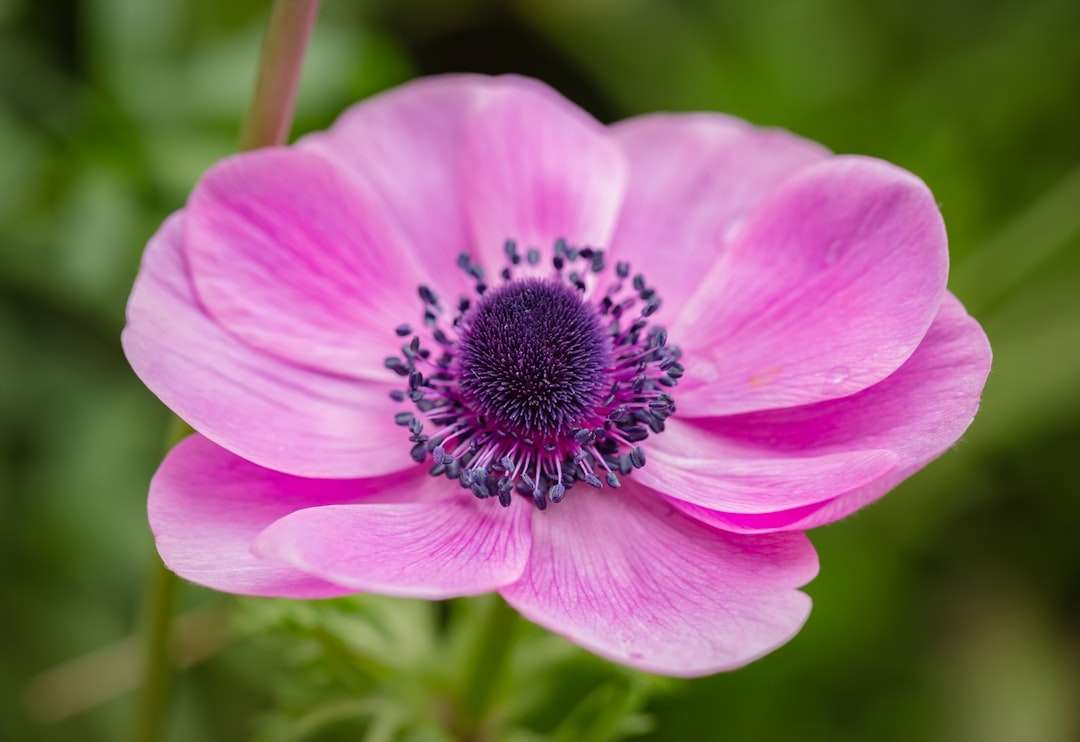
Walk into any flower shop from Brooklyn to Santa Monica in spring, and those vivid, poppy-like blooms blushing in glass vases? Most likely anemones–one of nature’s most versatile statement-makers. From pure white “windflowers” to magenta beauties that take center stage in Instagram bouquets, anemones have quietly become a floral designer’s secret weapon. But exactly how many varieties are out there? The answer might surprise even the most ardent flower fan.
Quick Answer: The Real Number of Anemone Varieties
As of 2026, there are about 120 distinct anemone species recognized worldwide, with hundreds of cultivated varieties and hybrids available in the US floral market.
That means if you spot an anemone centerpiece at a wedding, it could be one of more than a hundred natural species–or one of hundreds more cultivars, bred for everything from longer vase life to jaw-dropping color.
What Are Anemones? Understanding the Flower Behind the Name
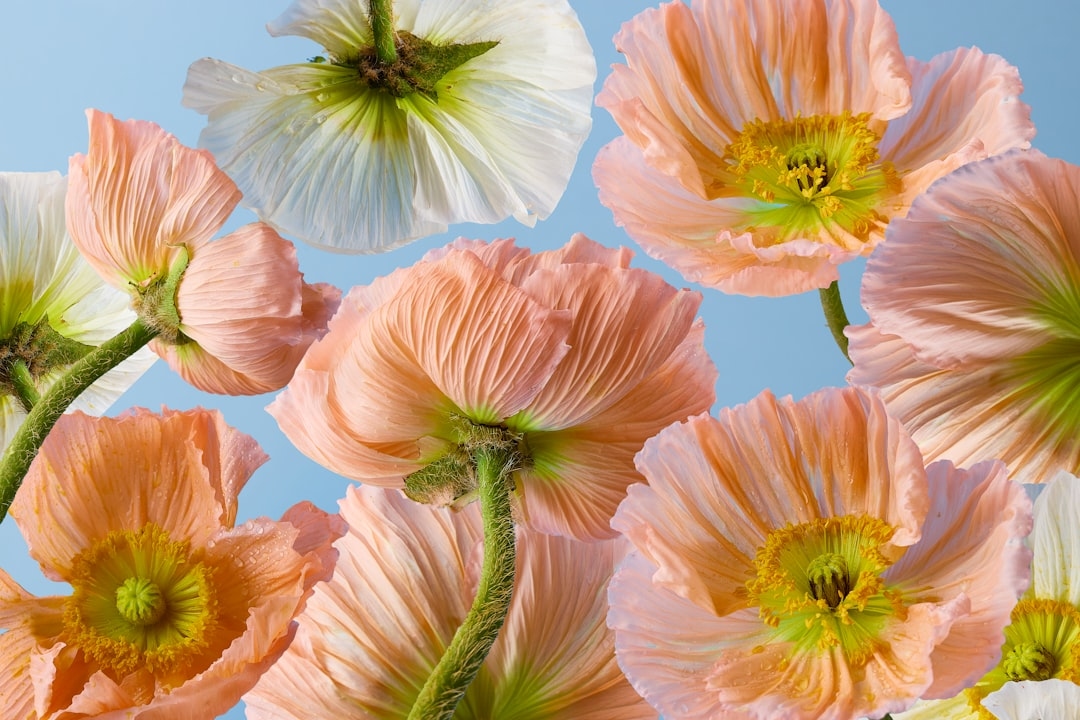
Anemones, sometimes called “windflowers,” belong to the Ranunculaceae (buttercup) family–sharing distant kinship with favorites like ranunculus and clematis. Botanically, the genus Anemone is complex, with some disagreement among taxonomists about where to draw the lines between species and hybrids.
Key features:
- Simple, cup-shaped petals (usually 5-8 per bloom)
- Central tuft of prominent stamens
- Colors: white, red, pink, purple, blue, and even near-black
- Bloom times: Spring and fall, depending on variety
Florists love anemones for their bold, graphic look–especially sought after in wedding bouquets. “Few flowers have the modern vibe and color punch of anemones,” says Maxine Lindsay, lead designer at Chicago’s Fleur Collective, “especially varieties like ‘Mistral Magenta’ and ‘Panda’.”
How Botanists Define Varieties: Species, Hybrids, and Cultivars
Before counting, it’s worth clarifying some terms:
- Species: Naturally occurring, genetically distinct populations (e.g., Anemone coronaria).
- Hybrid: Crosses between species (either naturally or by breeders).
- Cultivar: Cultivated variety, selected for traits like color or stem strength (e.g., ‘Mistral Blu’).
Today, the Kew Plant List recognizes about 120-130 anemone species globally. Within those, hundreds of cultivars are registered by plant societies and commercial growers.
Major Anemone Species Available in the US Floral Trade
| Species Name | Common Name | Flowering Period | Typical Colors | Grown For |
|---|---|---|---|---|
| Anemone coronaria | Poppy Anemone | Spring | Red, blue, white, purple | Cut flowers, gardens |
| Anemone hupehensis | Japanese Anemone | Late summer-fall | White, pink | Perennials, landscapes |
| Anemone nemorosa | Wood Anemone | Early spring | White, blue, pink | Wildflower gardens |
| Anemone blanda | Grecian Windflower | Early spring | Blue, pink, white | Naturalizing lawns |
“By far, Anemone coronaria and its hybrids dominate US flower shops and event work,” notes Dr. Jennifer Rios, plant geneticist and supply-chain expert. “But home gardeners increasingly seek out fall-blooming species like A. hupehensis for late-season color.”
Cultivated Varieties: How Many Anemone Types Can You Buy?
Garden Centers and Florists
Walk into a US garden center like Lowe’s or shop online in spring 2026, and you’ll find bulbs or cut flowers labeled:
- De Caen hybrids (classic single blooms)
- St. Brigid hybrids (frilly, double-petaled types)
- Mistral and Panda series (popular in event floristry for saturated colors and reliable stems)
In the cut-flower trade, breeders in Israel, Italy, and Japan now offer over 200 commercial cultivars–each with unique petal shapes, colors, or growth habits.
Buyer’s List: Top 5 Anemone Cultivars in the US (2026)
- ‘Mistral Magenta’ – Deep magenta, robust stems
- ‘Panda’ – White petals, jet-black centers (Instagram favorite)
- ‘The Governor’ – Classic red with dark center
- ‘Sylphide’ – Vibrant hot pink
- ‘Mount Everest’ – Elegant double white blooms
Cut anemone prices range from $2-$5 per stem at local florists (2026 pricing), with premium varieties used in celebrity weddings often fetching higher.
Why So Many Varieties? The Story Behind Anemone Diversity
Natural Variation
Anemones originated across Europe, Asia, and North America. Isolation in different climates and soils led to countless regional species. For instance, Anemone canadensis is native to American woodlands, while A. blanda hails from the Balkans.
Human Breeding and Selection
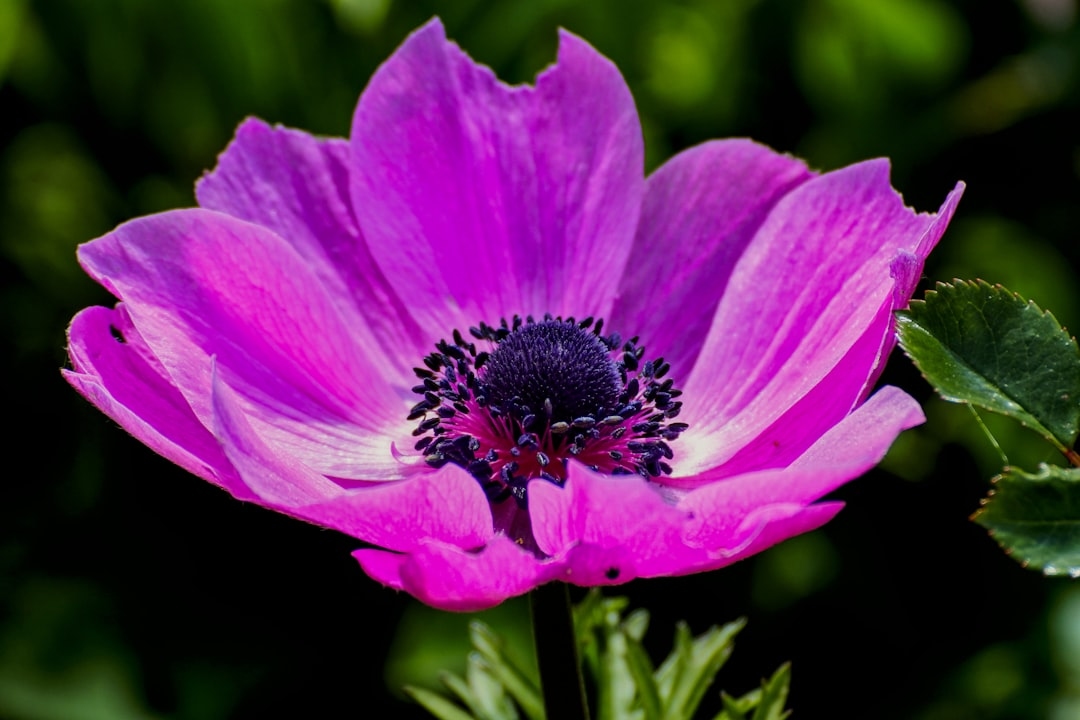
Since the Victorian era, breeders have crossed species for color, size, and bloom shape. Today’s commercial cultivars often begin as a field of seedlings in Italy or Israel; the strongest, most colorful, or longest-lasting get named and propagated.
“Every year, we trial at least 20 new anemone lines,” says Luca Rossi, head grower at US distributor BloomGen. “Only three or four make the cut for large-scale production.”
Comparing Popular Anemone Groups
| Group | Features | Bloom Time | Best Use |
|---|---|---|---|
| De Caen | Single flowers, vivid colors | Spring | Cut flowers |
| St. Brigid | Double, ruffled blooms | Spring | Borders, bouquets |
| Japanese Anemone | Tall, elegant, late-season perennials | Fall | Landscapes |
| Wild North American | Smaller, woodland species | Spring-early summer | Native gardens |
Anemones in Floristry: Why Designers Love Them
In the US, anemones have jumped from niche to must-have wedding flower within a decade. Their black-eyed look photographs dramatically and pairs well with peonies, ranunculus, and roses.
Florists like Los Angeles-based Sarah Nguyen (Petal & Pastel) note that, “Anemones are incredibly versatile–clients love them for modern bouquets, garden-style centerpieces, or even pressed-flower art. The only challenge? They’re sensitive, so hydration is key. The huge variety means there’s an anemone for almost any style.”
The Future of Anemone Varieties: What’s Ahead?
Plant breeders continue to push the boundaries. According to the National Garden Bureau, US importers expect at least a dozen new anemone cultivars debuting for 2027, including more pastel, almost metallic shades and improved vase life.
Greenhouse growers are also experimenting with:
- Disease-resistant hybrids (less prone to powdery mildew)
- Longer stems for large format floral installations
- Novel colors (think: golden yellow and teal-tinged blues)
The variety count is almost certain to keep rising–making anemones a flower world mainstay.
FAQ: Anemones & Their Diversity
How many anemone species are there?
There are approximately 120-130 recognized anemone species worldwide as of 2026, though new classifications occasionally change this number.
What’s the difference between an anemone species and a cultivar?
A species is a naturally occurring plant population. A cultivar is a cultivated variety, selected and bred by humans for specific traits like color, petal shape, or stem strength.
Which anemone varieties are best for cut flowers?
Anemone coronaria and its hybrids–especially De Caen and Mistral series–are top picks for US florists due to their vivid colors and long stems.
Are all anemones perennial in the US?
Most species are perennials, but some–like A. coronaria–may behave as annuals in colder regions. In USDA Zones 7-10, they typically return each year with proper care.
Where can I buy unusual anemone varieties?
Specialty US bulb suppliers like Brent & Becky’s Bulbs and online flower delivery services such as Farmgirl Flowers offer unique cultivars seasonally.
Tired of seeing the same flowers in every bouquet? Next time you’re at your neighborhood florist or browsing for garden bulbs, ask about new or unusual anemone varieties. With breeders unveiling bold colors and surprising shapes every year, there’s always a fresh twist on these timeless “windflowers” waiting to brighten your table–or your garden plot–in 2026 and beyond.