







Contents:
- What Are the Top Uses for Violet Flowers?
- The History of Violets in American Kitchens and Gardens
- Eating Violets: Safety, Sourcing, and Flavor
- How Do Violet Flowers Taste?
- How to Harvest or Buy Edible Violets
- Top 5 Violet Flower Recipes (and How to Make Them)
- Candied Violets
- Violet Syrup
- Violet Jelly
- Violet Sugar
- Violet Tea
- Beyond the Kitchen: Violet in Herbal Remedies and Skincare
- Violet-Infused Oil
- Violet Tincture
- Home Décor and Floristry: Violets in Arrangements
- The Language of Flowers: Symbolism and Occasions
- FAQ: Violets in Cooking and Floristry (2026)
- Are all violet flowers edible?
- Can I use grocery store violets in recipes?
- What does violet flower taste like?
- How do you preserve violet flowers for later use?
- Where can I buy edible violets online in the US?
Violet Flower Recipes and Uses: Unexpected Delights from a Classic Bloom
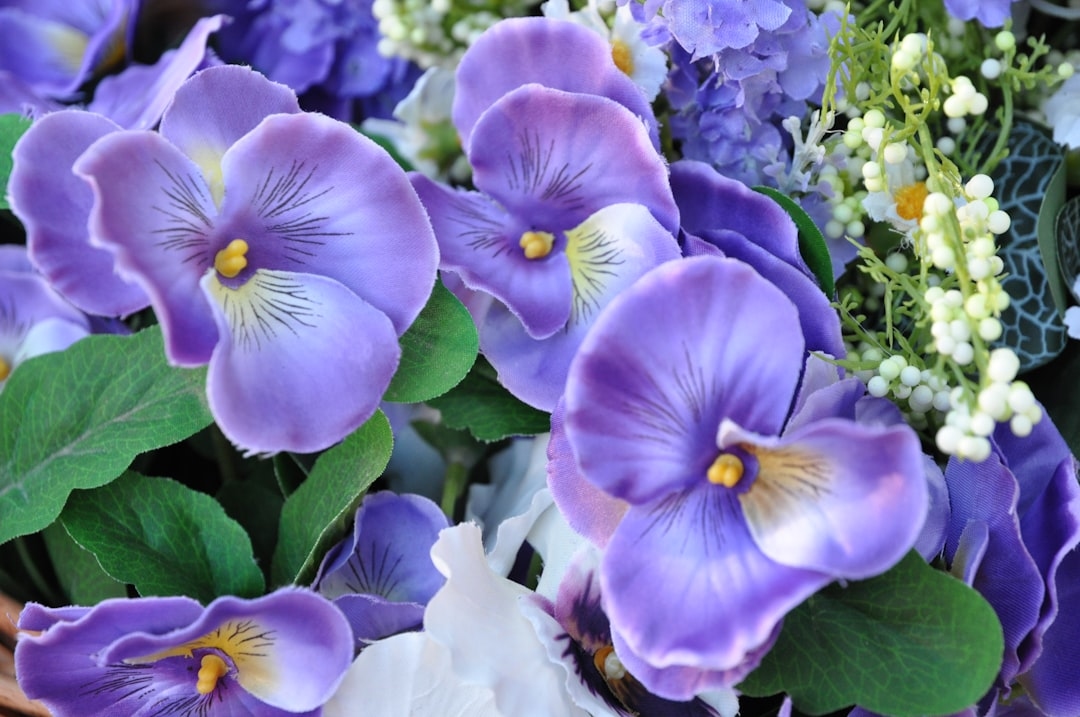
Picture a cluster of wild violets tucked into a mossy lawn, or a jar of homemade violet syrup catching sunlight on your windowsill. While roses and peonies get star billing in bouquets, violet flowers (Viola odorata, Viola sororia, and their cousins) have quietly flavored, scented, and decorated American homes and kitchens for centuries. Beyond their heart-shaped leaves and eye-catching purple petals, violets are entirely edible and surprisingly versatile – showing up in everything from cocktails to skincare, desserts to healing tinctures.
What Are the Top Uses for Violet Flowers?
Edible violets are prized for both their gentle floral flavor and their vivid color. In the US, their main uses include:
- Culinary decoration: Candied violets, garnishes for cakes, salads, and drinks
- Baking and confections: Violet syrups, jellies, and flavored sugars
- Herbal remedies: Teas, tinctures, and cough syrups (for soothing sore throats)
- Aromatherapy and perfumery: Violet-infused oils and balms
- Bath and skincare: Violet-infused oils and lotions for sensitive skin
Not all violets are edible – African violets (Saintpaulia) are not safe to eat. For recipes, use wild violets (Viola odorata, Viola sororia, Viola tricolor) that have not been treated with pesticides.
The History of Violets in American Kitchens and Gardens
Violets aren’t newcomers to the table. According to Dr. Lila Jameson, horticulturist and author of “Heirloom Edibles of North America” (2022), “Victorian American cooks often used candied violets to decorate elaborate cakes and pastries – a tradition borrowed from Europe but given distinctly American flair.” By 1920, major US seed catalogs listed several violet varieties, marketed as both ornamental and culinary plants.
Today, violets show up in modern American farm-to-table restaurants, farmers markets, and – increasingly – home kitchens. Chef Mia Porter of Seattle’s Bloom & Brine notes that “Violet syrup and candied violets add instant nostalgia and color to everything from lemonades to shortbread. They’re little reminders of childhood summers.”
Eating Violets: Safety, Sourcing, and Flavor
While violets are edible, not all purple flowers are safe – so double-check before snipping from your backyard. Only species in the Viola genus (such as wild blue violet, common wood violet, and sweet violet) are recommended for eating.
How Do Violet Flowers Taste?
Most wild violets have a mild, slightly sweet, grassy flavor. Their aroma is subtle, with just a hint of that elusive “violet” scent used in perfumes.
How to Harvest or Buy Edible Violets
- Foraging: Pick fresh, fully opened blooms from pesticide-free areas (never from lawns treated with chemicals).
- Farmers markets: In spring, look for edible flowers at your local market. Expect to pay $6-$12 per small clamshell (2026 pricing).
- Online retailers: US-based options like Gourmet Sweet Botanicals and Marx Foods ship edible violets nationwide.
- Florists: Some boutique florists offer seasonal edible flower boxes; always confirm the species and growing conditions.
“Violets are delicate. For best flavor and color, use them within 24 hours of picking,” advises florist and edible flower expert Theresa Ng, AIFD, of San Francisco.
Top 5 Violet Flower Recipes (and How to Make Them)
1. Candied Violets
A classic for decorating cakes and chocolates.
Ingredients:
- Fresh violets
- 1 egg white (pasteurized)
- Fine granulated sugar
Instructions:
- Gently clean the violets with a soft brush; pat dry.
- Whisk egg white until frothy. Using a small paintbrush, coat each petal lightly.
- Sprinkle sugar to coat, shake off excess.
- Dry on parchment for 24-48 hours.
Uses: Wedding cakes, cupcakes, chocolates, and petit fours.
2. Violet Syrup
Perfect for cocktails, lemonade, or as a pancake topping. The color is a stunning blue-purple that changes with acidity.
Ingredients:
- 1 cup fresh violet petals
- 1 cup boiling water
- 1 cup sugar
- 1 teaspoon lemon juice
Instructions:
- Pour boiling water over petals; let steep 24 hours.
- Strain out petals. Add sugar and gently heat until dissolved.
- Add lemon juice (watch the color shift!).
- Bottle and refrigerate. Keeps up to 6 months.
Average retail price: $12-$18 for a 6 oz. bottle (2026).
3. Violet Jelly
A spring staple in parts of the Midwest and Appalachia.
Ingredients:
- 2 cups violet petals
- 2 cups boiling water
- 1/4 cup lemon juice
- 4 cups sugar
- 1 package (1.75 oz) powdered pectin
Instructions:
- Steep petals in boiling water overnight.
- Strain; combine violet “tea” with lemon juice and pectin in a large pot.
- Bring to boil; add sugar; boil hard 1 minute.
- Pour into jars and process for shelf stability.
Flavor: Sweet, floral, faintly herbal. Delicious on toast or with goat cheese.
4. Violet Sugar
A simple way to add spring to baking year-round.
Instructions:
- Blitz 1/4 cup fresh violet petals with 1 cup sugar in a food processor.
- Spread out to dry; store airtight.
Sprinkle on muffins, sugar cookies, or use to rim cocktail glasses.
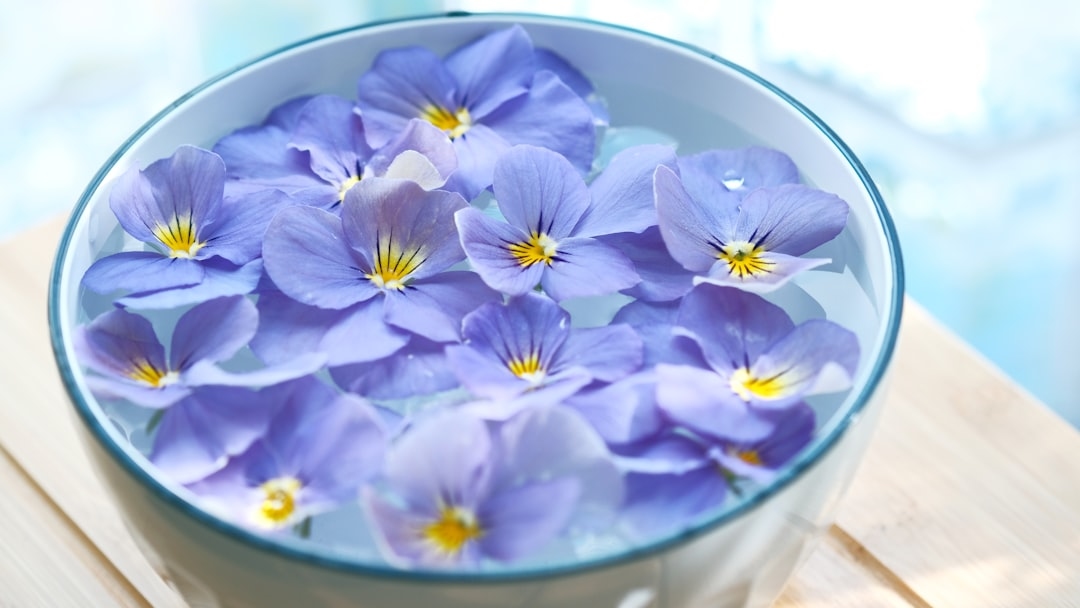
5. Violet Tea
Mildly floral and soothing for sore throats.
Instructions:
- Steep 1-2 teaspoons fresh or dried petals in hot water for 5-7 minutes.
Note: According to the American Herbalists Guild, violet tea contains trace mucilage, which can help coat and soothe irritated throats (2026).
Beyond the Kitchen: Violet in Herbal Remedies and Skincare
Historically, violets were more than pretty faces. Native American and early European settlers used violet leaf poultices for minor wounds. Today, herbalists recommend violet leaf and flower for gentle skin care, especially for eczema and dry, sensitive skin.
Violet-Infused Oil
Infuse dried violet flowers or leaves in a jar of sweet almond oil for 2-3 weeks; strain and use in soothing lotions or bath oils.
Violet Tincture
For respiratory support, steep fresh flowers in high-proof grain alcohol for 4-6 weeks; strain. Use 10-20 drops diluted as needed.
Dr. Alana Nichols, RH (AHG), notes: “Violet’s anti-inflammatory compounds are gentle enough for children and sensitive adults, making it a staple of American herbal pantries in 2026.”
Home Décor and Floristry: Violets in Arrangements
Violets are small but mighty in floral design. Their delicate stems and short vase life mean they shine best in:
- Tussie-mussie bouquets (Victorian style)
- Spring table centerpieces, mixed with daffodils, muscari, or pansies
- Boutonnières and corsages
Price Point Comparison (US, 2026)
| Violet Bunch (30-40 stems) | Standard Roses (12 stems) | Ranunculus (10 stems) |
|---|---|---|
| $8-$12 | $25-$40 | $14-$18 |
Pro tip: For DIY bouquets, keep violets’ stems in shallow water and arrange just before your event – their freshness window is only 1-2 days.
The Language of Flowers: Symbolism and Occasions
Violets aren’t just edible – they’ve long stood for modesty, faithfulness, and affection. In the US, purple violets are official state flowers for Illinois, Wisconsin, Rhode Island, and New Jersey.
- Wedding symbolism: Loyalty, enduring love
- Sympathy arrangements: Remembrance and humility
- Gifting: Potted violets for birthdays, thank-yous, and “thinking of you” bouquets
A favorite among romantics and poets, violets bring old-fashioned charm to any celebration.
FAQ: Violets in Cooking and Floristry (2026)
Are all violet flowers edible?
No. Only wild violets (Viola species) are edible. African violets (Saintpaulia) and ornamental hybrids are not safe to eat. Always confirm your plant’s genus before consuming.
Can I use grocery store violets in recipes?
Usually not. Most grocery store violets are grown as ornamentals and may be treated with chemicals. For edible uses, buy from a trusted source or grow your own pesticide-free plants.
What does violet flower taste like?
Violets have a subtle, slightly grassy, floral-sweet flavor with no bitterness. The taste is gentle and blends easily with other spring flavors like lemon and honey.
How do you preserve violet flowers for later use?
You can candy them, dry them for tea or infusions, or freeze the petals in ice cubes. Dried violets lose some color but retain most flavor for up to a year.
Where can I buy edible violets online in the US?
In 2026, reputable sites include Gourmet Sweet Botanicals, Marx Foods, and local flower CSA programs. Prices vary by season ($7-$14 per box). Always confirm edibility and freshness.
Scatter some violet petals on your next salad, or infuse their color into homemade syrup – and see how these tiny blooms surprise you. With their short season and delicate beauty, violets offer the perfect excuse to savor spring in the kitchen, the garden, and beyond. Why not plant a patch this year, or try making your own candied violets for an unforgettable cake? Your senses (and your dinner guests) will thank you.